Chisinau Zoo deploys climate systems to protect animals in heat
Extreme summer temperatures reaching 40°C have forced the Chisinau Zoo to implement emergency mitigation protocols to safeguard its animal population. Management deployed specialized dietary regimens consisting of frozen fruits and vegetables alongside advanced technical cooling infrastructure.
Staff installed specialized air conditioning units and automated water misting systems in the enclosures of species native to colder geographic zones.
Targeted hydrotherapy and habitat management
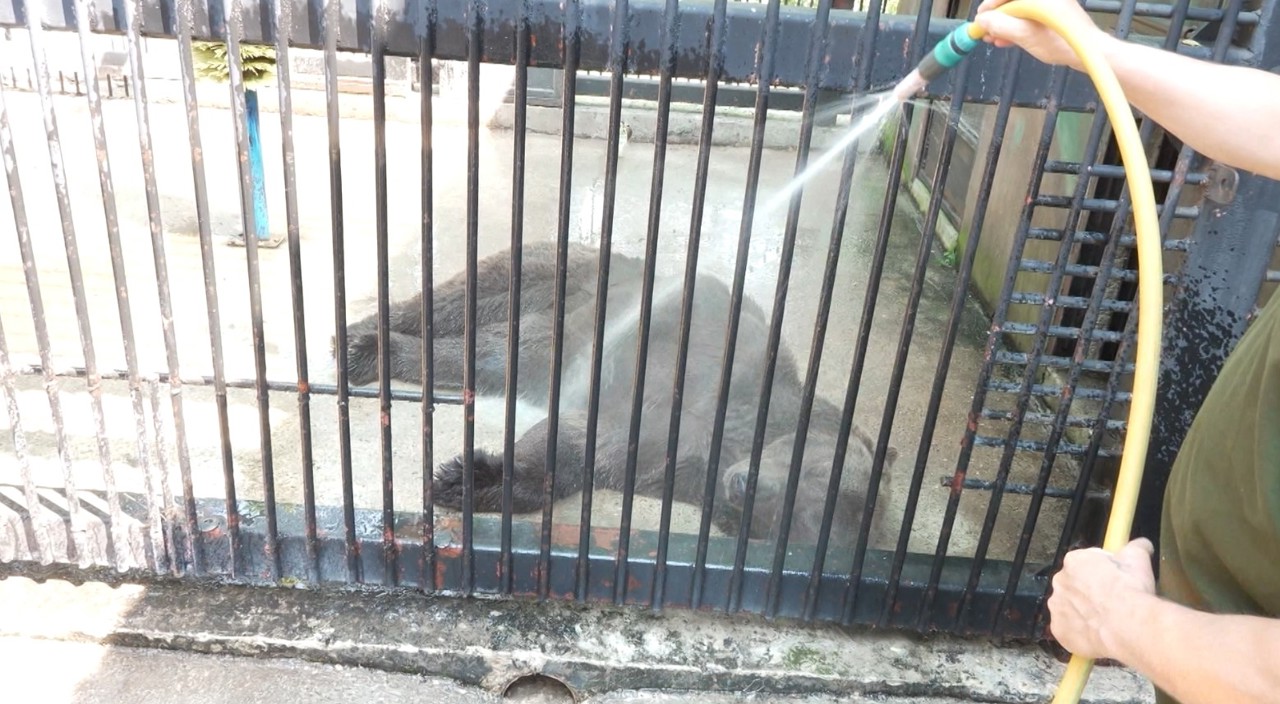
An Eurasian brown bear named Artiom undergoes mandatory hydrotherapy sessions multiple times per day to survive the intense thermal stress. Animals lacking automated cooling infrastructure actively seek natural shade within their compounds.
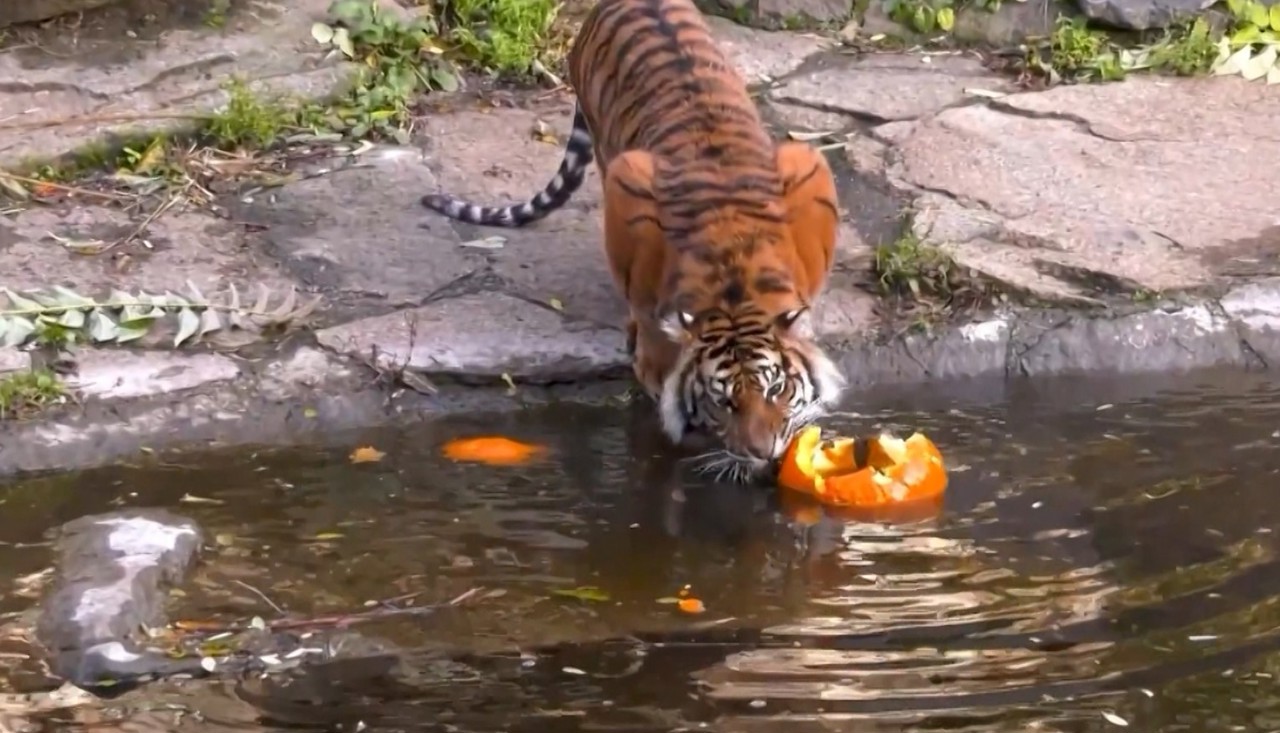
Consequently, visitors to the municipal facility were temporarily unable to view the Siberian tigers and leopards. Zoo officials prioritized animal safety over public viewing by keeping the large felines inside protected inner quarters.
"Our isolated tigress and her parents have dedicated water basins inside their enclosures where they can bathe and cool down," Chisinau Zoo Director Roman Cretu stated. Cretu added that African lions recently relocated to a modernized enclosure enjoy continuous access to deep water reservoirs for hydration and bathing.
Species vulnerability and behavioral adaptations
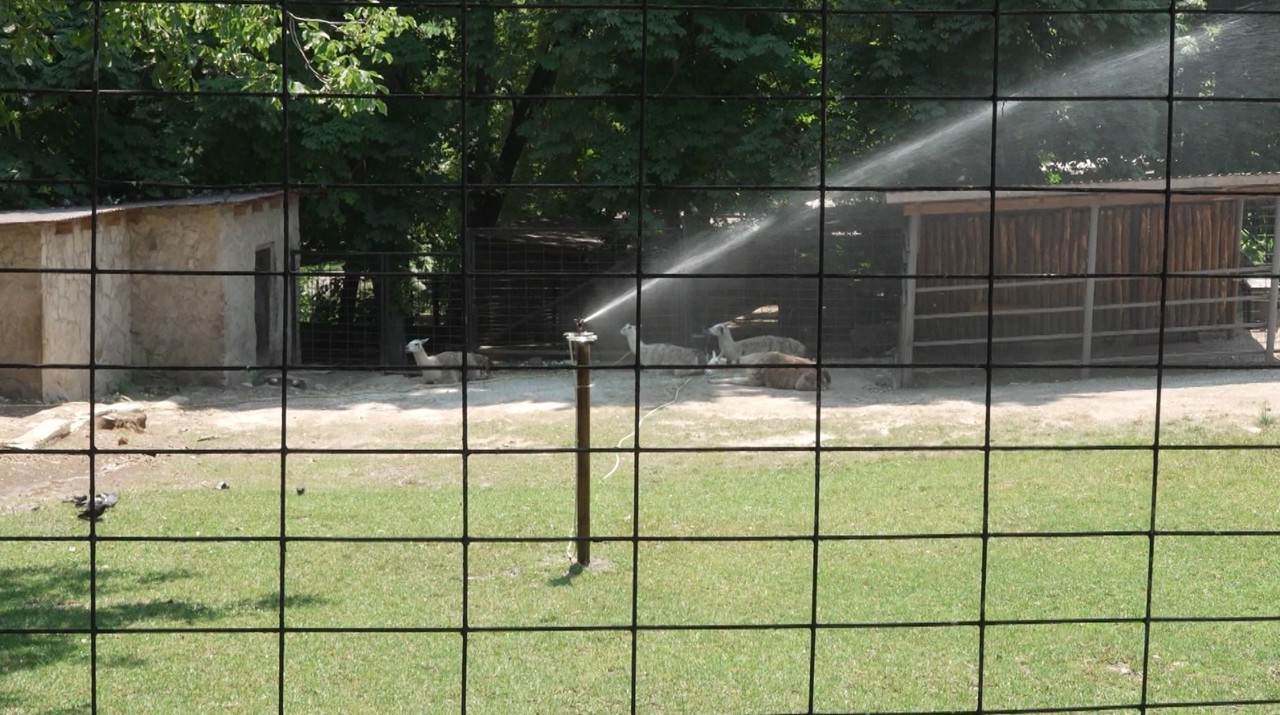
The facility tailored its emergency response to the specific biological needs of each species. Staff deployed continuous water-spraying installations for the llamas, alongside frozen fruit rations to stabilize their internal body temperatures.
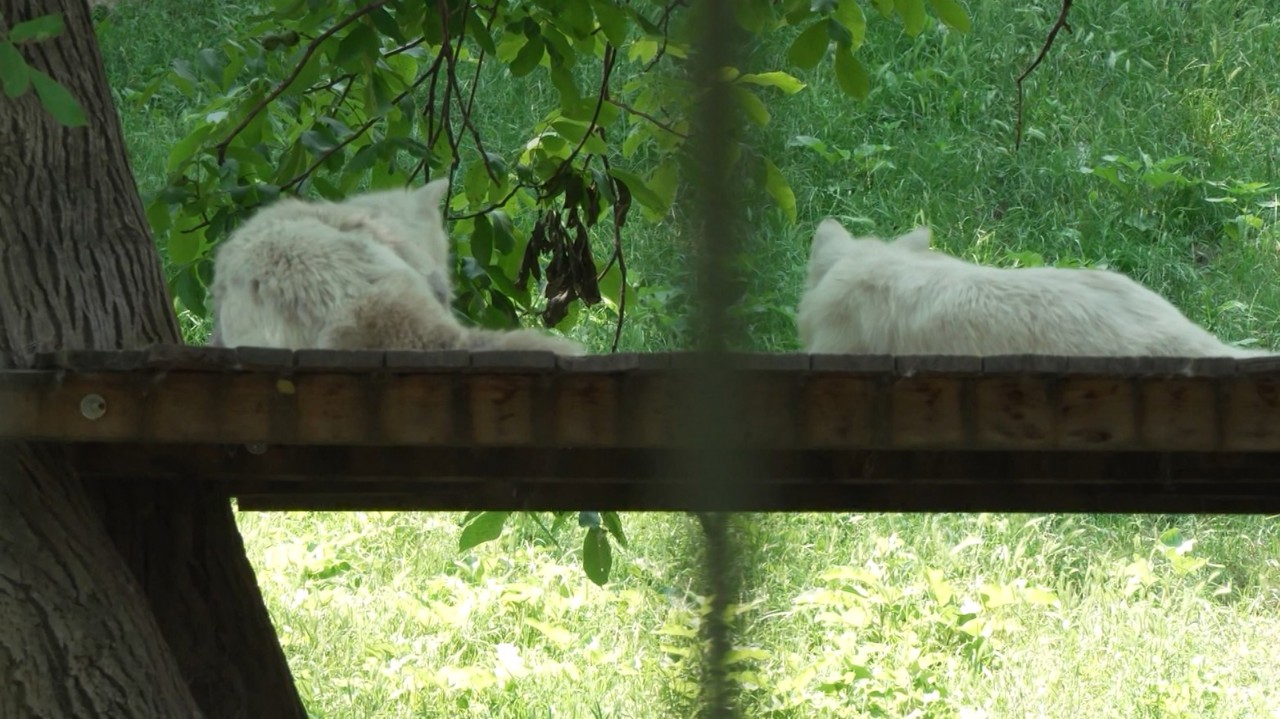
Arctic wolves, originating from polar ecosystems, remain the most vulnerable segment of the zoo population during summer heatwaves.
"We allow the wolves to roam freely, enabling them to excavate natural subterranean dens and sheltered retreats to escape the direct heat," Director Roman Cretu explained. The culinary staff also chills all meat rations and prepares specialized meat-infused sorbets to reduce dietary thermal load.
Conversely, tropical species exhibit positive behavioral responses to the elevated temperatures. Madagascar lemurs and other primates demonstrate optimal comfort levels in the 40°C environment, frequently adopting distinctive meditative postures during extended sunbathing sessions.
Despite their natural heat tolerance, caregivers still provide the primates with frozen fruit delicacies as a preventative wellness measure. The Chisinau Zoo currently hosts nearly 900 animals representing 82 distinct species.
Translation by Iurie Tataru