First Film and History Festival honors Stalinist deportation victims: “Truths should not remain only in books and archives”
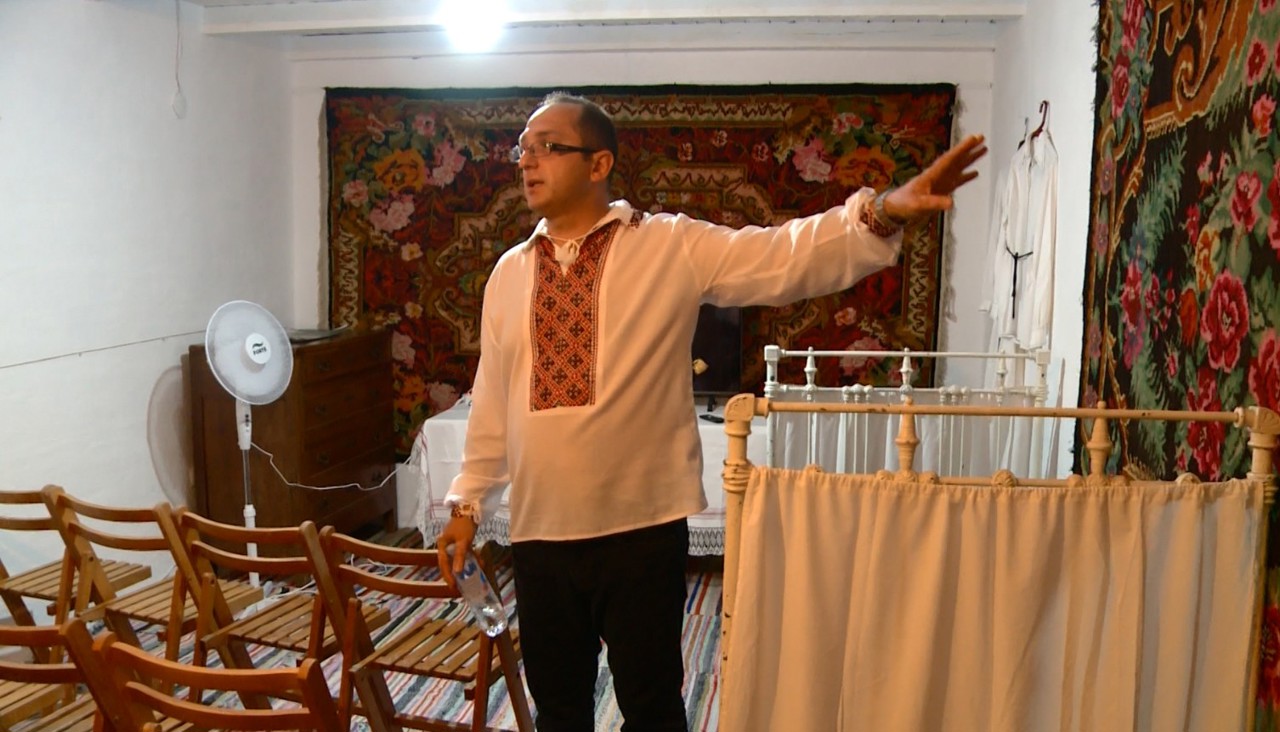
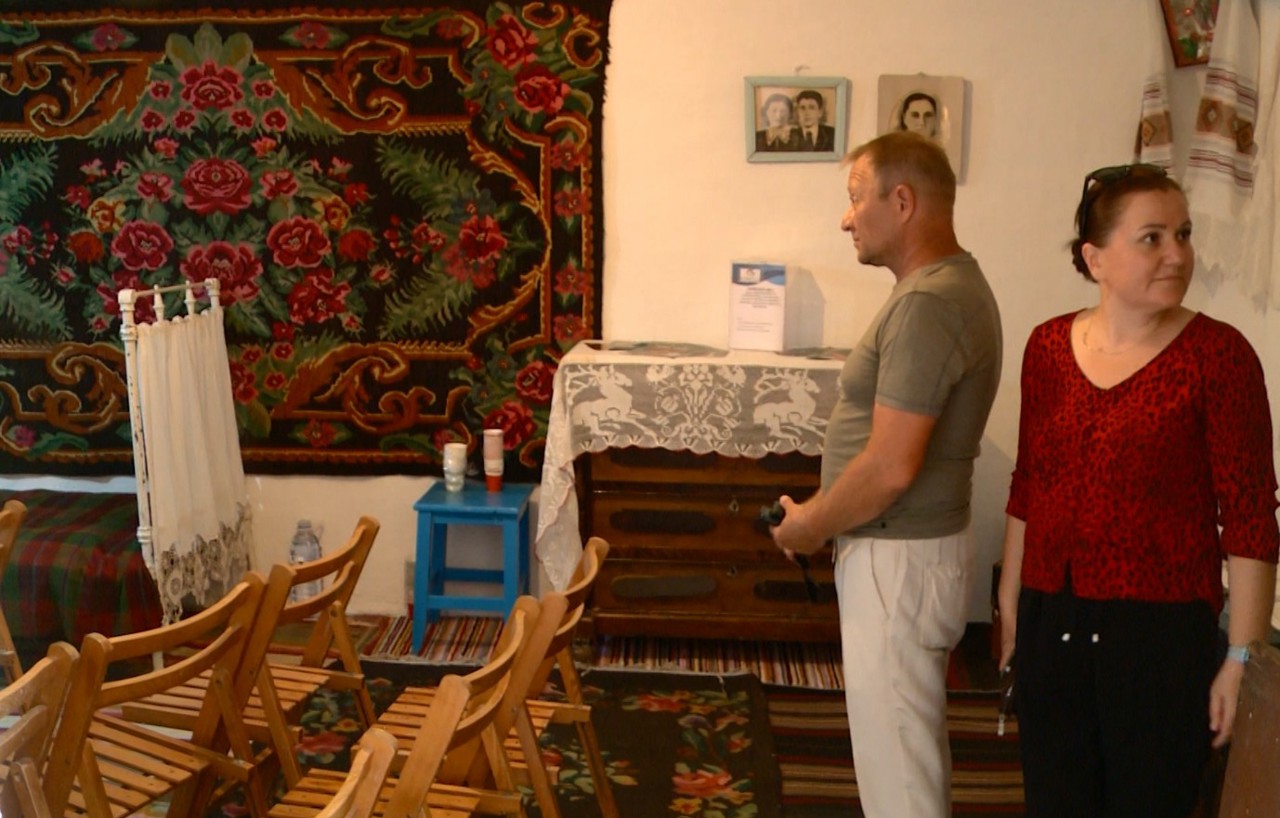
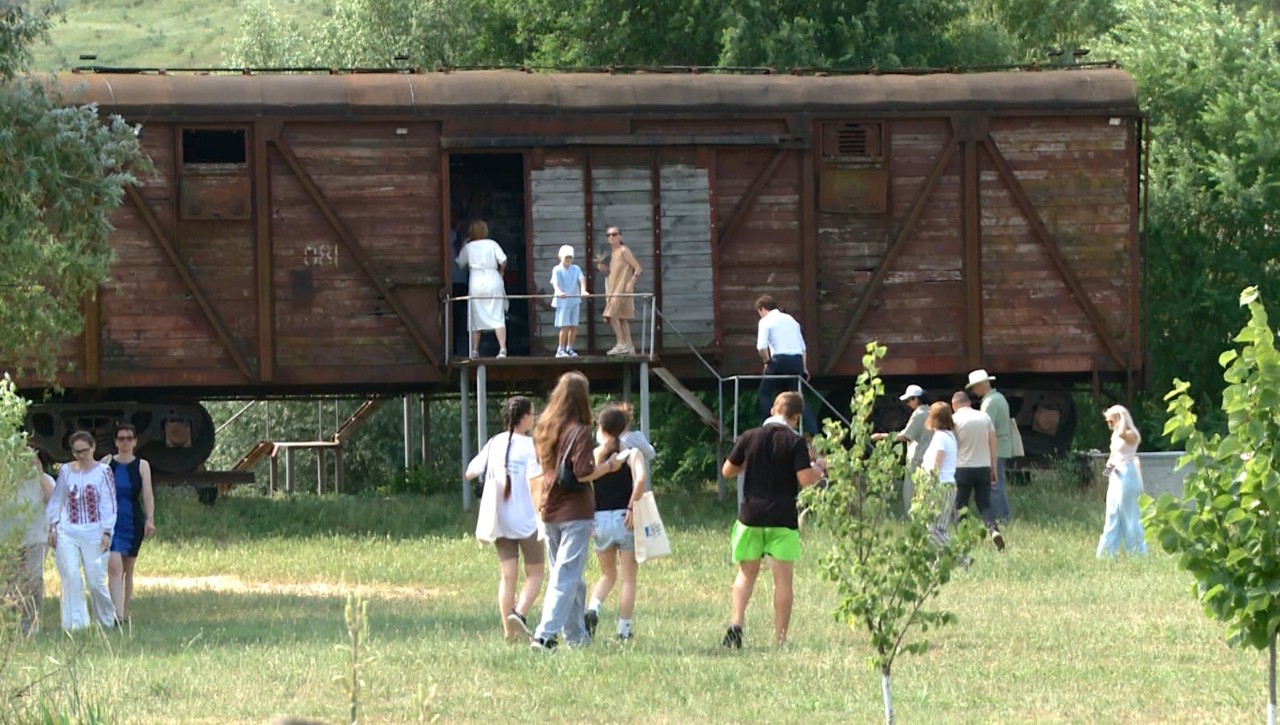
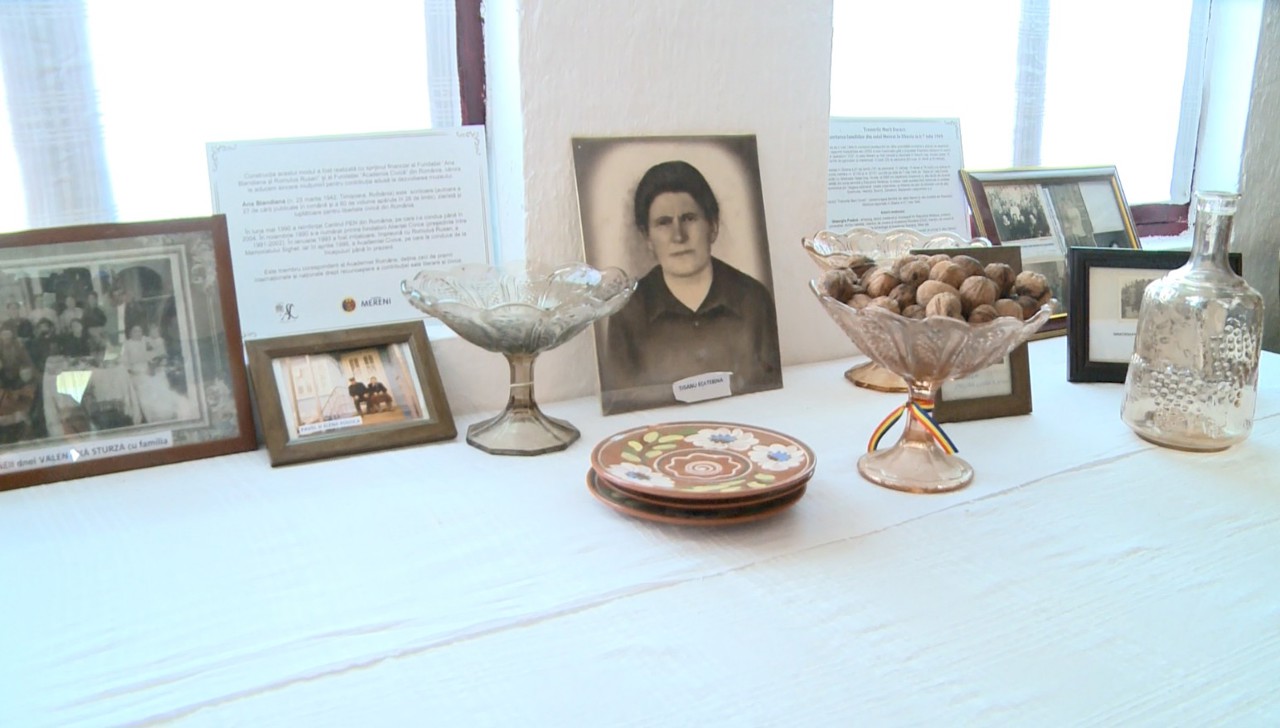
In Mereni, located in the Anenii Noi district, the memory of victims of Stalinist deportations is honored through commemorations, dialogue, and education. This year, the Deportations Museum Complex is hosting the inaugural Film and History Festival, an event dedicated to acknowledging the victims of political repression and conveying historical truths to new generations.
The first film shown at the festival was "Katyn."
The film portrays the 1940 Katyn Massacre, where over 22,000 Polish officers and intellectuals were killed by Soviet troops under Stalin's orders.
“History constitutes 70 to 80 percent of our security. Only those who can identify lies can combat disinformation and keep the memory of the past alive. Historical truths should not be confined to history books and archives,” stated Paulina Baranowska, Deputy Director of the Mieroszewski Centre in Poland.
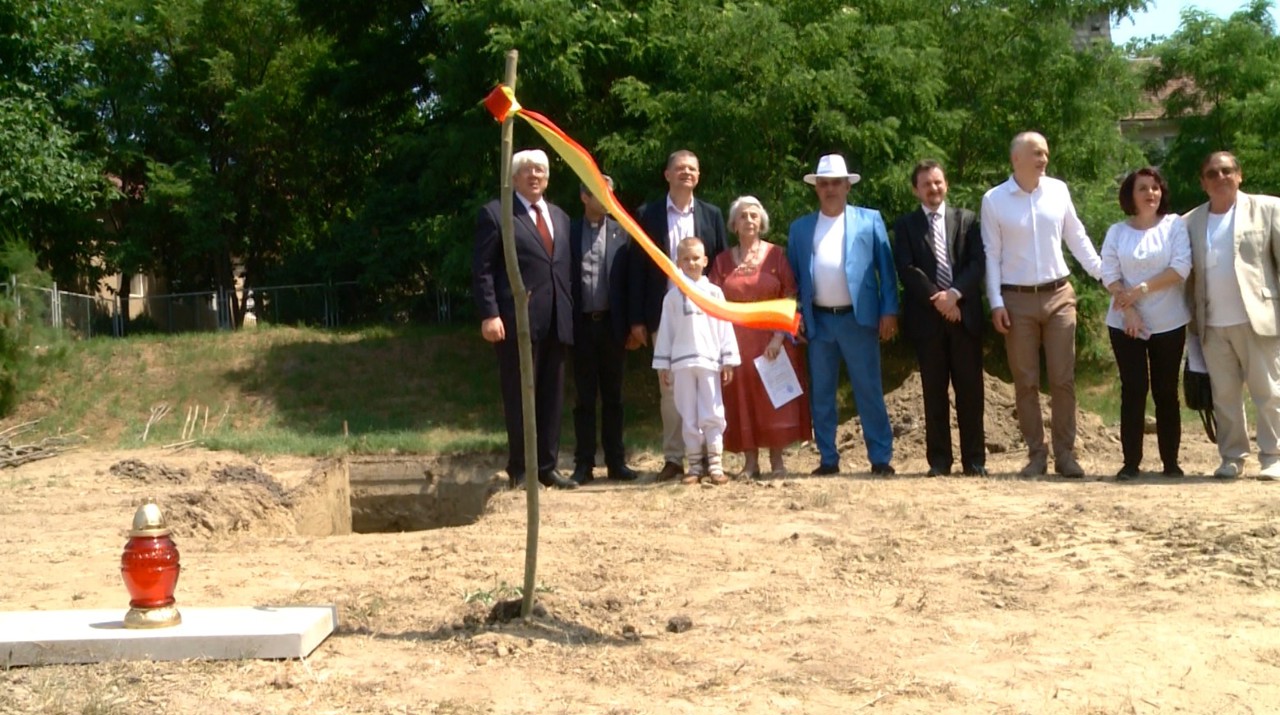
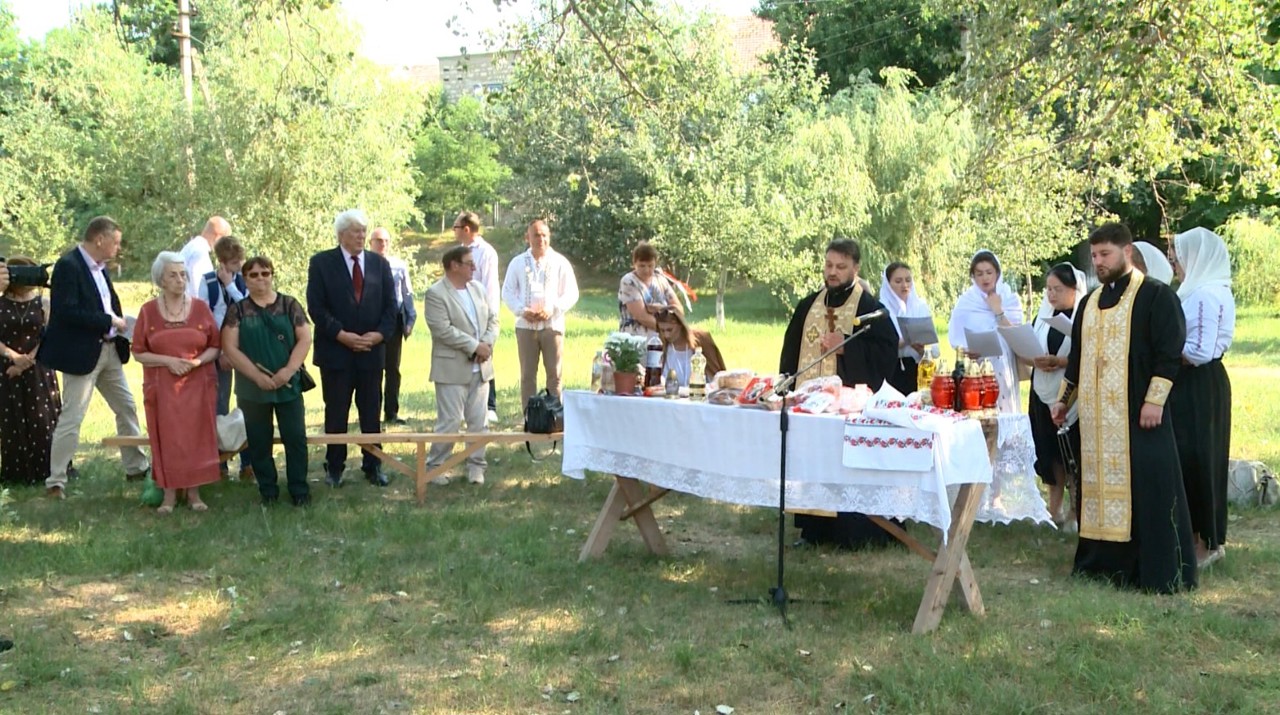
The official opening of the Film Festival coincided with the ceremony to hand over land for the “Embassies of Memory” initiative, attended by diplomatic representatives from the festival's three partner countries: Romania, Poland, and Ukraine.
Film screenings will continue until July 6, which is observed as the Day of Victims of Stalinist Deportations.
The echoes of those dramatic pages of history are still alive today.
"My grandmother and five children were deported, including my mother, who was nine and a half years old at the time. My grandmother worked in woodworking, cutting down forests, and later in a restaurant as a cook", said Tatiana Moraru, a resident of Mereni.
During the Soviet period, people talked about the Stalinist deportations. Although the victims' files have been published, some still deny this historical truth.
"Unfortunately, we are witnessing a massive attack, primarily through social networks, organized by trolls and individuals without identities who deny the historical truth and trivialize those events. This is precisely why what we are doing here is so important—we are only discussing the true events that happened to our people and not just to the locals," declared Cristian Jardan, the acting Minister of Culture.
It is worth noting that 77 years have passed since the second largest Stalinist deportation operation in Basarabia. On the night of July 5 to 6, the Soviet regime launched "Operation Iug." Over 35,000 intellectuals and wealthy peasants were forcibly removed from their homes and sent to Siberia or Kazakhstan.