Rising arthritis cases drive demand for joint replacement surgery
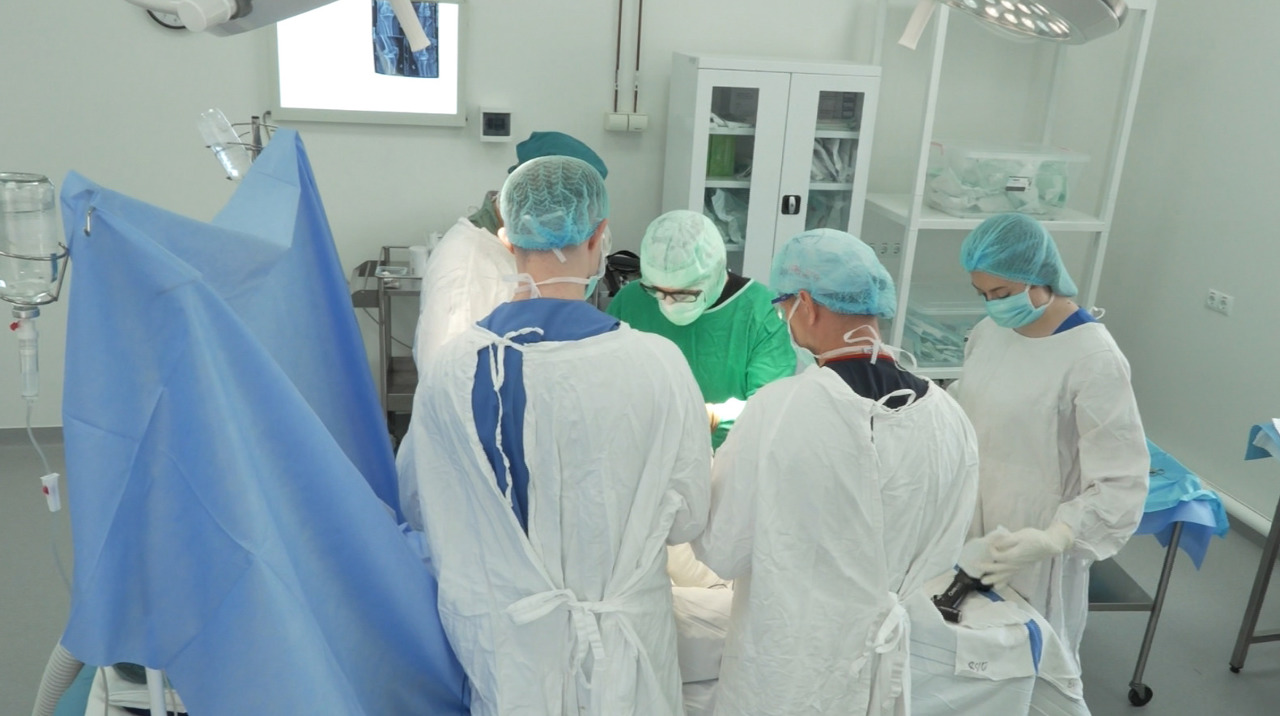
Rheumatic diseases have become a growing public health challenge in Moldova, with an increasing number of people affected and a significant impact on disability. Many patients seek medical care only after conservative treatment options have failed, leaving surgery as the last resort.
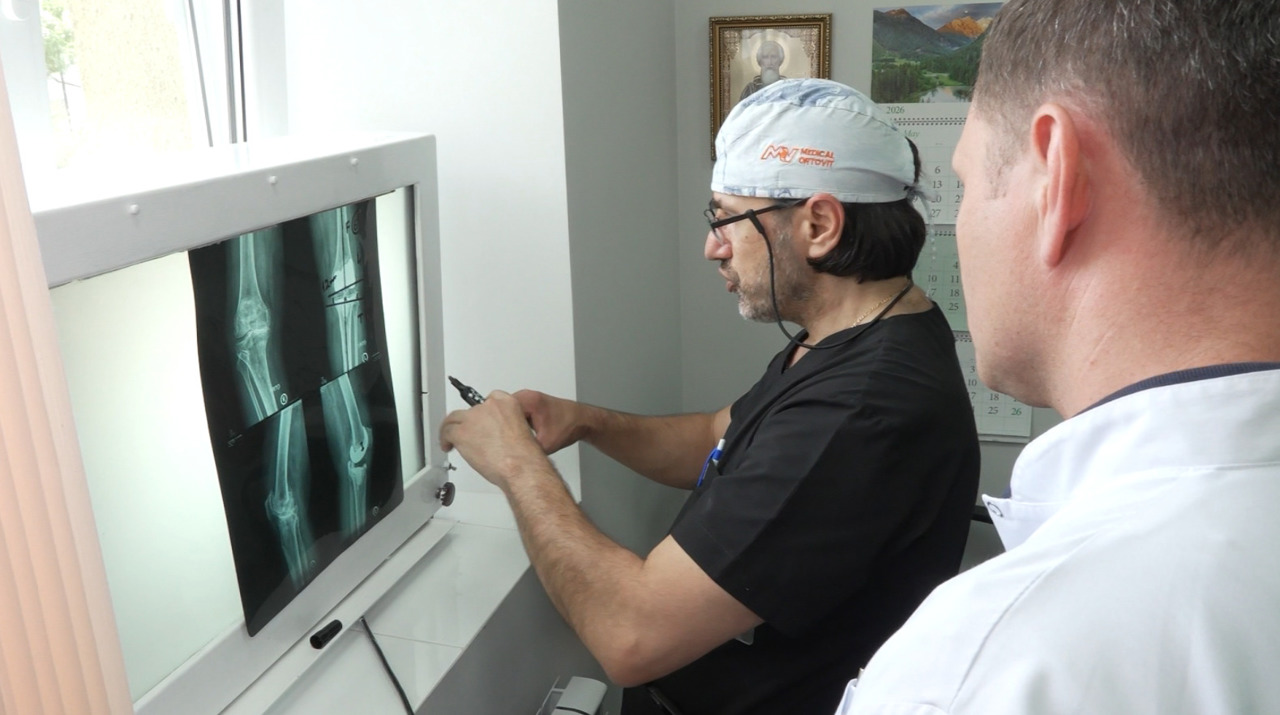
Orthopaedic surgeon Alexandru Bețișor has spent more than three decades helping patients regain mobility. Every working day begins with ward rounds before he heads to the operating theatre, where he typically performs three or four procedures, followed by pre-operative assessments for the next day's patients.
Bețișor entered medical school in 1991 after strong encouragement from his parents, both physicians. Although he initially considered leaving university, he ultimately found his calling in orthopaedic surgery.
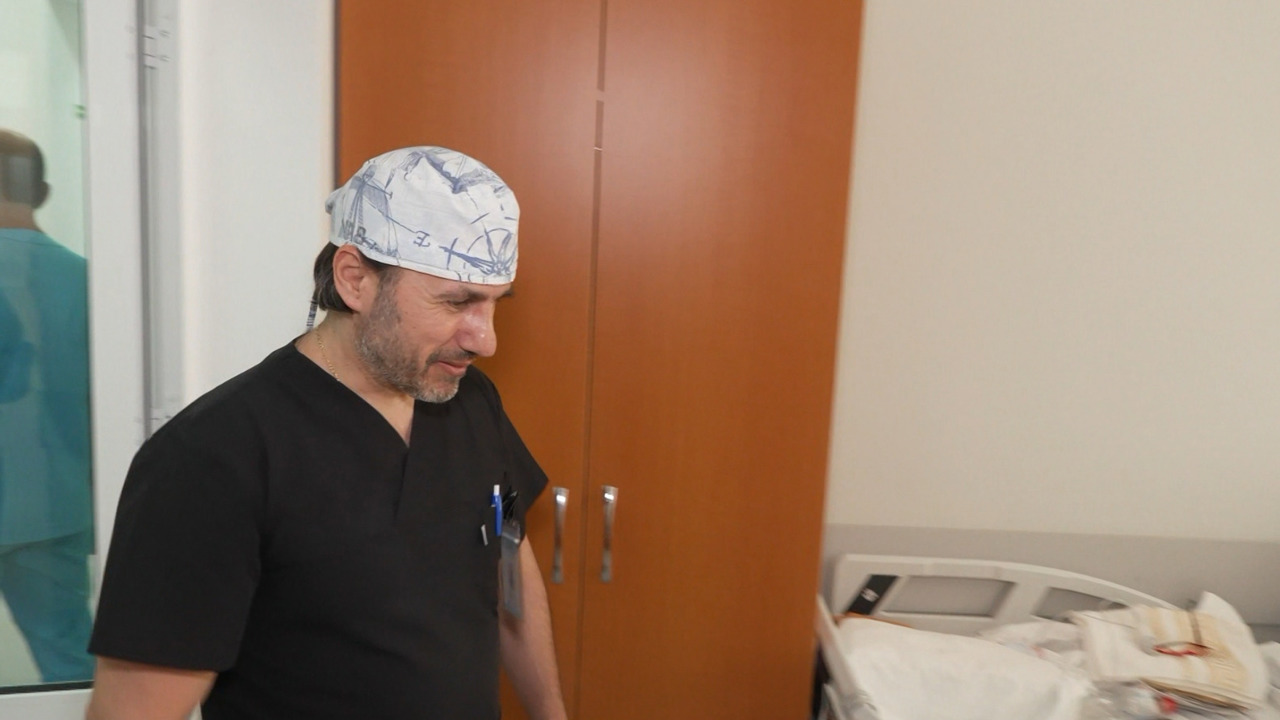
"I genuinely enjoy what I do," he said. "As a child I was fascinated by mechanical parts, and orthopaedics combines medicine with mechanical reconstruction. Every day we work with screws, implants and precision."
He began his career in 1992 as a nursing assistant in the operating department and now heads a department at Moldova's Clinical Hospital of Traumatology and Orthopaedics.
According to Bețișor, the demand for joint replacement surgery has risen dramatically over the past three decades.
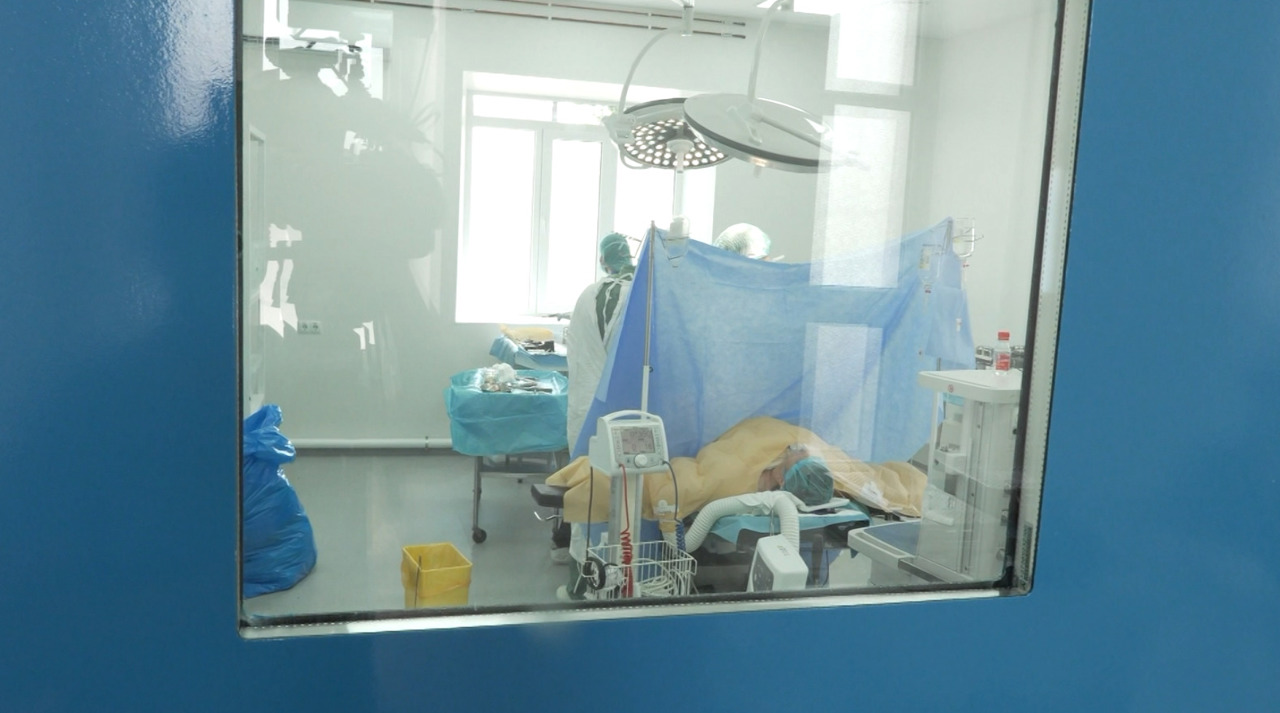
"When I started my career, only about 50 joint replacement procedures were performed each year. Today that number has reached around 4,500 annually, which shows how rapidly the need for these operations has grown," he said.
Patients treated by Bețișor praise both his professionalism and his compassionate approach.
"He welcomed me warmly, helped me through the operation, and I'm grateful for everything he has done for me," one patient said.
"He's an excellent doctor. He reassured me that everything would be all right," another patient added.
Medical specialists say people living with osteoarticular conditions can reduce pain and improve mobility by maintaining a healthy lifestyle and following appropriate rehabilitation programmes. Surgery is generally recommended only when medication, physiotherapy and therapeutic exercise no longer provide sufficient relief.
Translation by Iurie Tataru