Opposition boycott challenges Moldova's cabinet reset amid EU drive
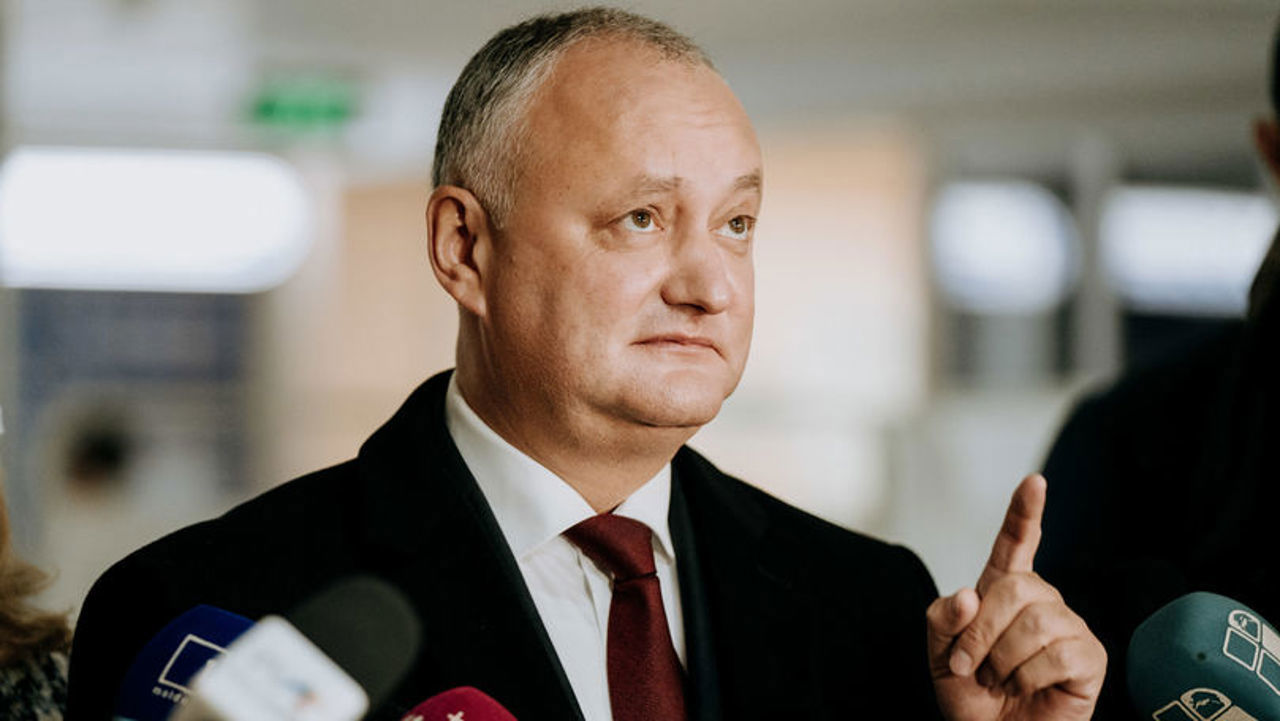
The Party of Socialists of the Republic of Moldova (PSRM) announced on Monday, July 6, that it will refuse to participate in official consultations called by President Maia Sandu to nominate a new prime minister. The pro-Russian opposition party characterized the discussions as a mere formality designed to simulate constitutional compliance.
The decision follows the resignation of Prime Minister Alexandru Munteanu on the morning of July 3. President Sandu subsequently initiated talks with parliamentary factions to form a new executive capable of advancing Moldova's strategic goal of European Union accession.
Opposition demands immediate parliamentary elections
In an official statement, PSRM asserted that the ruling Action and Solidarity Party (PAS) maintains an absolute monopoly over state institutions. The socialists stated they would not legitimize the process, claiming the next prime minister would serve merely as a political scapegoat for the current administration.
The party further argued that public confidence in the current government has eroded due to economic pressures. PSRM leadership declared their readiness to assume governance and nominate a prime minister only following snap parliamentary elections.
Broadening political resistance to the cabinet nomination
The National Alternative Movement (MAN), led by Chisinau Mayor Ion Ceban, joined the boycott following a decision by its expanded National Council. Ceban described the presidential consultations as a political farce and called for simultaneous snap presidential and parliamentary elections.
The ruling PAS party currently holds a comfortable absolute majority in the Chisinau legislature. The Moldovan Parliament features six represented political factions, leaving PAS structurally capable of confirming a new cabinet without opposition votes.
Constitutional framework for government formation
According to the Constitution of the Republic of Moldova, the designated prime minister-delegate has 15 days to present a government program and cabinet roster to Parliament for a vote of confidence.
Should lawmakers reject two separate prime ministerial nominations within a 45-day window from the first designation, the head of state is constitutionally empowered to dissolve the legislature, triggering snap elections.
Translation by Iurie Tataru