Moldova updates public lake leases to enforce environmental care
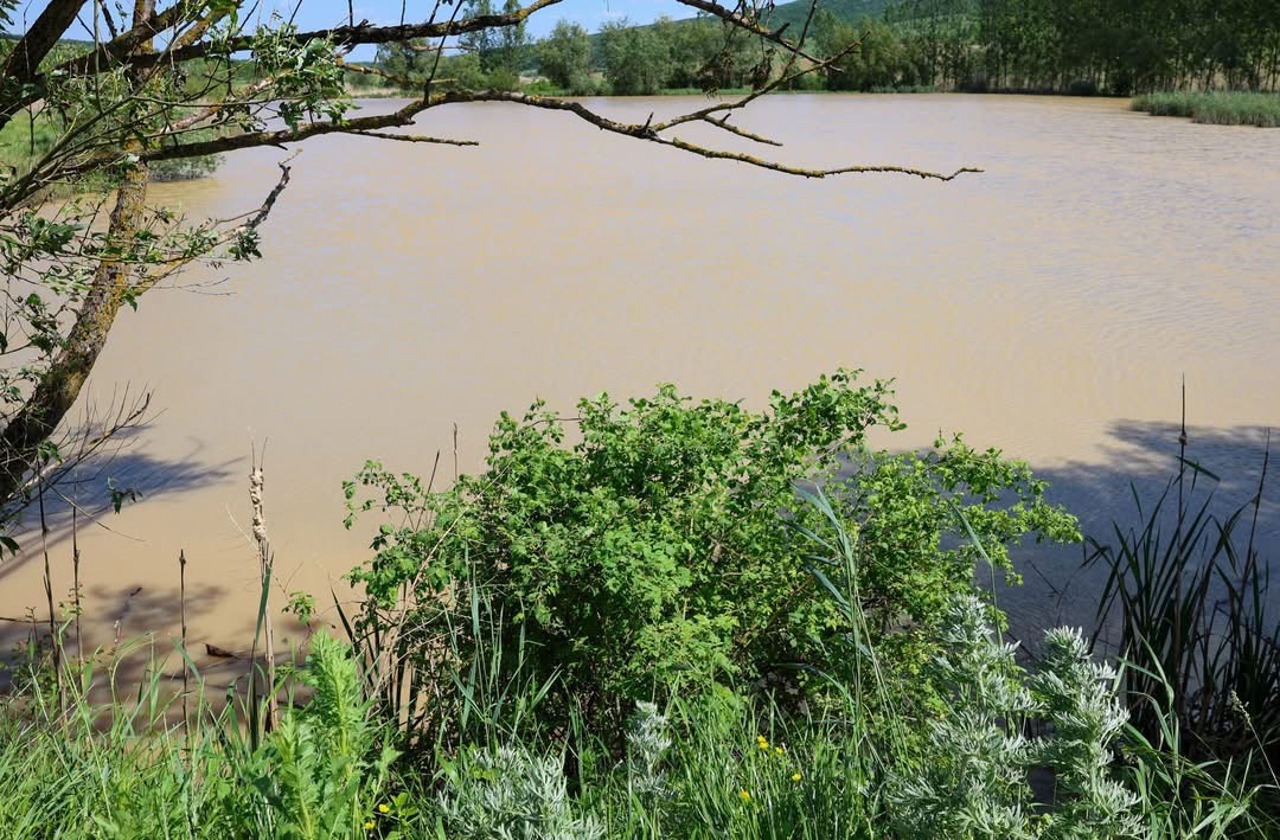
The Moldovan Ministry of Environment has requested local public authorities to urgently review lease contracts for state-owned lakes. Under a newly updated regulation, rental fees will now be calculated based on the specific surface area, depth, and hydrotechnical characteristics of each water basin.
Speaking on Friday, July 10, the acting Minister of Environment, Gheorghe Hajder, emphasized that the measure aims to eliminate outdated practices. Upon taking office, the minister found that numerous public lakes had been leased long-term under fixed tariffs established as far back as 2007 and 2008, with many lessees operating public waters as private property while neglecting basic maintenance.
Fiscal and ecological impact
The structural overhaul has already yielded significant financial results for the state budget. For the first 23 state-owned lakes updated under the new framework—representing half of the state's aquatic property—rental revenues surged from €71,400 (approx. 1.4 million MDL) to over €255,100. This represents a fourfold increase in state income.
According to Minister Hajder, the additional EUR revenues will be directly reinvested into environmental infrastructure. The funds are earmarked for improving dam safety and executing critical lake dredging operations across the country to prevent ecological degradation.
Stricter enforcement and compliance
The new legal framework provides local authorities with the necessary administrative tools to enforce compliance. Lessees are now legally obligated to invest in the maintenance of the water basins, facing immediate contract termination if they fail to meet safety and environmental standards.
The Regulation on the Utilization of Water Fund Lands and Hydrotechnical Structures was initially approved by a Government decree in 2024. In 2026, the Executive amended the document to introduce this modernized calculation method, aiming to maximize public asset efficiency and hold private operators accountable.
Translation by Iurie Tataru