Farmers turn to foreign workers as local labor declines
Moldovan agriculture is experiencing an increasing labor shortage. As many Moldovans opt to work abroad, local farmers are attempting to address the gap by hiring workers from Nepal, India, and Bangladesh.
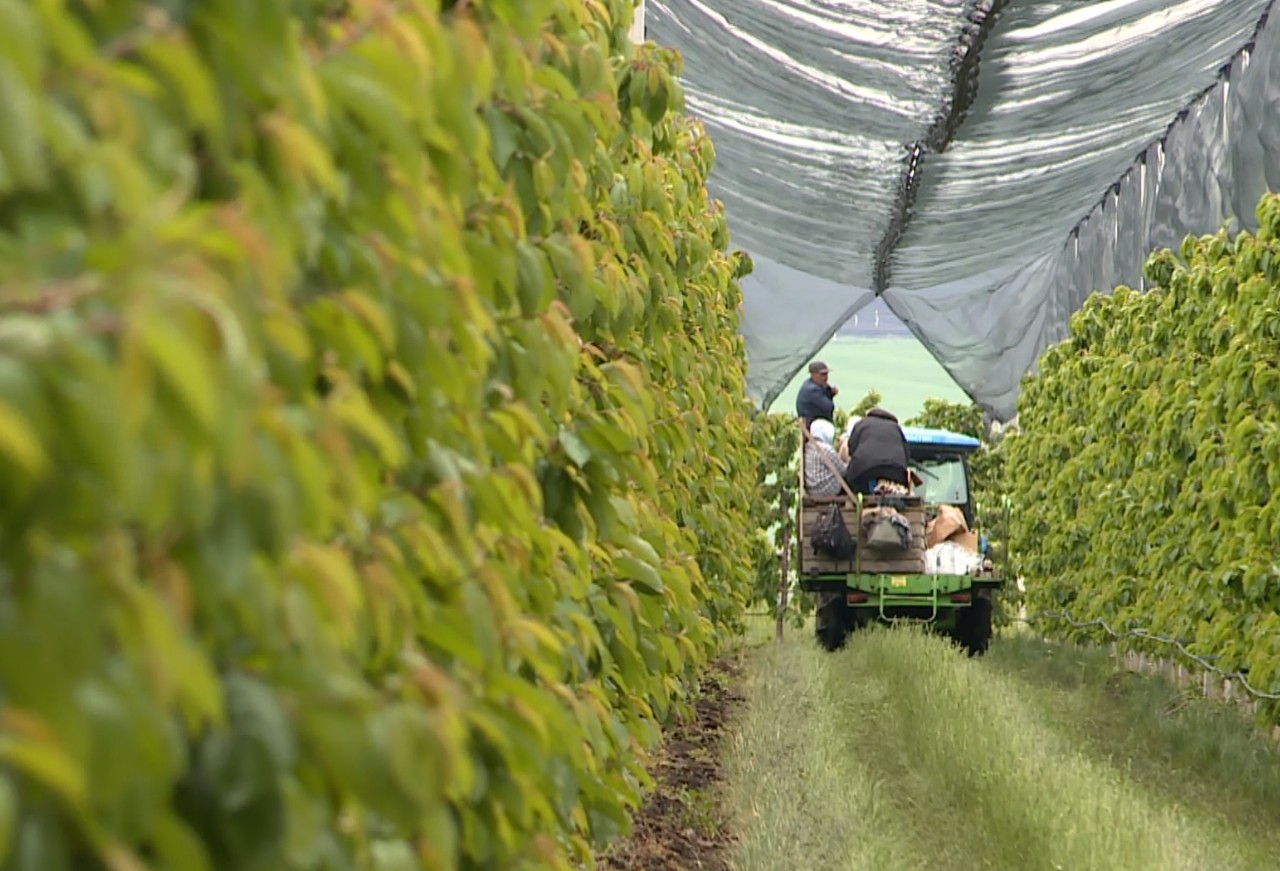
Agricultural work faces tight deadlines, and the shortage of seasonal employees leads to significant financial losses for farmers.
Nicolae Pascal, a fruit grower from the Telenești district, manages a 12-hectare cherry orchard. He reports that local day laborers are demanding increasingly higher wages for a day's work, but do not always meet the required pace or standards in the field.
"In our country, young people do not want to engage in this type of work. While we do offer competitive salaries, we still struggle to find labor, and believe me, this is essential. Additionally, during religious holidays, many people do not show up for work. Major holidays, such as Saint Nicholas or Saint Andrei, also see high absenteeism," said fruit grower Nicolae Pascal.
Tatiana Pavliuc, a farmer from the Ocnița district, has been dealing with labor shortages for an extended period as well.
"You pay them by the hour, but they do very little. If you pay by volume, they might rush and include leaves and branches in the containers to increase quantity. We offer 140 lei per container, but they often ask for 500-600 lei, or even up to 1,000 lei for poorly picked fruit," she explained.
Earlier this year, a legislative amendment came into effect, allowing recruitment agencies to bring foreign workers to the Republic of Moldova for seasonal labor. This demand primarily comes from farmers with orchards, greenhouses, warehouses, or other agricultural businesses, where manual labor is essential.
"Foreign workers are an alternative for the labor shortage we face in the Republic of Moldova. The role of temporary employment agencies has been introduced, which means these agencies will be responsible for importing personnel, handling their documentation, hiring them, and temporarily assigning them to various companies as needed," said Petru Maleru, head of the Association of Recruitment Agencies of the Republic of Moldova.
Public opinion on employing foreign workers in agriculture is divided:
"Let them work and earn some money. I have two hectares of land that are fallow because I have no one to work it."
"This is our land, and they want to work here, but the pay is low, which is why people do not accept."
"Foreigners are not to blame for coming here. We have a state whose education system fosters laziness among youth. If they really wanted to work, we wouldn't need to bring in foreign workers from afar."
For the authorities, addressing labor migration has become a new responsibility: to ensure clear regulations, decent working conditions, and proper integration of foreign workers, so that agriculture can ensure quality production and remain competitive.
For more on this topic, tune in to the show "Earth and People", broadcast on Moldova 1 every Sunday at 2:00 PM.