Young Moldovan turns agri-food waste into a valuable resource
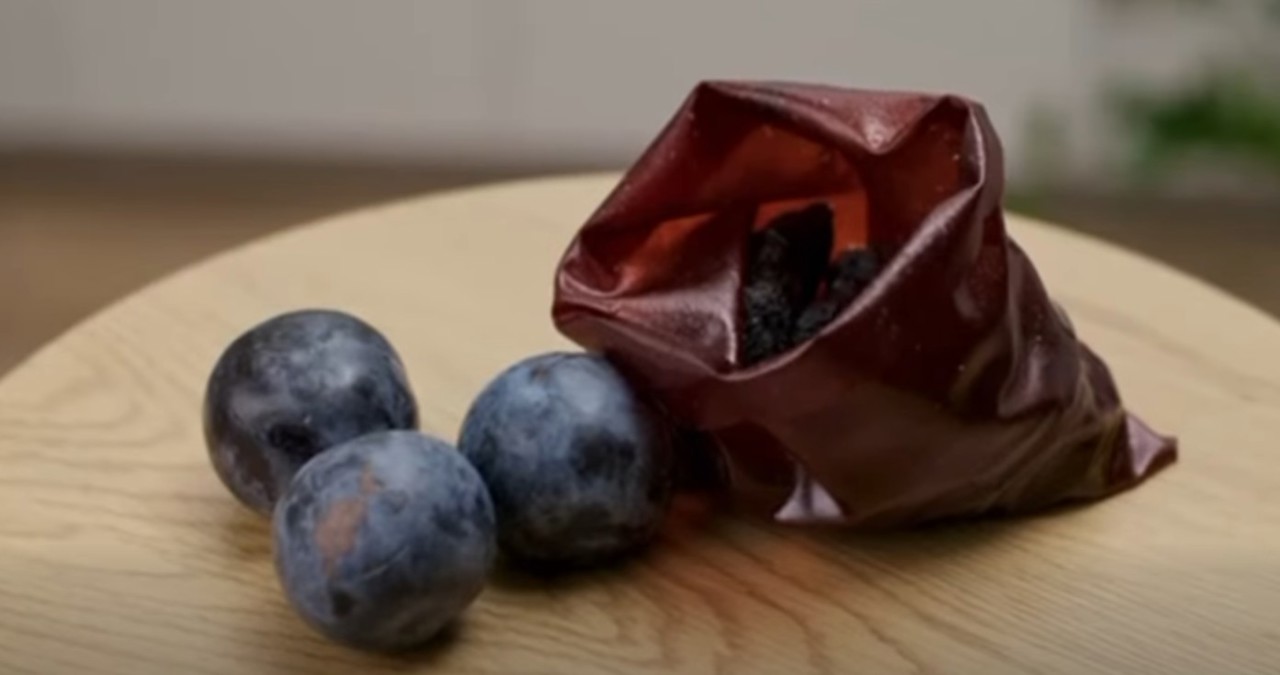
In a world where plastic has infiltrated nearly every aspect of our lives, a young woman from the Republic of Moldova is demonstrating that change can begin with a courageous idea. Food engineer Olga Fiodorov has developed an innovative method to transform what typically ends up in the trash—fruit and vegetable scraps—into sustainable, safe, and functional materials for the food and pharmaceutical industries.
The innovation was born from the young woman's desire to protect the environment and human health.
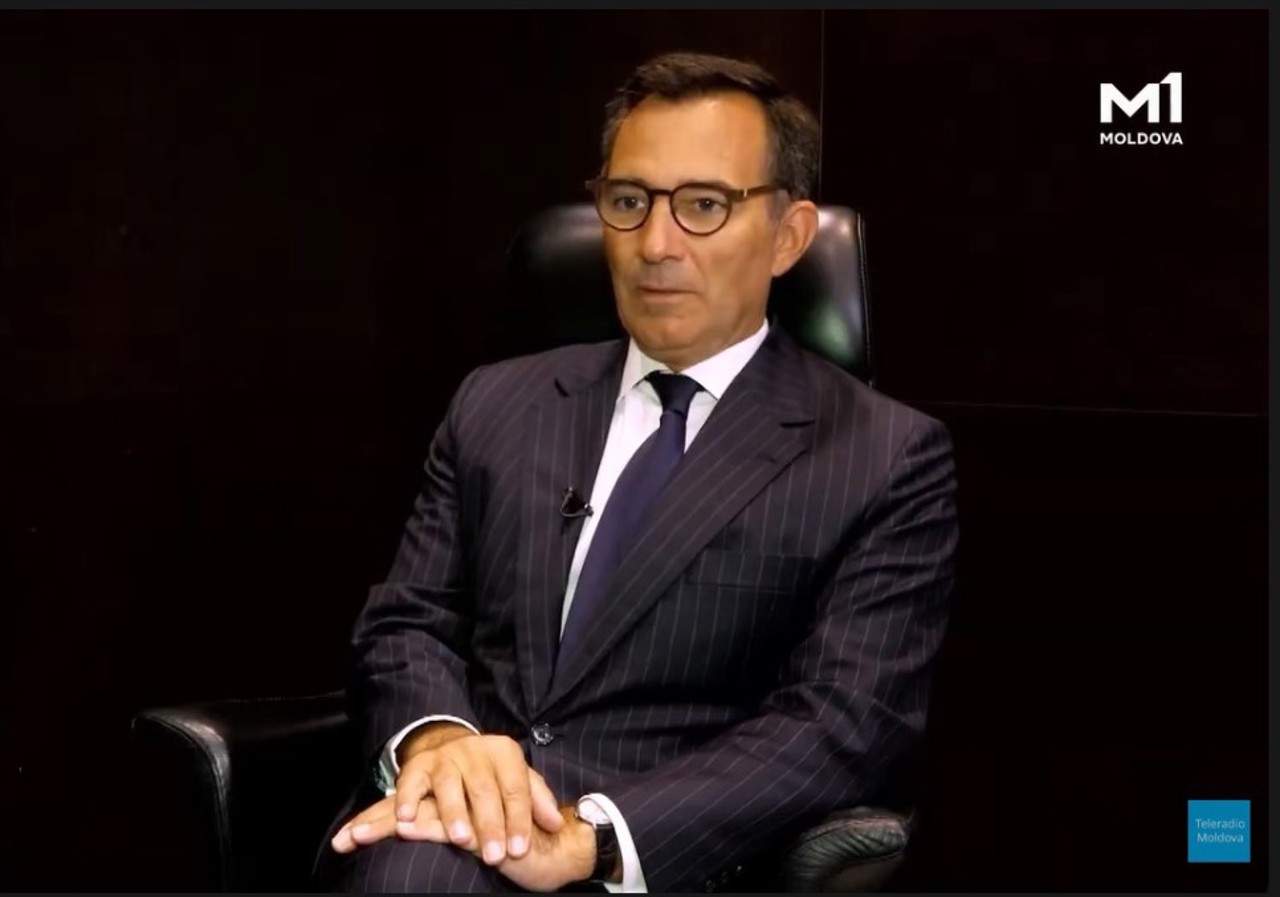
"In our case, we start from a basic idea that is quite simple, that is, agri-food waste is no longer an end, but a starting point for a new resource. We managed to work with what the agri-food industry considers waste: fruit and vegetable peels, residual pulps, seeds and other vegetable fractions rich in fiber, pectin and cellulose. From these by-products we obtain a biodegradable food film, a thin material, safe for contact with food, which can later be transformed into bags, packaging of different shapes and sizes, depending on the client's wishes and needs", the young woman explained, on the "Zi de Zi" show on Radio Moldova.
The motivation behind this invention is twofold, to protect the environment, but also to use agricultural by-products that are thrown away and end up as waste. The Republic of Moldova generates significant volumes of agri-food by-products annually.
"For example, in 2025, over 70,000 tons from agriculture and horticulture remained outside any circuit, were not utilized. With this proposed technology, these resources are transformed into a biodegradable, safe, and environmentally friendly material suitable for packaging food products. Our packaging is primarily intended for the food and nutraceutical industries. It can be used for packaging dried fruits, snacks, bakery products, pastries, bakeries, teas, spices, aromatic and medicinal plants, and, of course, in the HoReCa sector", said Olga Fiodorov.
Raw material from vegetables is more suitable for salty products, such as dried salamis and cheeses, and raw material from fruits is recommended for sweet-tasting products, the young woman claims.
At the same time, she aims to expand commercial testing in the next six months. As many manufacturers as possible find out and test this packaging. They plan to develop new types of packaging, fresh fruit and vegetable trays, so that they cover not only dry products, but also the fresh products segment.
“The last step, but I think the most important, is the launch of a pilot production station, which will allow us to move from a prototype of small production series to a production line”, said Olga Fiodorov.
There are packages on the market that are called bio, such as even cardboard packages, but the problem is their interior, the part that comes into direct contact with the food, Olga said: “It is covered with a plastic film, practically everything that touches the product is plastic and here we are talking about the transfer of plastic compounds to the food, namely if the product is at high temperatures, then it automatically attracts plastic, if the acidity of the product is high and, of course, if it is rich in proteins”.
According to her, our country can become a regional example of sustainable packaging.
"The Republic of Moldova is gradually moving towards a green economy and a circular economy by aligning with European standards and, of course, there is already a legislative framework that supports this. Of course, we also have many challenges, such as insufficient investments, limited collaborations, a still low level of information and awareness among people. It is our responsibility to think about future generations and, where possible, reduce our dependence on plastic. On this occasion, I urge you to be part of the change, to choose biodegradable packaging," concluded Olga Fiodorov.
We remind you that an unusual discovery by researchers could turn plastic waste into a valuable medical resource. Researchers at the University of Edinburgh, Scotland, have developed an innovative method to transform plastic bottles into a drug used to treat Parkinson's disease.
The method represents a concrete example of transforming environmental problems into innovative solutions for human health, combining biotechnology with sustainability and the circular economy.
This technology uses genetically modified bacteria to convert plastic waste into an active substance, offering a sustainable alternative to traditional fossil-fuel-based production methods.
The resulting preparation is the main treatment for the motor symptoms of Parkinson's disease, including tremors, rigidity and slowness of movement.
Currently, the drug is produced largely from petroleum sources, which raises sustainability and cost issues.
The transformation of plastic into medicine opens up a perspective for the valorization of plastic waste, which, globally, reaches approximately 50 million tons annually.
Scientists believe that if the method is perfected and implemented at an industrial scale, it could be a promising solution to two major problems in modern society: treating neurological diseases, which millions of people worldwide suffer from, and reducing plastic pollution.
The research team has previously demonstrated that plastic can also be used to produce paracetamol, indicating the technology's potential for application in various pharmaceutical and industrial fields.
The technique could be extended to the production of flavors, cosmetic perfumes and other chemicals. This opens up new perspectives for the circular economy and waste reduction.