"They came armed and forced the children out": 22 years since the closure of Romanian-language schools on the left bank of the Nistru
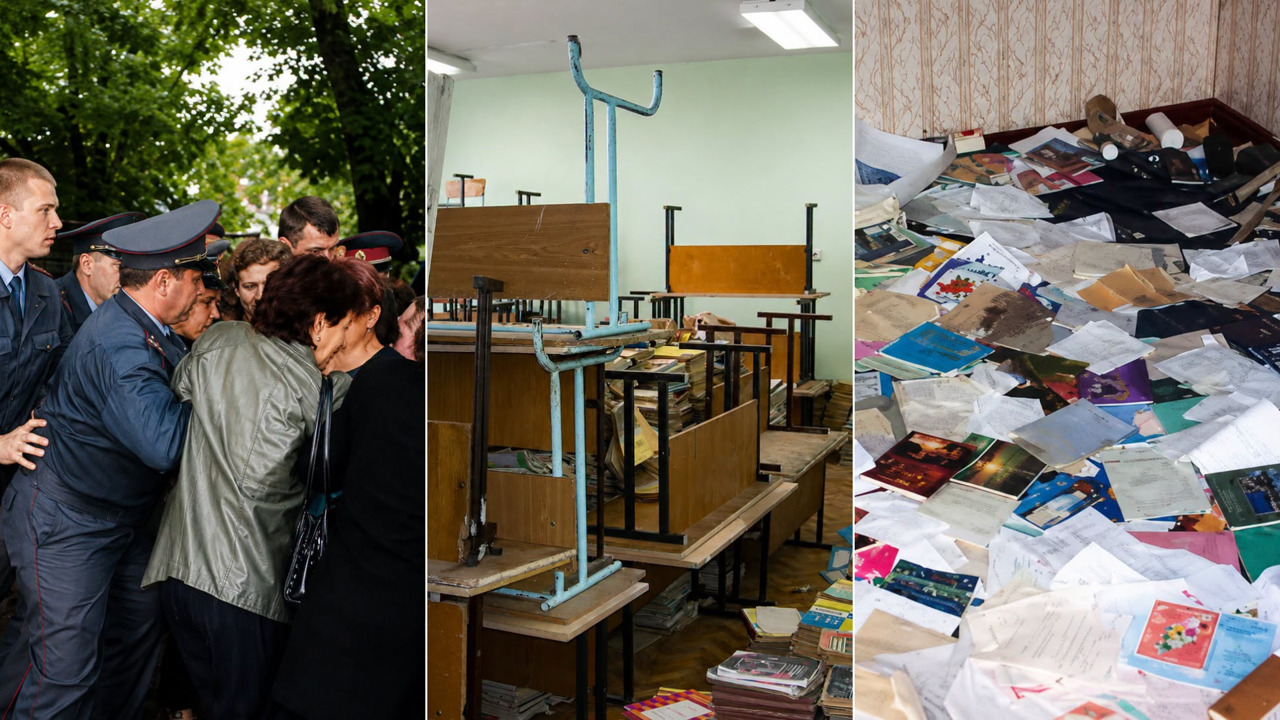
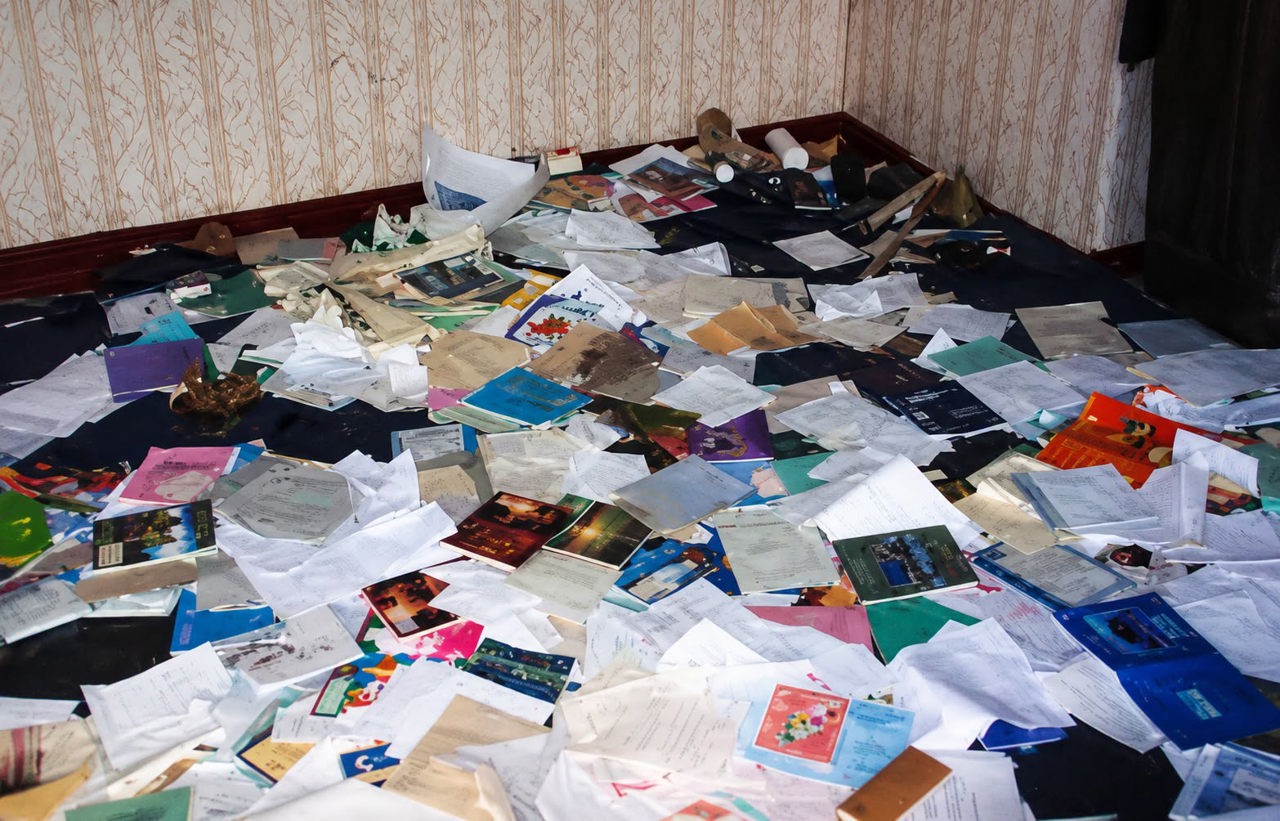
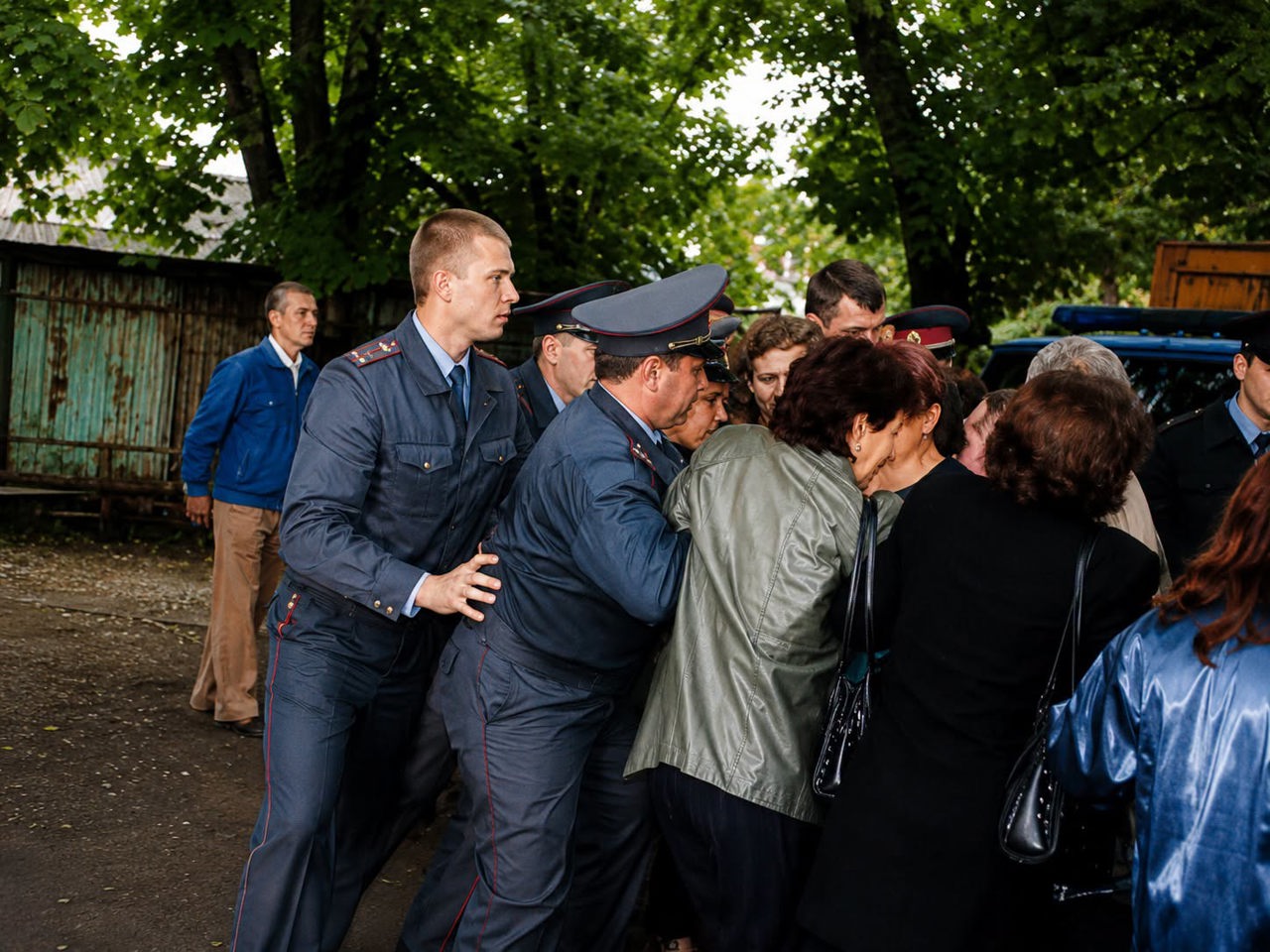
July 15 marks the 22nd anniversary of the most aggressive intimidation campaign of the unrecognized regime in Tiraspol against Romanian-language schools in the Transnistrian region. The moment is marked by the shocking testimony of Eleonora Cercavschi, the principal of the “Ștefan cel Mare și Sfânt” Lyceum in Grigoriopol, who recalled, in an interview for Teleradio-Moldova, how armed troops entered the institution, forcibly evacuated children and teachers, vandalized classrooms and publicly burned textbooks in Latin script.
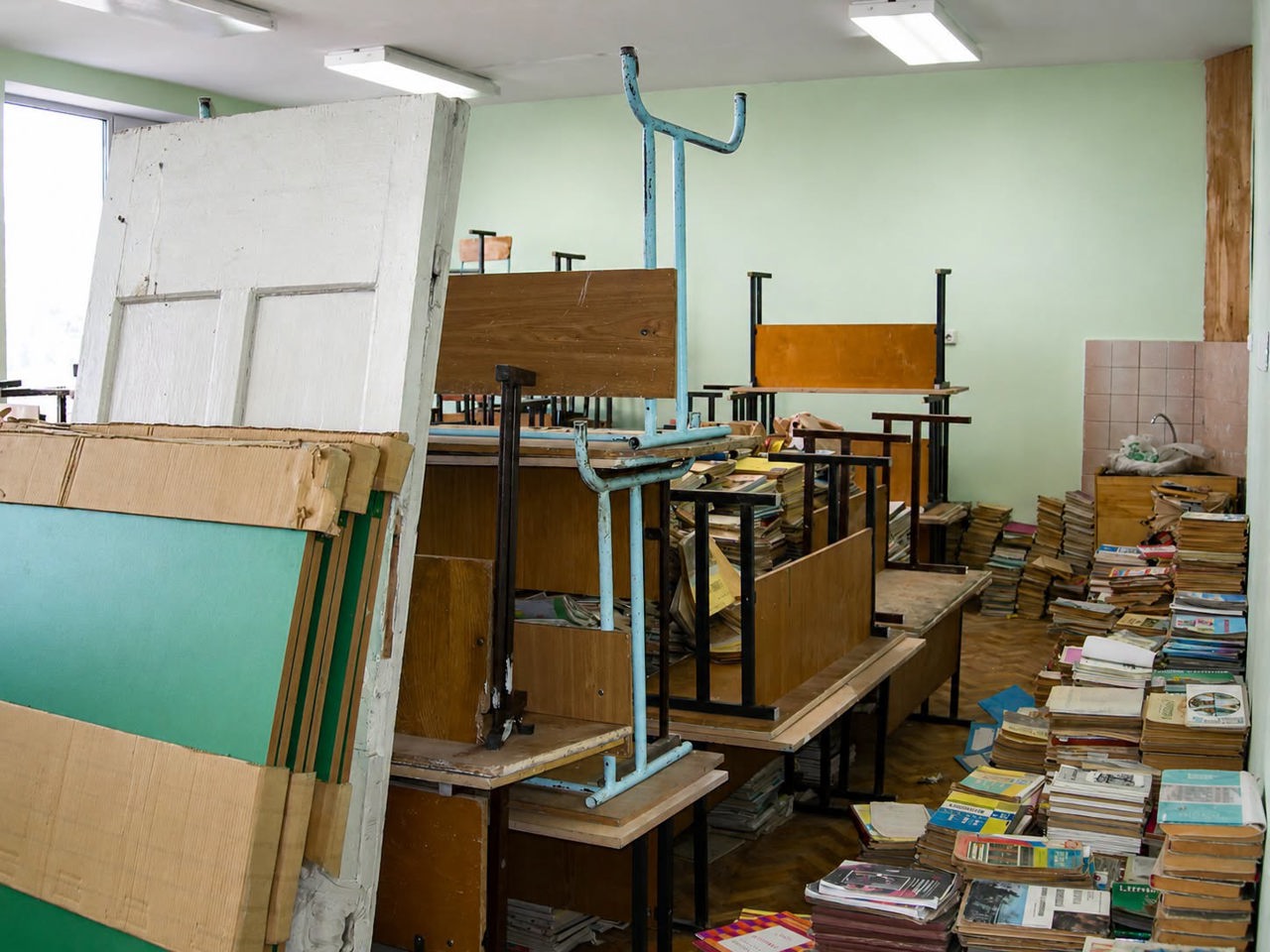
“The first school to be expelled from the Transnistrian region was the school in Grigoriopol. Then, in 2004, schools in Tiraspol, Tighina, and Râbnița followed. I worked as a principal during this time. There were armed individuals surrounding the Transnistrian area, and they entered the school while armed, forcibly removing children and teachers. They destroyed furniture, set fire to books written in Latin script, and desecrated all materials in Latin script. These events truly happened,” Eleonora Cercavschi said.
Currently, the lyceum operates in Doroțcaia, a village in the Dubăsari district. According to the institution's manager, students from six localities near Grigoriopol are required to commute daily to receive their education in Romanian.
“In Grigoriopol, classes are taught in Cyrillic. In Tiraspol and Tighina, after a certain period, the buildings were returned, and the children went back to school. We’re currently active in Doroțcaia, but we remain expelled and do not have a building,” the director added.
Regarding the case pending at the European Court of Human Rights (ECtEHR), Elena Cercavschi stated that it is “at a standstill” because the Russian Federation has refused to comply with the court’s decision. She believes that the constitutional authorities “are doing everything possible” to ensure the right to education in Romanian within the region.
“The constitutional authorities are making every effort. However, we are confronting an adversary that does not recognize any legal framework. When faced with a state that acts as an aggressor and disregards international laws, there’s limited recourse. Everyone is looking for justice, including us. Everybody desires their own form of justice,” she added.
According to the Promo-LEX Association, on July 14, 2004, schools were closed and sealed; many were devastated, and teaching materials, furniture, and books were destroyed. Teachers, students, and parents faced pressure and intimidation during this time.
In response to these abuses, school communities have stood up for the children’s right to learn in Romanian.
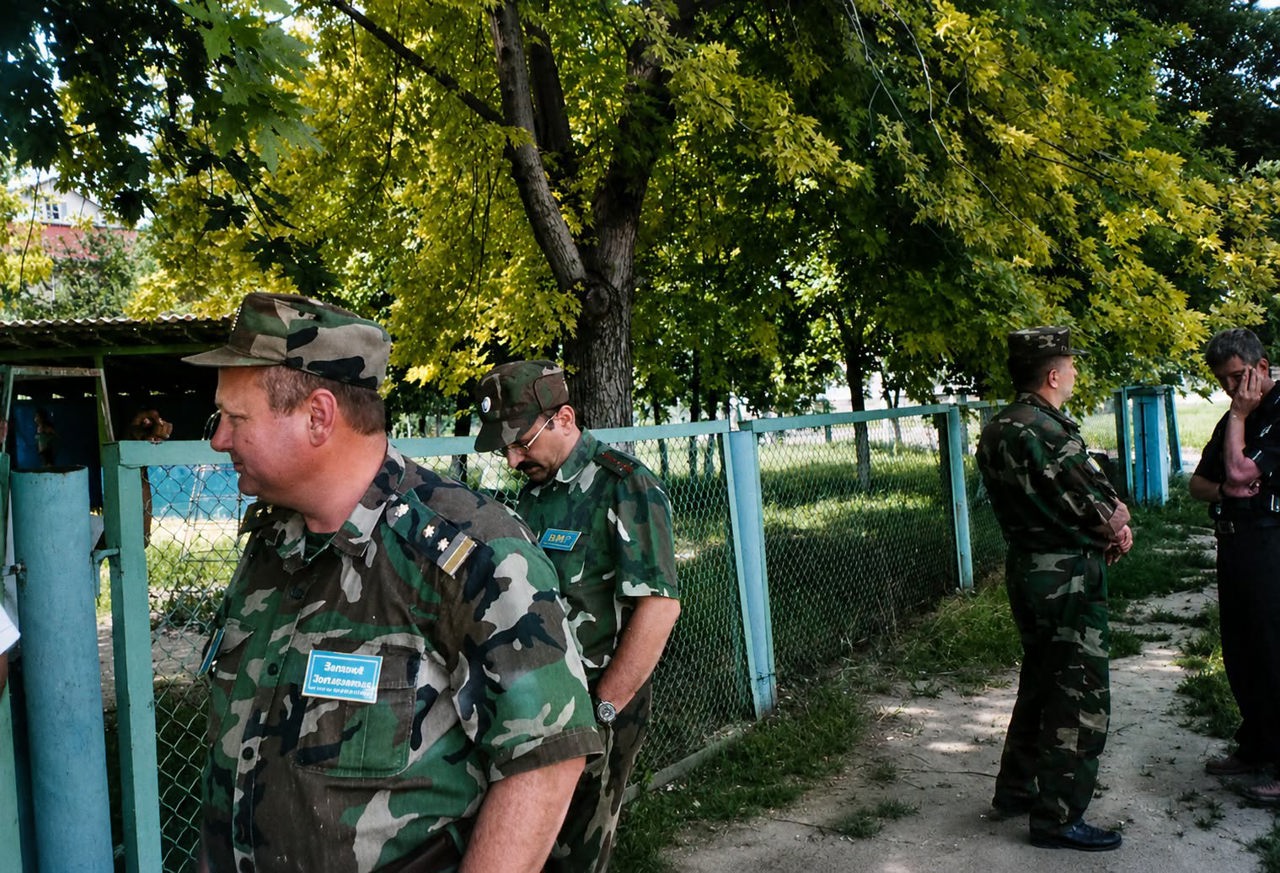
The Promo-LEX Association represented three educational institutions before the European Court of Human Rights: the "Alexandru cel Bun" Theoretical Lyceum in Tighina, the "Evrica" Theoretical Lyceum in Râbnița, and the "Ștefan cel Mare și Sfânt" Theoretical Lyceum in Grigoriopol.
In October 2012, the Grand Chamber of the European Court of Human Rights delivered its judgment in the case of Catan and others v. the Republic of Moldova and Russia. The Court found a violation of the right to education for students and parents in schools using the Latin script in the Transnistrian region.
Following this, the ECtHR issued its judgment in Iovcev and others v. the Republic of Moldova and Russia, which addressed the persecution faced by teachers and administrators of Romanian-language lyceums.
"Twenty-two years later, we continue to support teachers, students, and parents who defend their right to education and promote respect for human rights in the Transnistrian region. The right to education cannot be negotiated, and the memory of these events must not be forgotten," stated the Promo-LEX Association in a recent statement.