Venice Commission evaluates Moldova's new Parliament Code
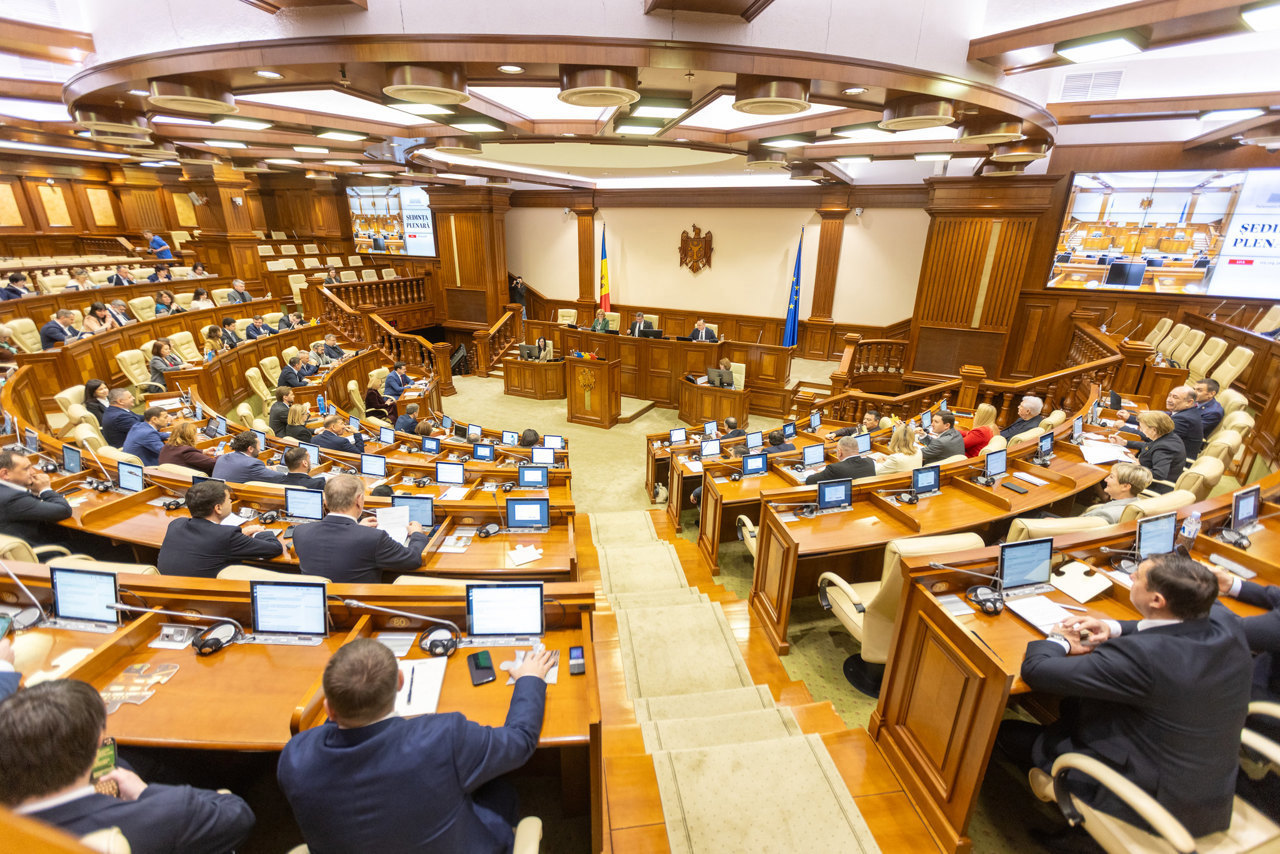
A group of rapporteurs from the Venice Commission is currently assessing the Code on the Organization and Functioning of Parliament during a fact-finding visit to the Republic of Moldova, which takes place from July 16 to 17. At the conclusion of the visit, the rapporteurs will present their opinion on the draft.
The agenda for the visit indicates that the Venice Commission delegation is set to meet with the authors of the draft Code, as well as members of the Legal Affairs Committee, the Appointments and Immunities Committee, and the European Integration Committee. They will also engage with representatives from both the parliamentary majority and opposition.
Additionally, discussions are planned with officials from the Ministry of Justice, the Constitutional Court, the Office for European Integration, the Superior Council of Magistracy, the Superior Council of Prosecutors, and the Office of the Ombudsman.
Separate meetings will take place with representatives of civil society, professional associations, and international partners.
The draft Code on the Organization and Functioning of Parliament was voted on in its first reading in May. It has faced criticism from the opposition, which argues that certain provisions could restrict deputies' rights and weaken the role of opposition groups in the legislative process.
The most controversial amendments include restrictions on deputies who leave the factions they were elected with, reduced speaking time during plenary sessions, and new rules governing parliamentary session conduct.
In contrast, representatives of the parliamentary majority argue that the new Code is essential for modernizing the legislature's activities and aligning parliamentary procedures with European standards. They contend that the new rules aim to enhance session efficiency, strengthen parliamentary discipline, and reduce political factionalism.
Key provisions of the draft include prohibiting deputies from moving between parliamentary factions and preventing the formation of new factions by parties that did not win mandates in the elections. Additionally, factions of parties deemed unconstitutional will not be allowed.
Under the new Code, a deputy who loses their faction membership will be classified as unaffiliated.
The document also introduces a designated voting period, called “Voting Time.” If Parliament does not meet the required quorum for voting, the session chairman will postpone the discussion.
The question-and-answer session for each draft law will be limited to one hour, with deputies allowed to ask the rapporteur two questions. Moreover, speaking times for parliamentary factions will be restricted to five minutes, while individual deputies will have three minutes.
Another notable provision is the reinstatement of “Government Time,” a mechanism that invites ministers to Parliament monthly to discuss public-interest topics.