Plastic funeral wreaths could be banned
Plastic wreaths and funeral ornaments may soon be banned from sale, according to a proposal from the Ministry of Environment. The ministry cites the negative environmental impact of these items once they end up in cemeteries. This initiative has sparked debate in society: while environmentalists support the ban, traders argue against it, stating that alternatives made from natural materials are often much more expensive and inaccessible to many families.
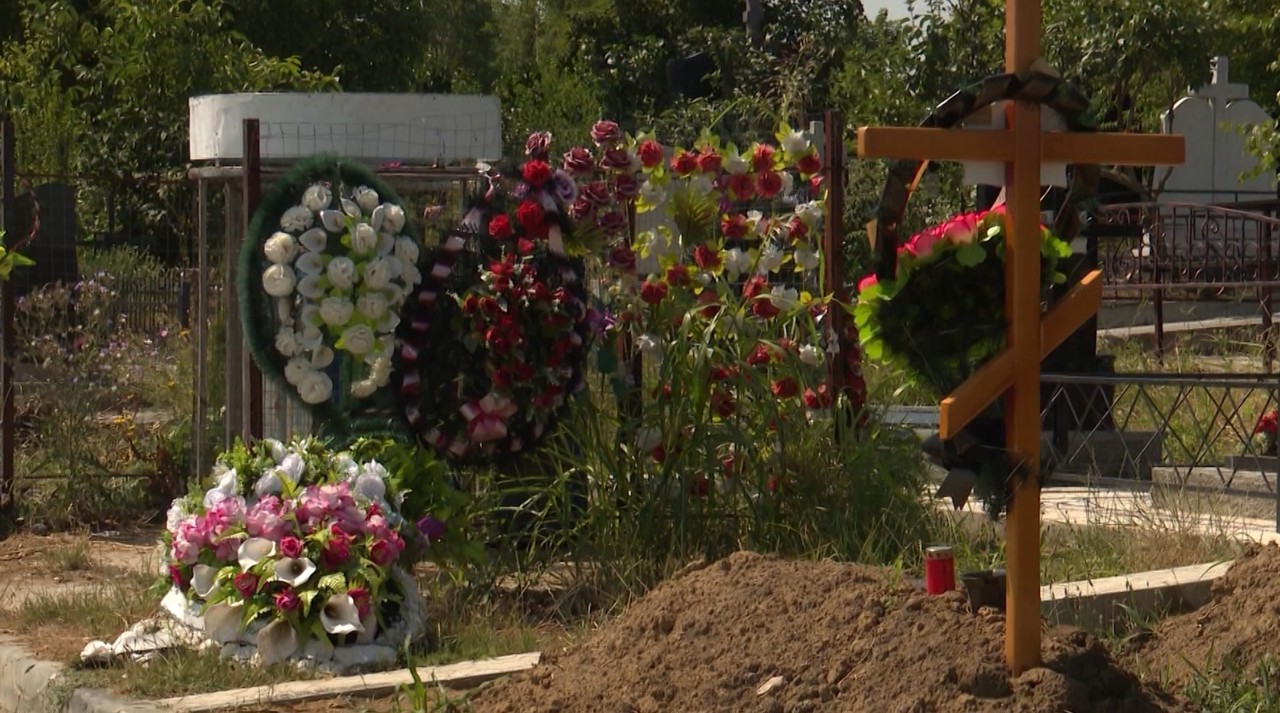
At the "Saint Lazarus" Cemetery in Chișinău, graves are adorned with plastic funeral ornaments. Each year, over 250,000 of these items are brought to the cemetery, resulting in more than 500 tons of plastic waste. Environmentalists point out that these materials take decades, or even centuries, to decompose in nature.
Funeral wreaths are not recycled or decomposed because they are made from a combination of materials, including plastic, wire, and textiles. Environmental protection specialists argue that these types of decorations should have been banned long ago.
Denis Macovschi, an environmental protection specialist, stated, "Plastic decomposes over a period of 50 to 500 years. If we burn it instead of letting it decompose, toxic substances are released into the atmosphere, which can persist for a long time. This also impacts the air we breathe every day."
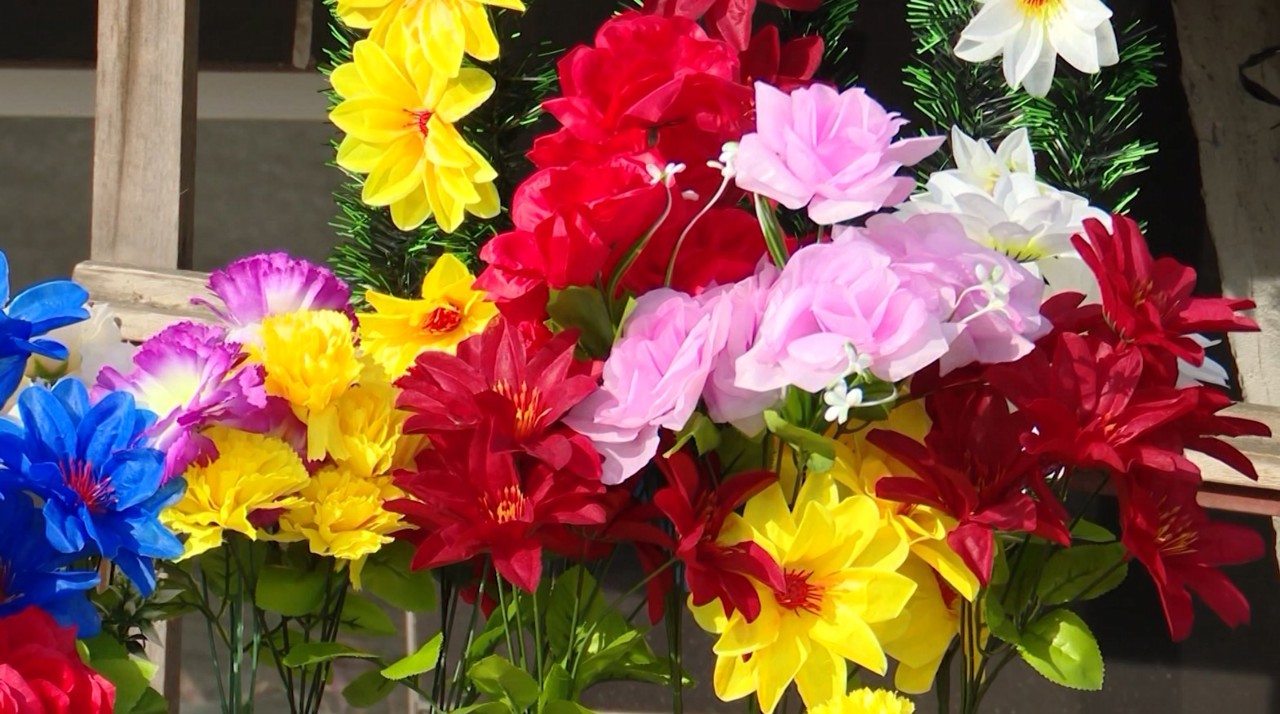
Residents of the capital are purchasing plastic floral compositions despite the environmental concerns associated with them.
"Even if they are artificial floral arrangements, they last a long time."
However, more people support the initiative proposed by the Ministry of Environment.
"We do not bring plastic wreaths; we only bring live flowers to the graves of the deceased. Artificial wreaths are harmful to the environment."
"The cemetery is overcrowded; they should not be allowed to sell these. I never buy them. - Why? - I don't like them. I don't accept something like that; I would rather pay a higher price for a live flower."
On the other hand, sellers of funeral items are criticizing the Ministry's initiative.
"Artificial wreaths starting at 150 lei can be expensive. But if you make a large wreath from fresh flowers, it costs ten thousand lei. Is there really a difference? In winter, there are no fresh flowers; they should consider that."
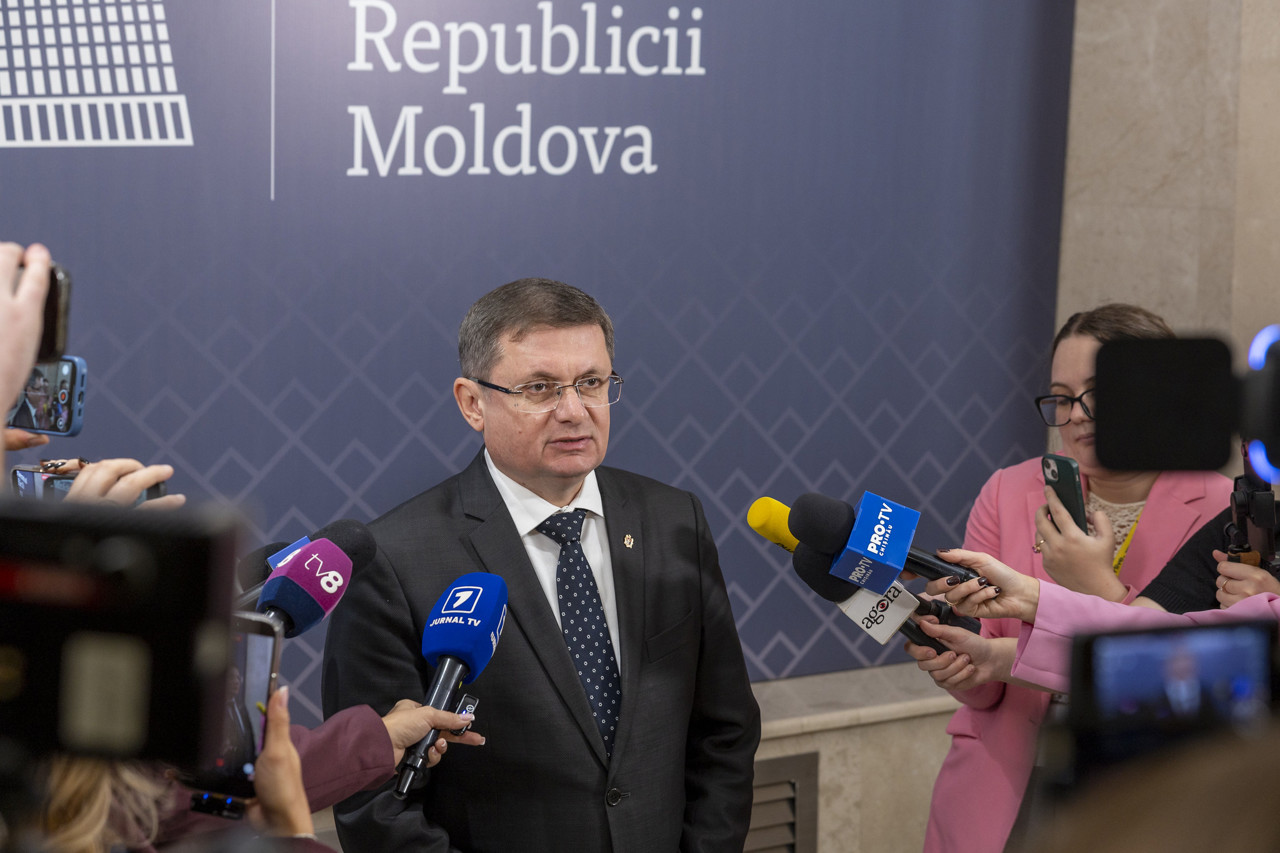
When discussing the ban on plastic wreaths, Gheorghe Hajder, the acting Minister of the Environment, stated, "Banning plastic wreaths means banning the entire process, including sales, marketing, and imports. We will not allow the sale of these items, and we will regulate the entire traceability of these plastic products."
The legislative initiative is currently in the public consultation stage, allowing citizens and organizations to submit their proposals and recommendations to the Ministry of the Environment until July 23.