High fuel costs strain Moldovan farmers despite big yields
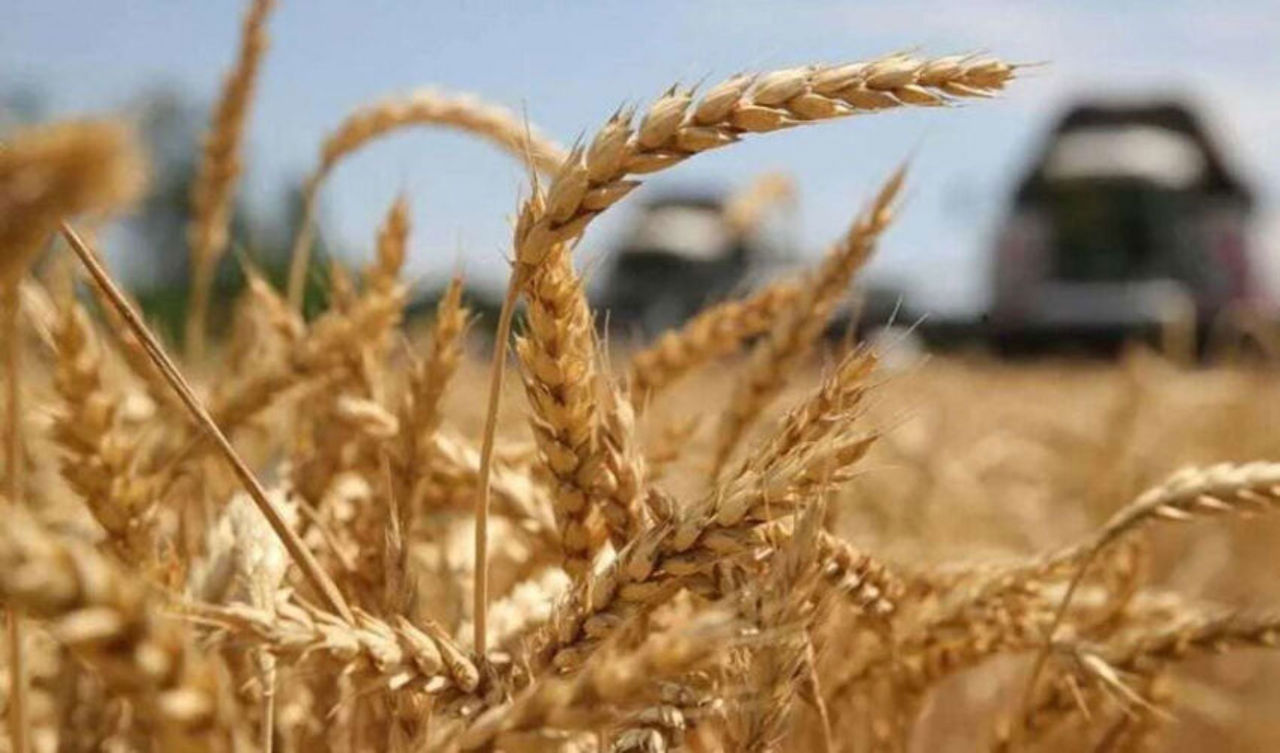
Moldova’s Ministry of Agriculture and Food Industry forecasts a wheat harvest of approximately 1.55 million tonnes for the 2026 season. Covering around 339,000 hectares, the yield will fully secure domestic food needs and sustain export capacity.
State Secretary Vasile Șarban stated on public broadcaster Radio Moldova that overall productivity will mirror the strong levels recorded in 2021 and 2025.
Domestic food security secured
Annual domestic demand requires up to 380,000 tonnes for human consumption, 180,000 tonnes for livestock feed, and 66,000 tonnes for seeding. The projected 1.55-million-tonne output comfortably covers these requirements.
"We are approaching the solid productivity levels of 2021," Șarban explained. "This harvest guarantees our national food security while leaving a substantial volume for international markets."
Global price pressures limit profitability
Despite favorable field yields, low market prices and elevated operational expenses threaten farm profitability. Officials point to Moldova’s heavy reliance on imported fertilizers, crop protection products, and diesel fuel, which remain sensitive to international conflicts and Middle East instability.
Market prices for grain are determined on global commodity exchanges influenced by major producers such as Ukraine and Romania. Consequently, domestic prices have stalled near levels last recorded nearly a decade ago.
Financial relief and alignment with EU standards
To ease the burden on growers, the government is issuing diesel fuel excise refunds totaling €5.6 million (approx. 110 million MDL) for the first half of 2026. A permanent tax rebate framework is currently under development.
Long-term competitiveness will rely on modern, low-input farming technologies and institutional reforms. Beginning in October 2026, growers can register in the official Agricultural Producers Registry, paving the way for direct per-hectare subsidies starting in 2027.
In 2025, Moldovan farmers harvested 1.59 million tonnes of wheat—a 33% increase over the previous year—achieving an average yield of 4.5 tonnes per hectare.
Translation by Iurie Tataru