Russian fuel shortages drive four-week slump in Putin approval
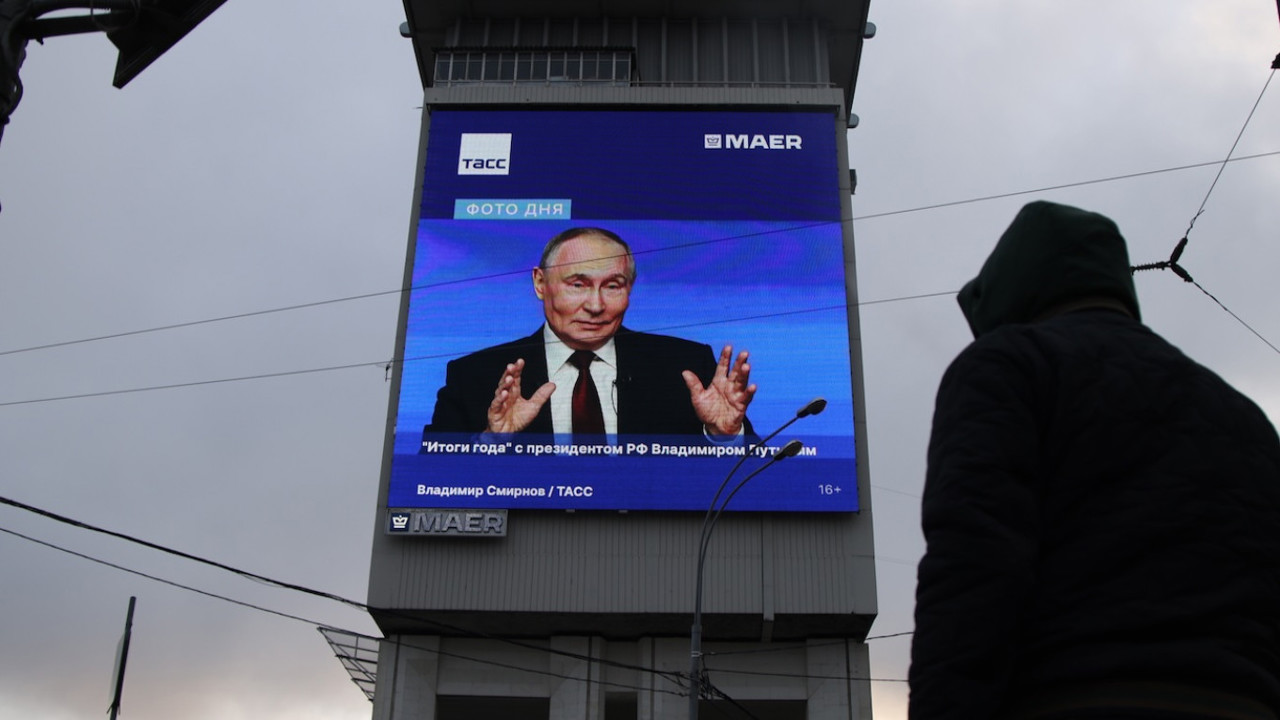
Mounting fuel shortages and rising pump prices across Russia have pushed Vladimir Putin's approval rating down for a fourth consecutive week, hitting its lowest point since the invasion of Ukraine began, state polling data shows.
Data released on Friday, July 17 by the state-run Russian Public Opinion Research Center (VTsIOM) indicates that approval for the Kremlin leader dropped to 65.1% as of July 12. The rating fell 0.9 percentage points over seven days and 5.3 points over the past month.
Historical decline pace
The current decline exceeds losses recorded during previous major crisis points. Following the Kremlin's partial mobilization announcement in autumn 2022, approval fell 3.3 points over four weeks. In August 2024, during Ukraine's armed incursion into the Kursk region, the rating dropped 5.1 points.
Concurrently, presidential disapproval reached 23.4%, nearing the 24.4% dissatisfaction rate recorded for the broader Russian government. Prime Minister Mikhail Mishustin's disapproval rate remains less than two-thirds that of Putin, according to the same survey.
Systemic economic pressure
Political analyst Ilya Grashchenkov noted that the trend reflects a persistent shift in public mood rather than temporary statistical noise. Fuel deficits and price spikes directly hit agriculture, logistics, and regional supply chains, converting daily domestic inconvenience into political friction.
Grashchenkov emphasized that late or absent explanations from officials exacerbate the erosion of public trust in state institutions during periods of sustained economic strain.
Rising elite anxieties
Analyst Tatiana Stanovaya highlighted growing public anticipation of structural shifts, accompanied by persistent rumors regarding potential autumn mobilization measures, economic state control, and travel restrictions reminiscent of Soviet-era policies.
While leadership appears confident in its military trajectory, the gap between the ruling elite and general society continues to widen, stirring concern among Moscow political circles over potential systemic destabilization.
Translation by Iurie Tataru