Houthis order Saudi blockade, escalating Gulf energy risks
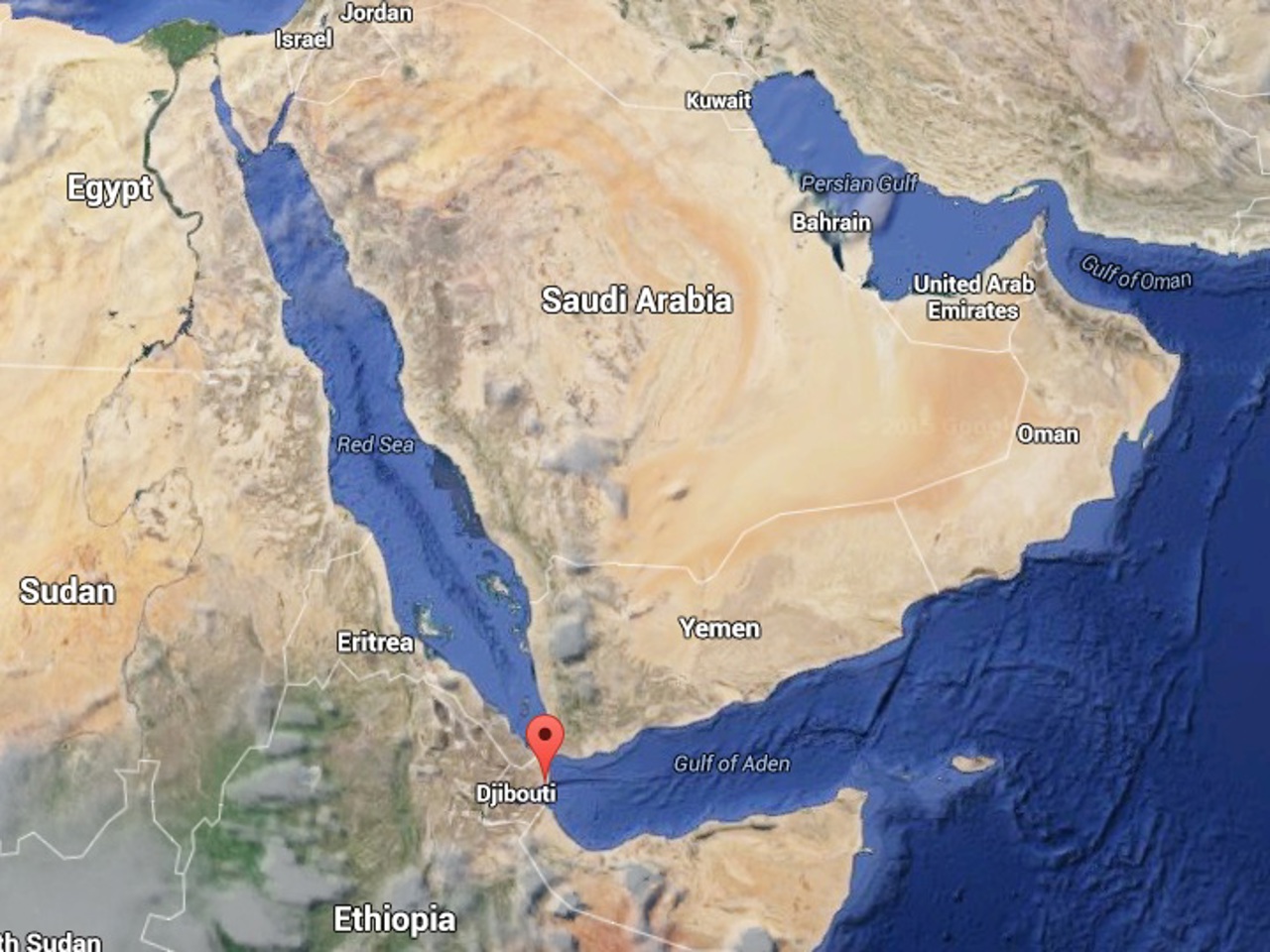
Yemen’s Iran-backed Houthi rebels announced a maritime blockade against Saudi Arabia on July 20, threatening global energy supplies and international trade beyond the Persian Gulf.
The escalation follows heavy US military casualties. On Monday, the Pentagon identified two American soldiers killed in Jordan during an Iranian strike, while a fourth service member died in northern Iraq during a controlled ordnance detonation.
In response, the Saudi-led coalition vowed to enforce protective naval measures around the Bab el-Mandeb Strait, a crucial corridor for Saudi crude exports currently functioning under heightened risk due to the effective closure of the Strait of Hormuz.
Energy markets and diplomatic maneuvers
A full closure of the Bab el-Mandeb Strait would cut global oil supplies by approximately 7%, halting the majority of Saudi maritime shipments.
Despite the military escalation, diplomatic channels between Washington and Tehran remain active. High-level mediators recently submitted a 10-day ceasefire proposal to Iranian officials aiming to restore the previous truce.
Crude oil prices spiked following the Houthi announcement before stabilizing as market analysts weighed the likelihood of a diplomatic breakthrough.
Broader regional implications
US President Donald Trump reiterated a stern warning against further attacks on American personnel, reinforcing military deterrence while managing domestic pressure over rising fuel costs.
Concurrently, Lebanese President Joseph Aoun is scheduled to meet President Trump at the White House on Tuesday, July 21, to present a framework addressing Hezbollah’s disarmament and Israeli troop withdrawals.
In Gaza, Hamas named Khalil Al-Hayya as its top leader, a strategic appointment that analysts suggest signals a hardened stance against international calls for disarmament.
Translation by Iurie Tataru