Parliament gives final approval to a €40 million EIB loan to renovate 20 schools in Moldova
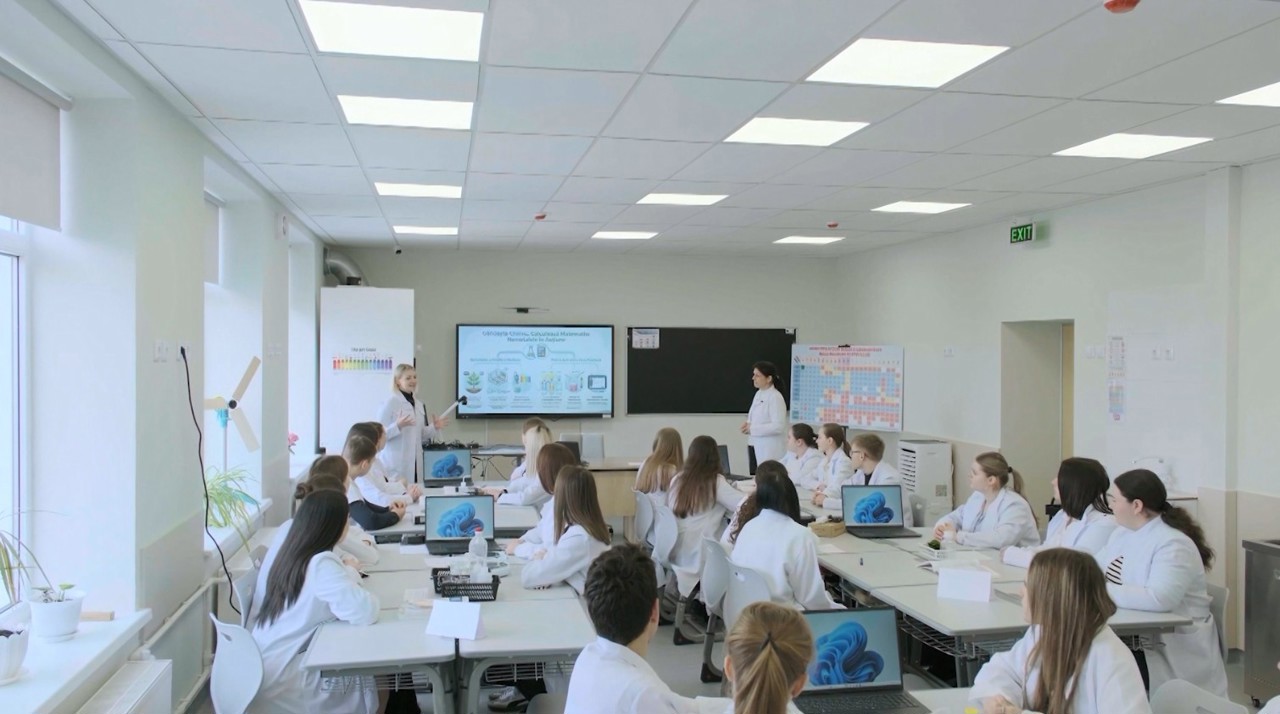
Thousands of students from 20 educational institutions in the Republic of Moldova will benefit from improved study conditions following Parliament's ratification of a financing agreement. On July 23, 85 out of 93 deputies present voted in favour of the agreement with the European Investment Bank (EIB), which is valued at 40 million euros. The funds will be allocated for the capital renovation of the institutions participating in the "Model Schools" network.
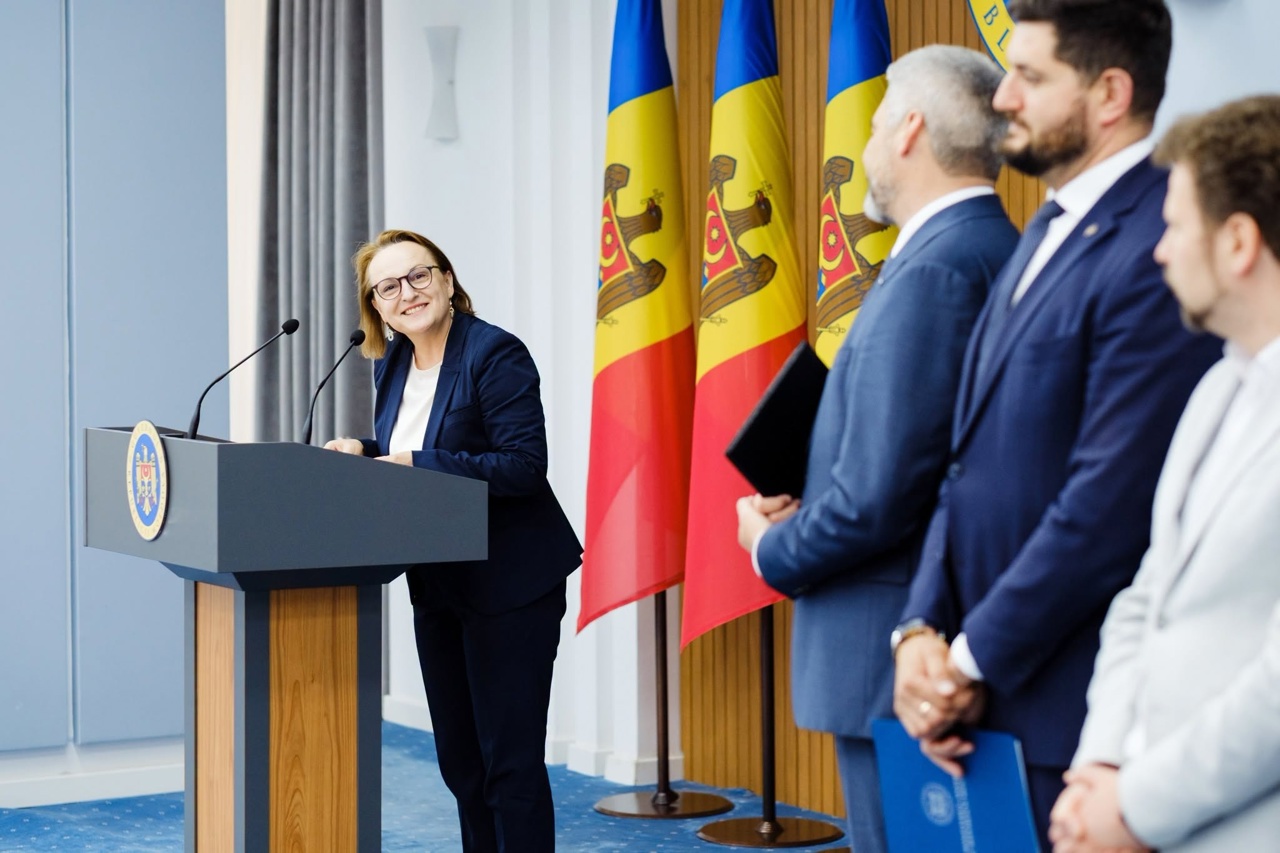
The project will be implemented starting in 2027 and aims to modernize the 20 institutions included in the network of 90 model schools in the country, the Minister of Education and Research, Dan Perciun, stated in Parliament.
"The money will go for very concrete things: capital renovations, energy efficiency, modern equipment, space arrangement, furniture. Except for vocational training, we will do this from the state budget, because this project is predominantly oriented towards infrastructure and equipment", explained Perciun.
The works will include thermal insulation of buildings, modernization of heating systems, renovation of classrooms, equipment of laboratories, development of digital infrastructure, improvement of accessibility and arrangement of study spaces adapted to European standards.
According to the minister, of the 20 selected institutions, nine are from Chisinau municipality, and another 11 are located in different districts of the country.
*“The justification for selecting these institutions is related to the current quality of the study conditions and the objective is to be able to invest in order to increase the number of students and to unload the nearby institutions. They are, as a rule, the second-largest school in the district to be selected for the network of model schools. Our vision is to have at least 90 institutions throughout the territory of the Republic of Moldova that meet the standards,” said Perciun.
The minister also explained that the authorities have accumulated several sources of financing for this objective in recent years.
“We have been busy in these three years seeking funds from all partners in order to be able to cover the investment needs. Therefore, we have a rather fragmented portfolio, a mix of grants and loans that we attracted to cover the necessary investment costs”, added the minister.
Deputies seek clarification on school selection criteria
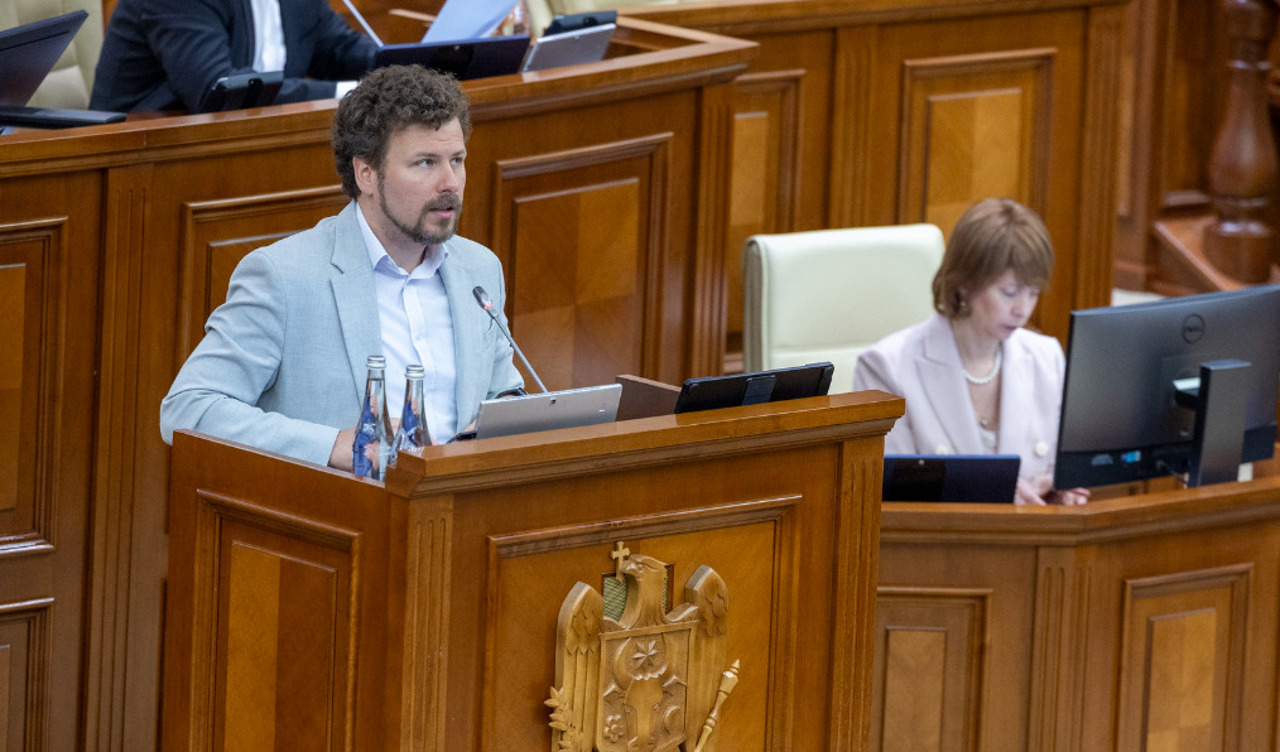
During the discussions, Our Party deputy Constantin Cuiumju inquired about the criteria used to select schools for investments. He questioned why some schools with fewer than 400 students are included in the funding, while other institutions facing significant technical issues are not.
"If the ministry already accepts that the threshold of 400 students can be exceeded in certain cases, why didn't you analyze the actual statistics of schools in Moldova from the beginning, where the average enrollment is between 200 to 300 students? Why didn't you consider the actual wear and tear of the buildings and their technical condition as the primary criterion?" the deputy asked.
In response, Dan Perciun explained that the goal of the project is to strengthen larger institutions that can serve as regional centers. He noted that, as part of the reorganization of the school network, more students are expected to be transferred to these institutions.
"Through these major investment projects, we are focusing on larger schools that currently have a significant number of students and the capacity to accommodate even more. These institutions are envisioned as regional hubs, and we anticipate that student enrollment will increase in the coming years. With fewer gymnasiums and more primary schools, we expect more children from gymnasiums to transition to these educational institutions, which are designed to serve as district schools," said Perciun.
The minister also clarified that additional funding programs are available to other institutions.
"For all other institutions, we have the European Village program, which has facilitated significant investments. We annually allocate funds for renovations to sanitary facilities, and the competition for these funds is open. There is no differentiation in terms of access to facilities; all schools have the opportunity to benefit," he explained.
The deputy of the Alternative Bloc, Alexandr Stoianoglo, raised concerns about the fairness of the distribution of selected institutions, noting that only two schools from Gagauzia are included on the list.
“I observed that only two schools from Gagauzia are listed, while some urban centers with smaller populations have three schools included,” said Stoianoglo.
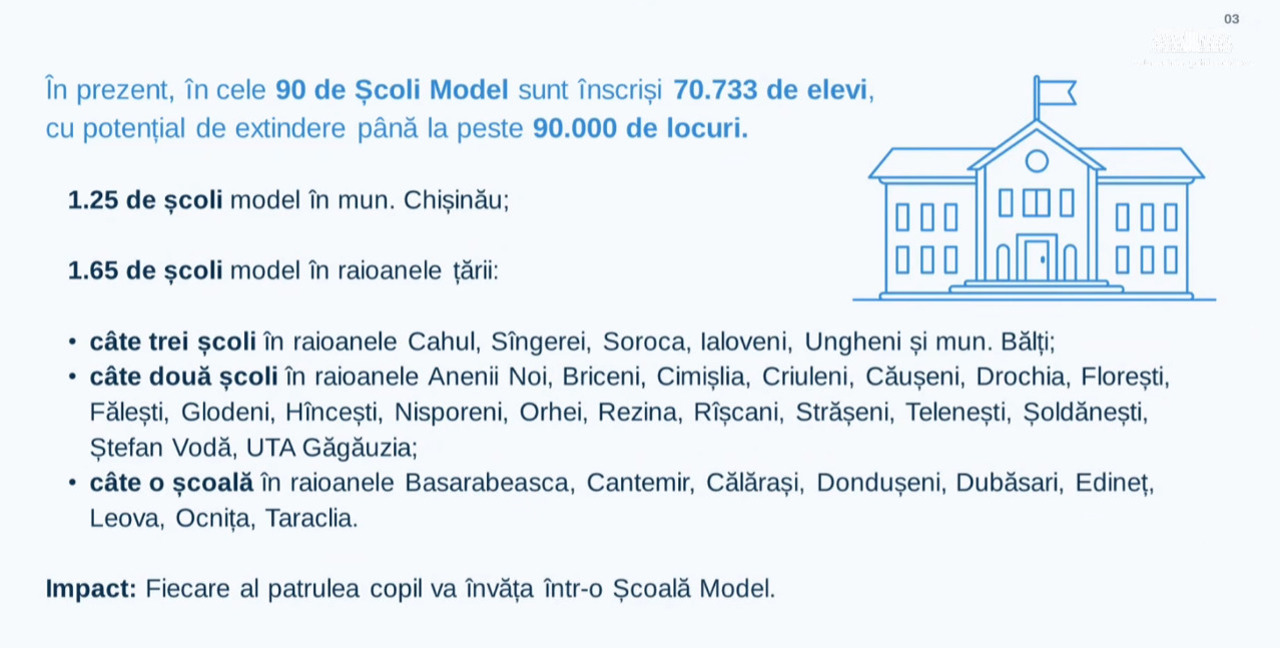
In response, Dan Perciun stated that the authorities aimed for a balanced territorial distribution. He explained that out of 90 model schools, 25 are located in Chisinau municipality, while the remaining 65 are situated outside the capital.
“We aimed to cover all districts with approximately two educational institutions each. In some areas, there may be more schools, and in others, fewer. We do not favor one district over another; we strive to be as fair as possible. Our consideration is based not only on population numbers but also on geographical distribution. Each district, including Gagauzia, is viewed as a whole,” Perciun clarified.
The minister further mentioned that the authorities in Chisinau have allocated additional resources for the modernization of educational institutions in Gagauzia. As part of the "Model Schools Network" project, the two beneficiary schools in the region were among the first to receive modernization. Additionally, the Ministry of Education and Research will seek further resources to increase investments in the educational infrastructure of Gagauzia.
Action and Solidarity Party MP Marina Morozova inquired whether the project would enable the modernization of laboratories in Chisinau schools, which she noted were in poorer condition compared to some renovated institutions in the districts.
"I visited the laboratories in Drochia, at the model school. The renovated chemistry, biology, and physics laboratories, supported by partners, are exceptional. Unfortunately, the laboratories in Chisinau schools look different," said the MP.
The Minister of Education and Research responded that the institutions in the capital included in the project would receive renovations and new equipment.
"These nine schools in Chisinau will benefit from renovation and updated equipment, bringing them closer to what you saw in Drochia. This year, we launched a 15 million lei competition to renovate physics, chemistry, and biology laboratories. We have 40 institutions registered, with the ministry covering half of the costs and the local public authority covering the other half," the official stated.
Project planned for six years
Alternative Bloc MP Olga Rusu questioned the decision to plan the project over a six-year period, mentioning that similar projects in Chisinau were completed in approximately three years.
"The last model school financed through this project will be operational by 2032. If we compare this with the projects completed in Chisinau, they were implemented in three years or three years and ten months. Why can't we shorten this timeline?" the MP asked.
Minister Perciun replied, "Our aim is to meet the three-year deadline. A longer timeframe is often considered because infrastructure projects can encounter various challenges, such as delays, issues with contractors, or unforeseen circumstances."
The total investment value for the 20 institutions exceeds EUR 50 million. This funding will be sourced from a EUR 40 million loan from the European Investment Bank (EIB) on favorable terms, a EUR 3.5 million grant from the Neighbourhood Investment Platform, and an EUR 8 million contribution from the Growth Plan supported by the European Union.