108 schools receive robots, 3D printers and smart labs
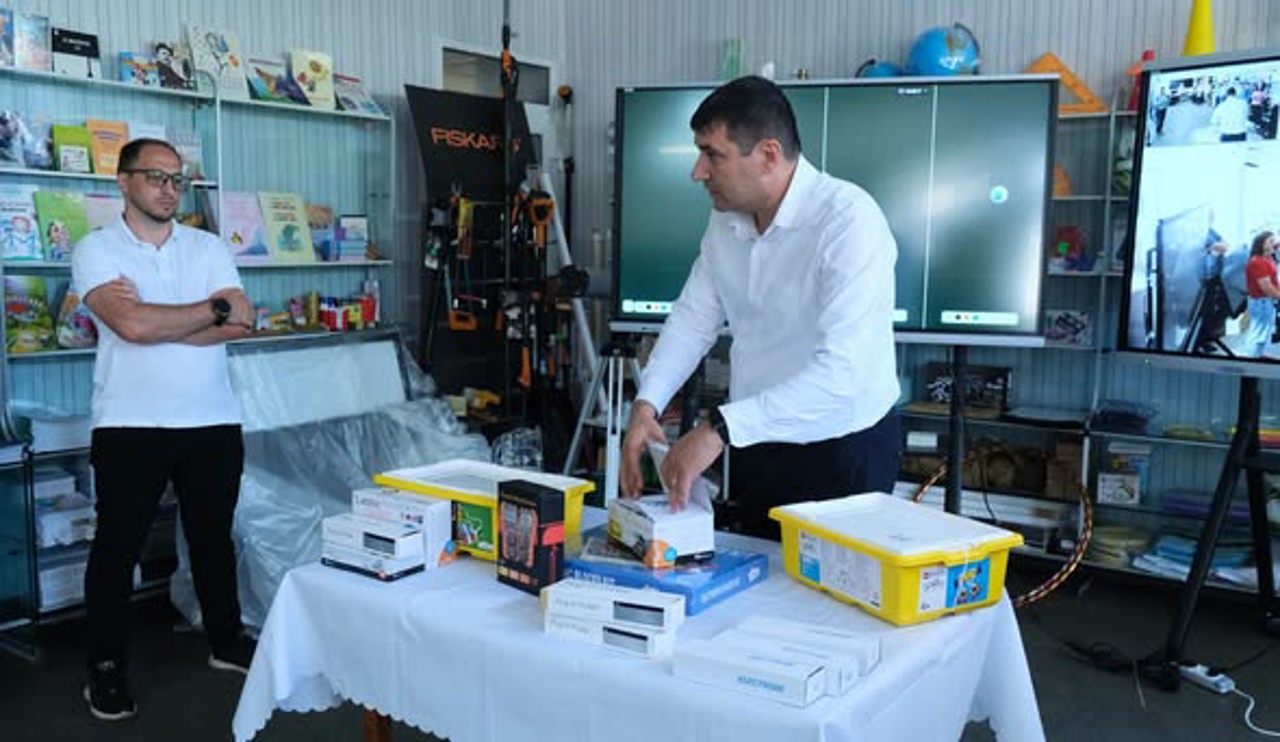
Beginning this fall, students from 108 schools across the country will gain access to modern equipment that will enable them to experiment with digital sensors, build and program robots, and create objects using 3D printers. This initiative represents an investment of approximately 4.8 million lei, funded with support from the World Bank and the Global Partnership for Education.
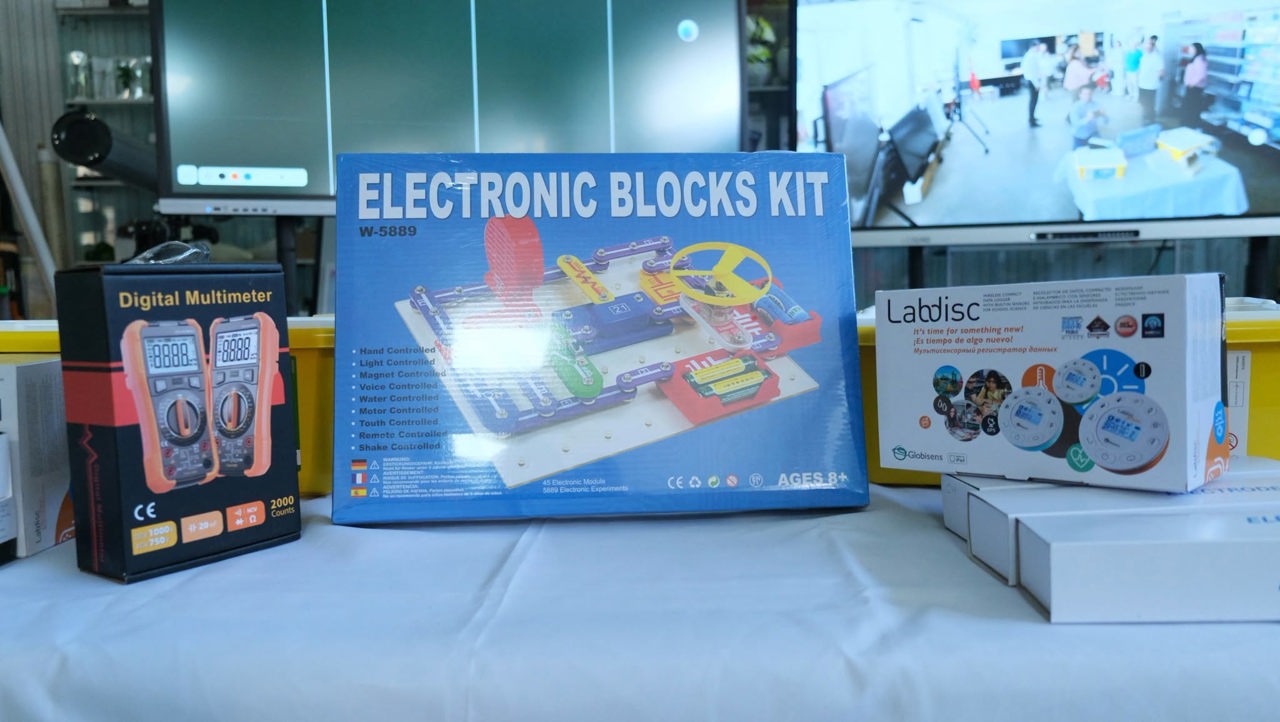
The equipment was distributed by the Ministry of Education and Research (MEC) as part of the "Improving the Quality of Education" Project (EQIP). The batch delivered to 108 institutions includes robotics kits, electronic circuit kits, Labdisc multifunctional platforms for experiments in physics, chemistry, and biology, multimeters, digital microscopes, and 3D printers.
These new technologies will be utilized in lessons and interdisciplinary projects. Students will have the opportunity to conduct measurements, analyze data, build and program robots, and learn how to turn a digital project into a tangible object using 3D printers.
"Through these resources, we aim for students to learn science and technology through practical experiences, not just from textbooks," declared Valentina Olaru, State Secretary at the Ministry of Education and Research.
According to her, this equipment contributes to the development of critical thinking, creativity, and the skills necessary for "professions of the future."
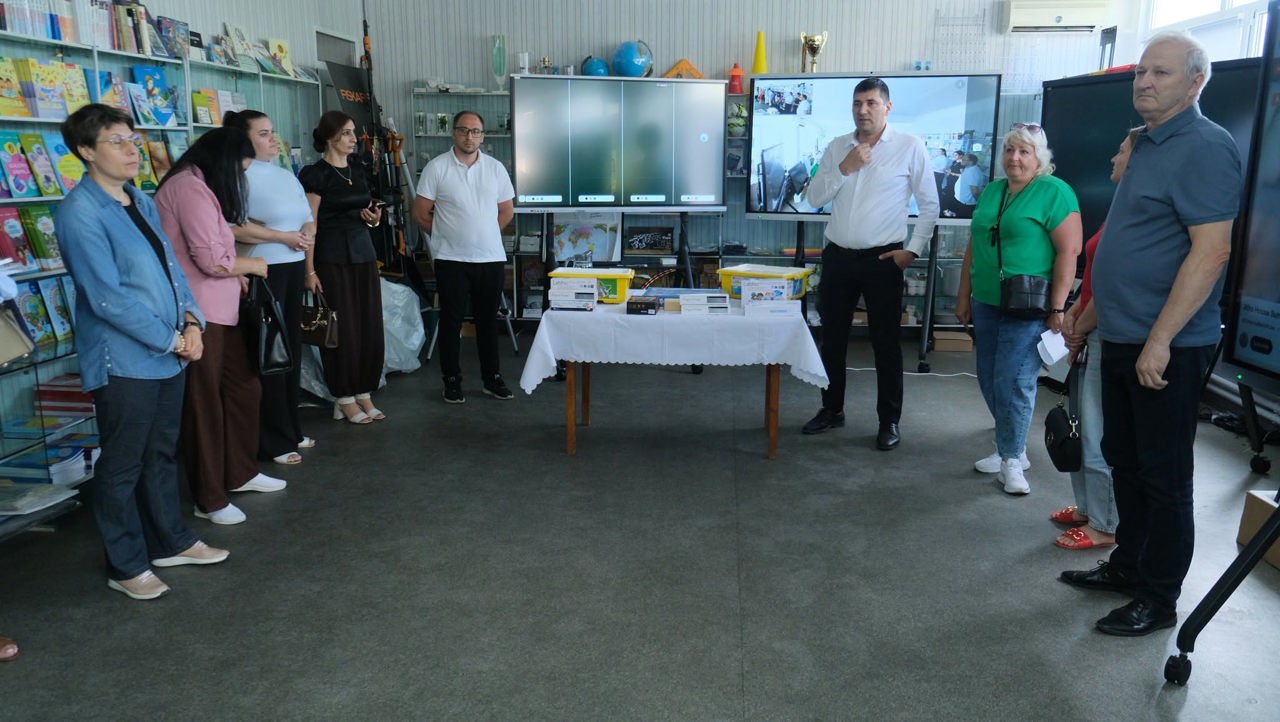
Labdisc multifunctional platforms are equipped with sensors that measure various parameters, including temperature, light, and pressure. The data collected during experiments can be displayed graphically, allowing students to observe, compare, and analyze the phenomena they are studying.
Using the LEGO Education SPIKE and SPIKE Essential sets, students can build and program mechanisms and robots. These will be utilized in computer science, robotics, and technology education classes, as well as in interdisciplinary projects.
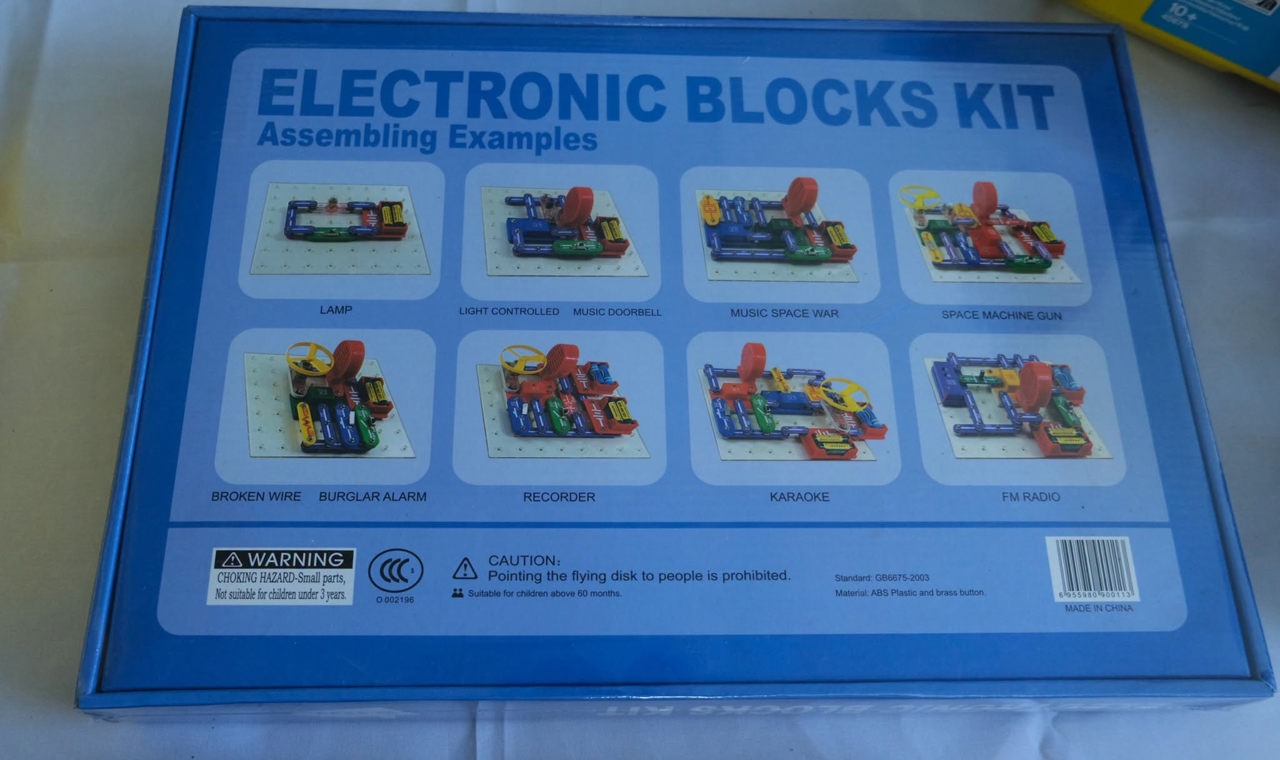
Additionally, electronic circuit kits for physics and digital multimeters will enable students to learn about electrical circuits by measuring voltage, current, and resistance.
Portable digital microscopes will allow students to examine plants, insects, crystals, and other samples, both in the laboratory and during outdoor activities.
In 2024, 108 institutions were selected through a public competition organized by the Ministry of Education and Research. These institutions received various resources, including IT equipment, interactive whiteboards, science laboratory equipment, furniture, and teaching and learning materials.
These new beneficiaries join the 200 educational institutions included in the "Improving the Quality of Education" Project (EQIP). This initiative primarily supports schools with a high number of at-risk students, students with special educational needs, and refugee students, as well as institutions that have not received any equipment in the past five years.