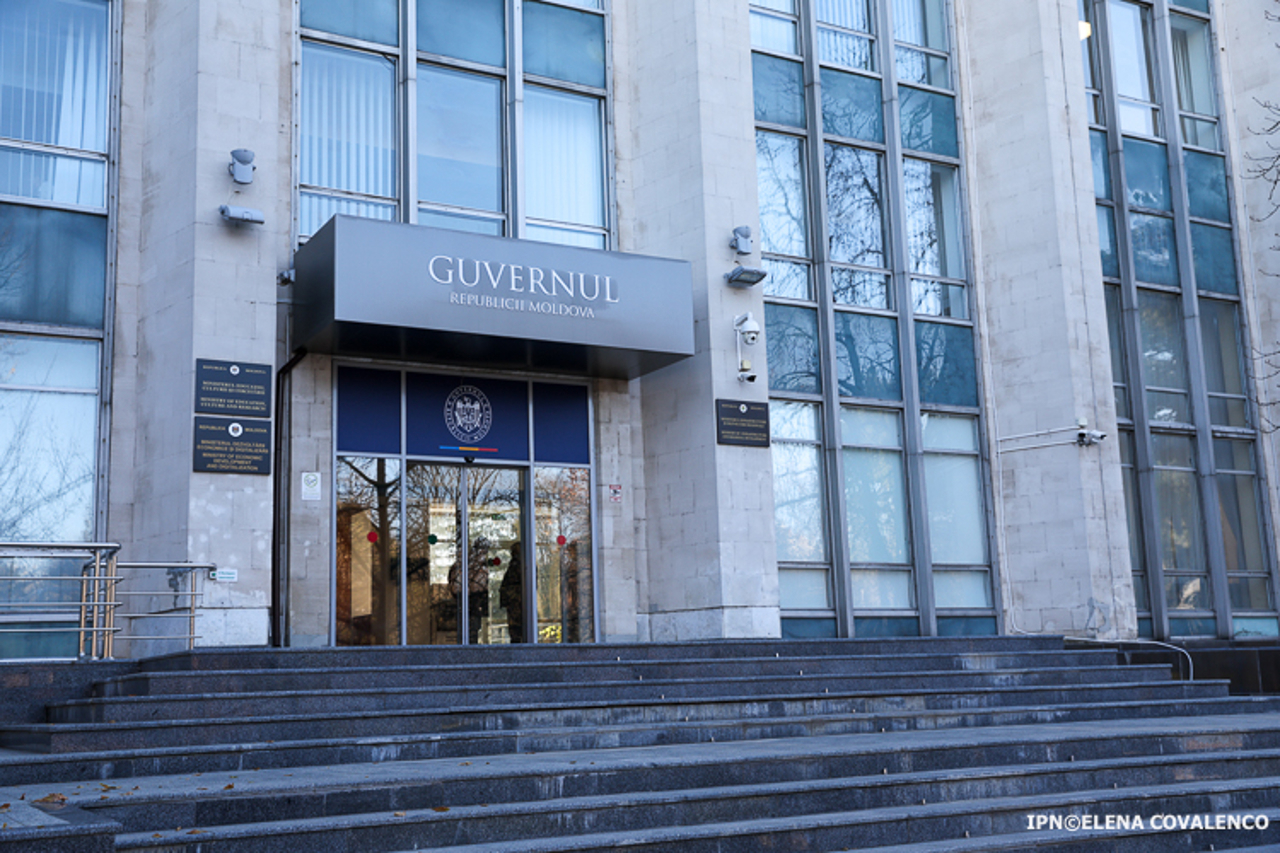
Health Ministry proposes new certification system for medical professionals
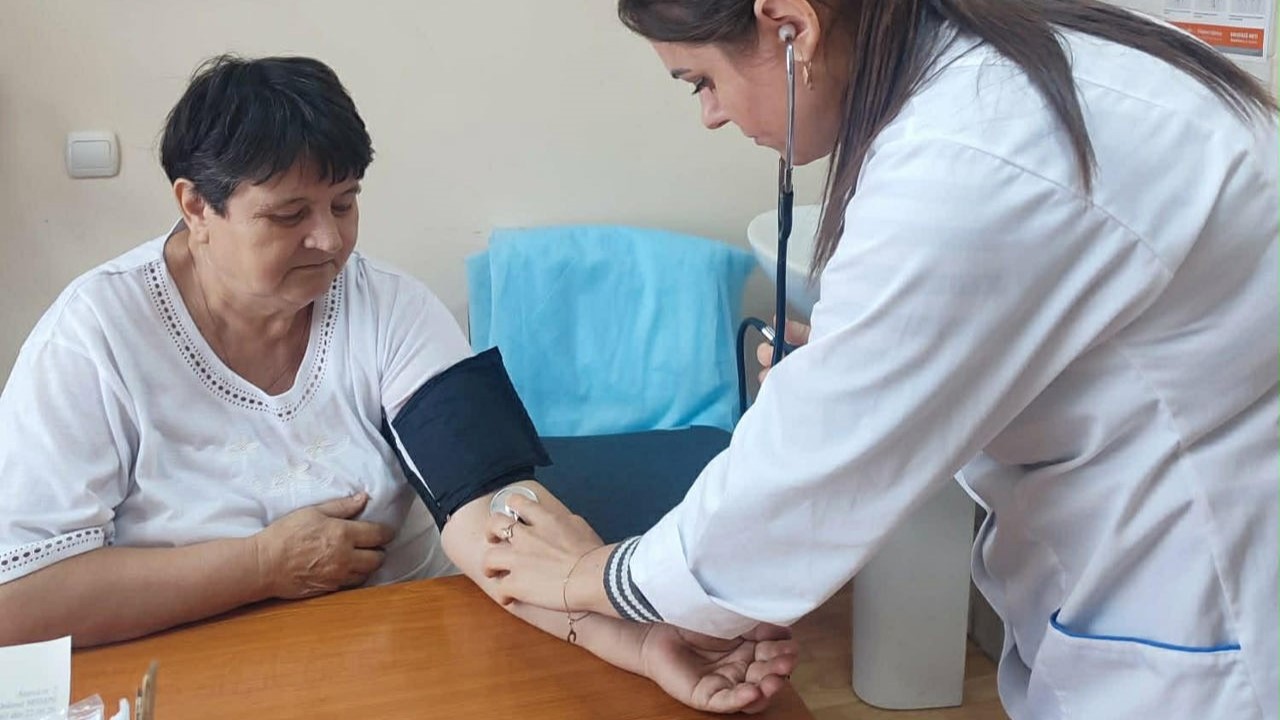
Healthcare professionals, including doctors and pharmacists, will be required to follow a new professional certification system. The Ministry of Health is proposing the implementation of a national professional card that will be valid for five years. This card will confirm an individual’s right to practice and facilitate quick interventions in case of any suspension or modification of this right.
The initiative was voted on by Parliament during the first reading held on July 24. The Minister of Health, Alexandru Gasnaș, stated that the project aims to facilitate professional mobility within the medical system and to help reintegrate doctors from the diaspora.
"We must foster greater trust between patients and doctors. This reform is not merely about transposing a European directive; it is about enhancing trust in the medical profession and in the doctors who assist patients," the minister said.
The professional card will be generated electronically, allowing authorized persons and institutions to verify a doctor's right to practice within the medical system.
If there are suspicions of medical errors or other situations that restrict the right to practice, the card may be suspended. After three suspensions, it can be revoked. Additionally, the card may be withdrawn if there is a prolonged interruption in professional activity.
The legislative initiative also promotes an integrated system for recognizing qualifications.
"We will implement automatic recognition procedures for professions that are harmonized at the European level: doctors, dentists, pharmacists, general nurses, and midwives. A general recognition regime will be established for other professions, allowing for adaptation periods or aptitude tests if there are significant differences in training hours or curriculum," the minister explained.
Distinct regulations will be set for practicing the profession on a permanent, temporary, or temporary-occasional basis, including for academic purposes, to facilitate academic mobility.
"In terms of the expected impact, this will be the first step towards a Malpractice Law, as it will establish a legal framework, defined certification, and interventions that will serve as the foundation for the law we envision," declared Alexandru Gasnaș.
Deputy Adrian Belîi, Chairman of the Committee for Social Protection, Health, and Family, noted that the new mechanism will allow doctors to leverage their professional training, while employers and patients will have a clearer understanding of their skills.
"Together, these measures will enable us to ensure better management of human resources, invest in the acquisition of new skills, and monitor the qualifications of medical personnel. This also provides significant legal protection for medical workers, as this classification and record will form a fundamental basis for further discussions on professional insurance for medical personnel," said Adrian Belîi.
He also mentioned that the new mechanism will help reduce conflicts between patients, society, and medical personnel in the event of litigation. Furthermore, it will facilitate better planning for professional training and career development, and the alignment of training with the actual needs of the medical system.