From Cold War border to UNESCO site: Germany's Green Belt
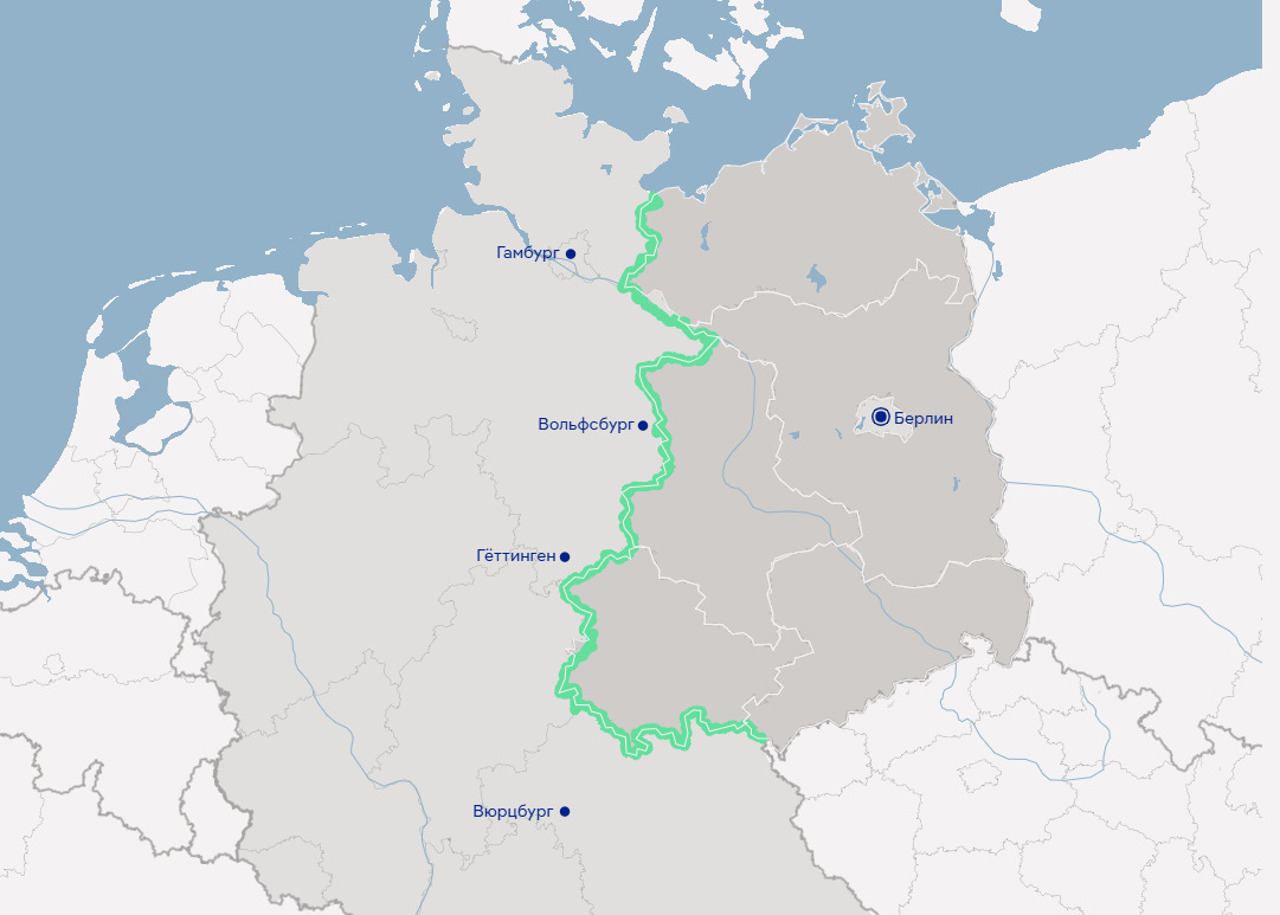
Germany is seeking UNESCO World Heritage status for its Green Belt (Grünes Band), a 1,400-kilometer ecological corridor stretching along the former border between East and West Germany.
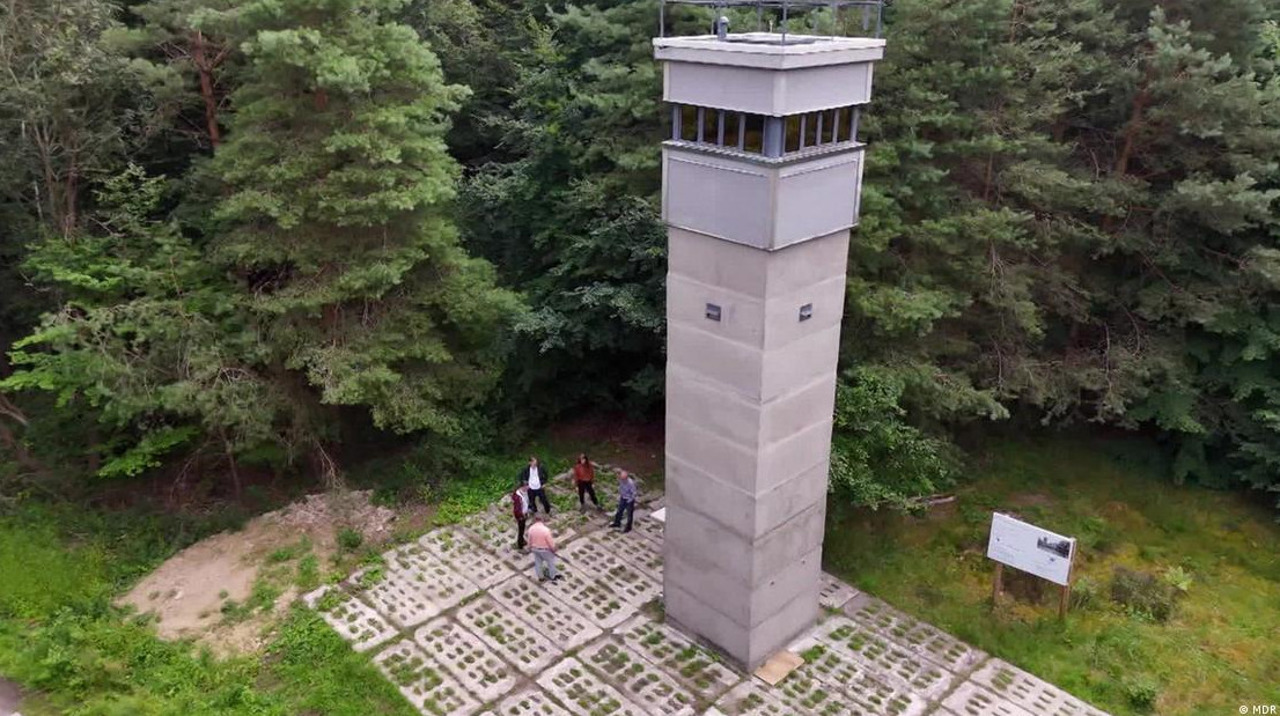
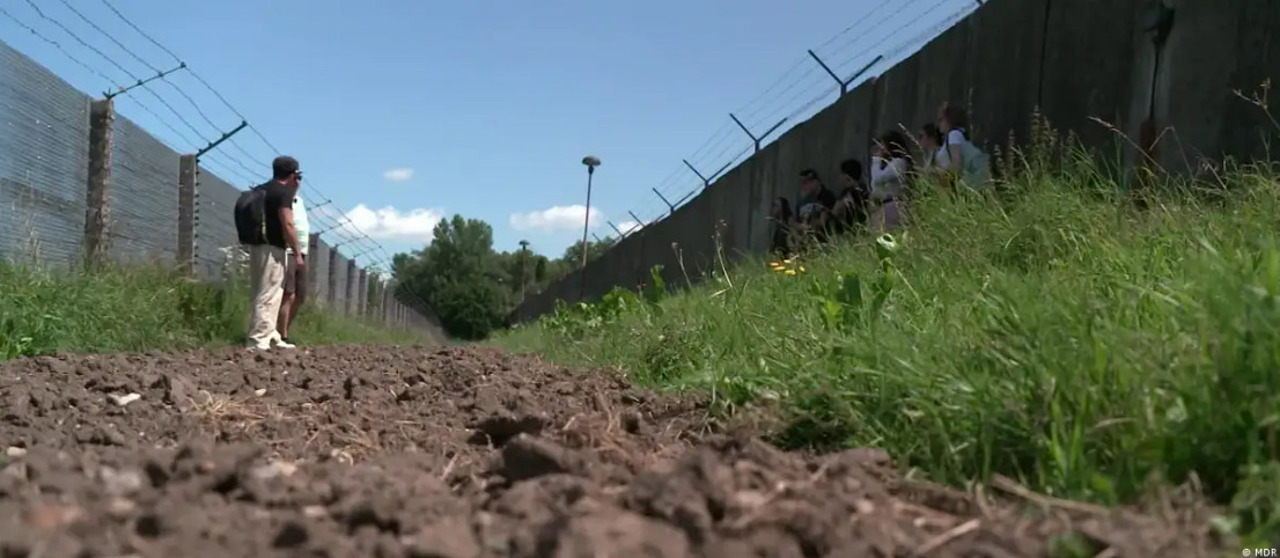
Once part of the heavily fortified "death strip" designed to prevent East German citizens from fleeing to the West, the strip has transformed into one of Europe's most vital natural sanctuaries.
Divided for over four decades during the Cold War, the former frontier between the German Democratic Republic (GDR) and the Federal Republic of Germany (FRG) saw more than 300 people lose their lives attempting to cross. Today, former guard watchtowers and memorials stand alongside thriving ecosystems.
From militarized border to biodiversity sanctuary
Decades of strict military isolation inadvertently preserved vast stretches of untouched terrain. The corridor now shelters roughly 7,500 species of insects and spiders, including 580 categorized as rare or endangered.
Threatened species such as the European otter, European wildcat, red-backed shrike, and northern lapwing have found a rare haven within the strip. According to Germany’s Federal Ministry for the Environment, 88% of the area already holds official conservation status.
"The death strip, which was once an impassable obstacle for humans, has turned into a space that unites," said Andreas Heil, a departmental head at the Federal Environment Ministry.
Preserving crucial wetlands and European corridors
Near Salzwedel in Saxony-Anhalt, the Green Belt encompasses a 400-hectare peatland reserve accessible via wooden boardwalks. The area was historically threatened by agricultural drainage during the 19th and 20th centuries.
Visitors can also cycle along the former patrol paths once used by East German border guards. Officials emphasize that the area forms part of the broader European Green Belt, which spans 12,500 kilometers across 24 countries along the former Iron Curtain.
Environmental organization BUND (Friends of the Earth Germany) has played a key role in purchasing border plots since 2000, now managing roughly 1,000 hectares within the zone.
Ongoing conservation challenges
Despite its success, the Green Belt faces continuous pressure from surrounding intensive agriculture. Unprotected sectors risk fragmentation, creating barriers for wildlife movement.
In response, the states of Thuringia, Bavaria, and Saxony recently agreed to secure permanent protection for a key 95-kilometer segment.
The initiative carries an estimated cost of €1 million (approx. 19.6 million MDL), with 75% funded by the German federal government to ensure the corridor remains intact for future generations.
Translation by Iurie Tataru