Manufacturing leads optimism in Moldova's Q3 business survey
Moldovan businesses expect broadly stable conditions in the third quarter of 2026, with only moderate optimism on sales and prices, according to a National Bureau of Statistics (BNS) business tendency survey of enterprise managers. Employment is expected to hold roughly steady.
The survey measures sentiment, not forecast growth: each figure below is a balance of opinion — the share of managers expecting an increase minus the share expecting a decrease — not a projected percentage change. On that scale, the general economic situation stands at a balance of +5, sales revenue at +7, and prices at +9, while employment sits at -5, consistent with the "relatively stable" outlook managers reported.
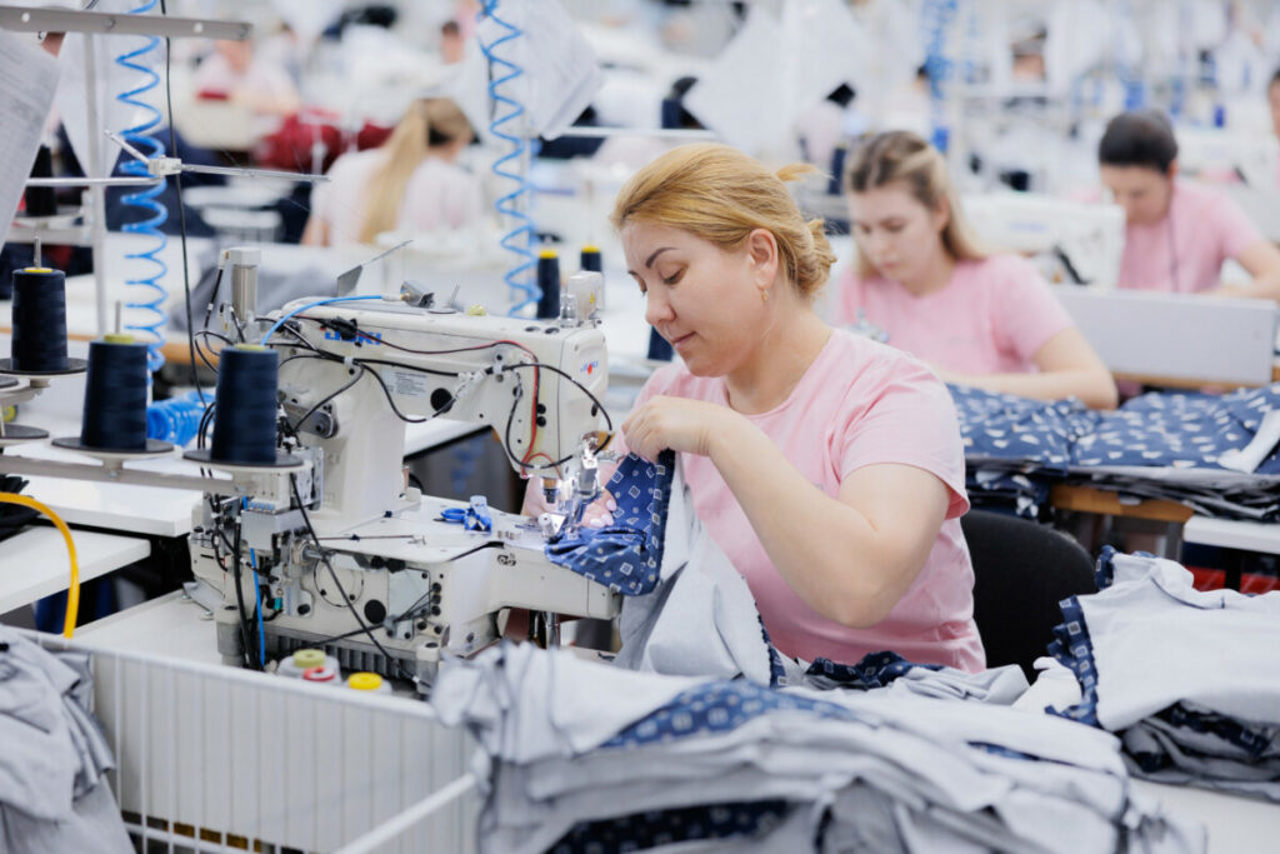
Manufacturing is the most optimistic sector: its activity balance reaches +16, with sales at +15 and prices at +10. Employment there is expected to hold steady, at +1.
Construction managers also see moderate gains in activity (+7) and sales (+12), with employment steady (-3). But construction prices carry the highest balance of any sector, at +21.
Retail and services report the most subdued outlook: a balance of +3 for the general situation and +4 for sales, alongside a balance of +7 for prices and -6 for employment.
Larger firms are the most optimistic by size. Companies with 250 or more employees post balances of +14 for activity, +17 for sales, +8 for employment and +6 for prices. Medium-sized firms (50–249 employees) report +12, +10 and +6 for activity, sales and prices respectively, with employment steady at -1. Small (10–49 employees) and micro firms (up to 9 employees) were more muted, both posting an activity balance of +5, alongside falling employment balances (-6 and -4) and rising price balances (+7 and +11).
Beneath the overall stability, demand remains a weak spot: 54% of enterprises surveyed said they faced constraints on their activity in the second quarter of 2026. Insufficient market demand was the most common problem, cited by 33.9% of respondents, followed by financial difficulties (21.8%), a shortage of skilled labour (19%), the war in Ukraine (8.6%), and limited availability of the space or equipment they needed (6%).
Translation by Iurie Tataru