Parliament passes first reading of civic initiative bill
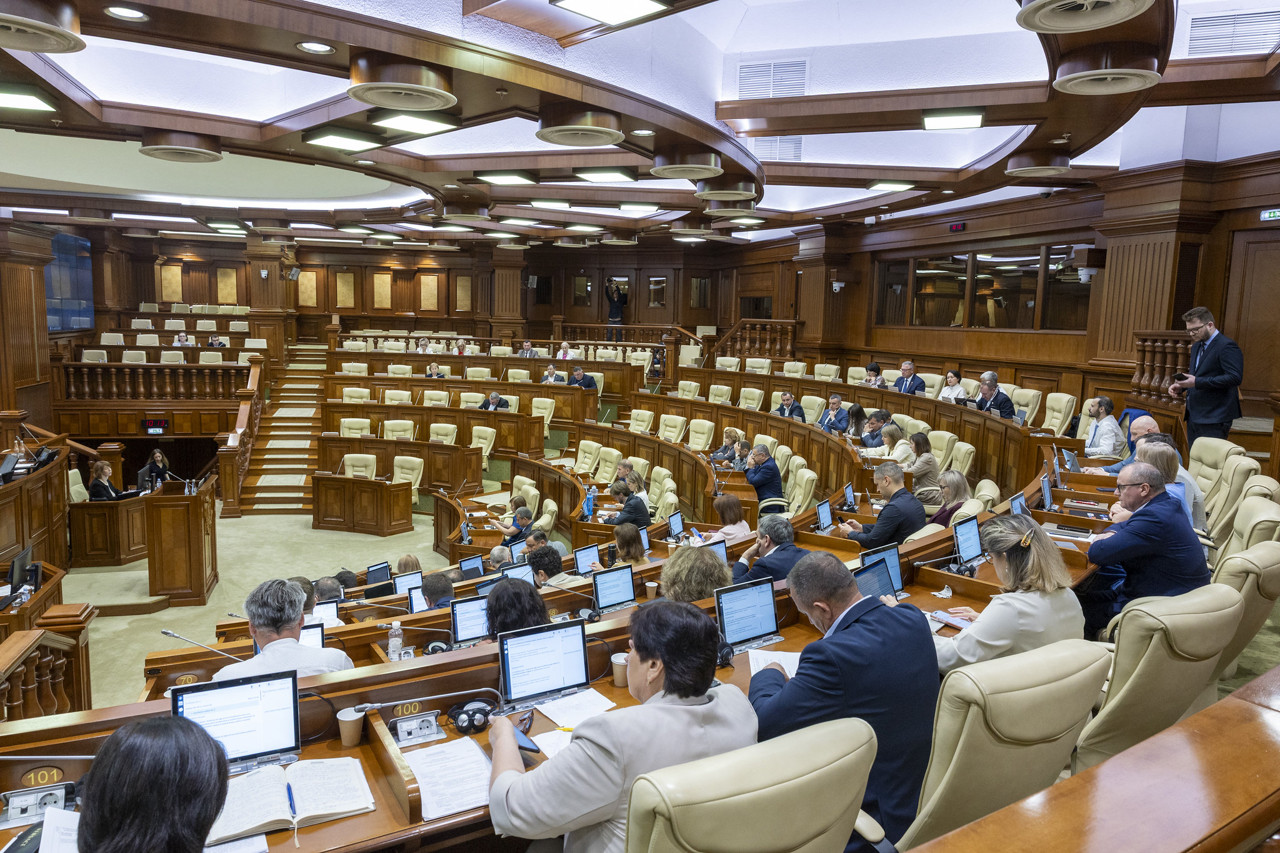
Citizens will play a more active role in the decision-making process. They will not only be able to participate in consultations on draft normative acts but also have the opportunity to propose initiatives for inclusion on the authorities' agenda. This provision is part of a draft law that has been voted on by Parliament in its first reading, introducing the concept of civic initiative into the legislation.
The Secretary of State of the Government, Daniel Rotaru, stated in the Parliament session on July 28 that, after 18 years of application of the legislation in force, the initiative proposes a change of approach in the decision-making process, by moving from a model focused on procedural transparency to one based on real participation and dialogue.
“We are not only discussing the obligation of the authorities to inform the public, but also about creating clear and predictable conditions through which citizens can effectively participate in the development of decisions that concern them,” Daniel Rotaru said.
The authorities highlight the broad and inclusive nature of participation. This is not reserved only for civil society organizations, but also involves citizens, local communities, representatives of the business environment, as well as any other persons interested in or affected by the decision in question. At the same time, the project introduces the notion of “specific groups.”
"It is known that certain categories of people, including people with disabilities or children, may encounter additional barriers to participation. Authorities will have to take these impediments and barriers into account and create appropriate conditions for the involvement of these people", the Secretary of State said.
The public consultation will be organized through two digital platforms. Particip.gov.md will ensure transparency and participation in decision-making processes, and e-Democracy will facilitate the tools for direct citizen involvement.
"Particip.gov is the main space for decision-making processes initiated by authorities, starting from the stage of decision-making and up to the adoption of the direct act. And the second, e-Democracy, is oriented especially for the direct participation of citizens", Daniel Rotaru said.
The initiative also establishes minimum deadlines for public consultation. At the initiation stage, the minimum term will be 10 working days for normative acts and 15 working days for policy documents. Subsequently, during the consulting stage of the already developed project, the term will be 15 days for normative acts and 20 days for policy documents. At the same time, through the civic initiative mechanism, citizens will be able to propose to the authorities the initiation of decision-making on issues of public interest.
"Therefore, the citizen will participate not only in the consultation of projects initiated by the authorities, but can also come and propose projects on the public agenda. This mechanism offers citizens a clear and regulated way to bring issues of public interest to the attention of the authorities", explained the Secretary of State.
The project, voted on in the first reading by 53 deputies, will be examined in the second reading and will enter into force on January 1, 2027. The regulations on the civic initiative will be applied from January 1, 2028, to allow the development of the digital infrastructure and the operationalization of the new module.