Iran secures $70m Chinese MANPADS deal to bolster air defense
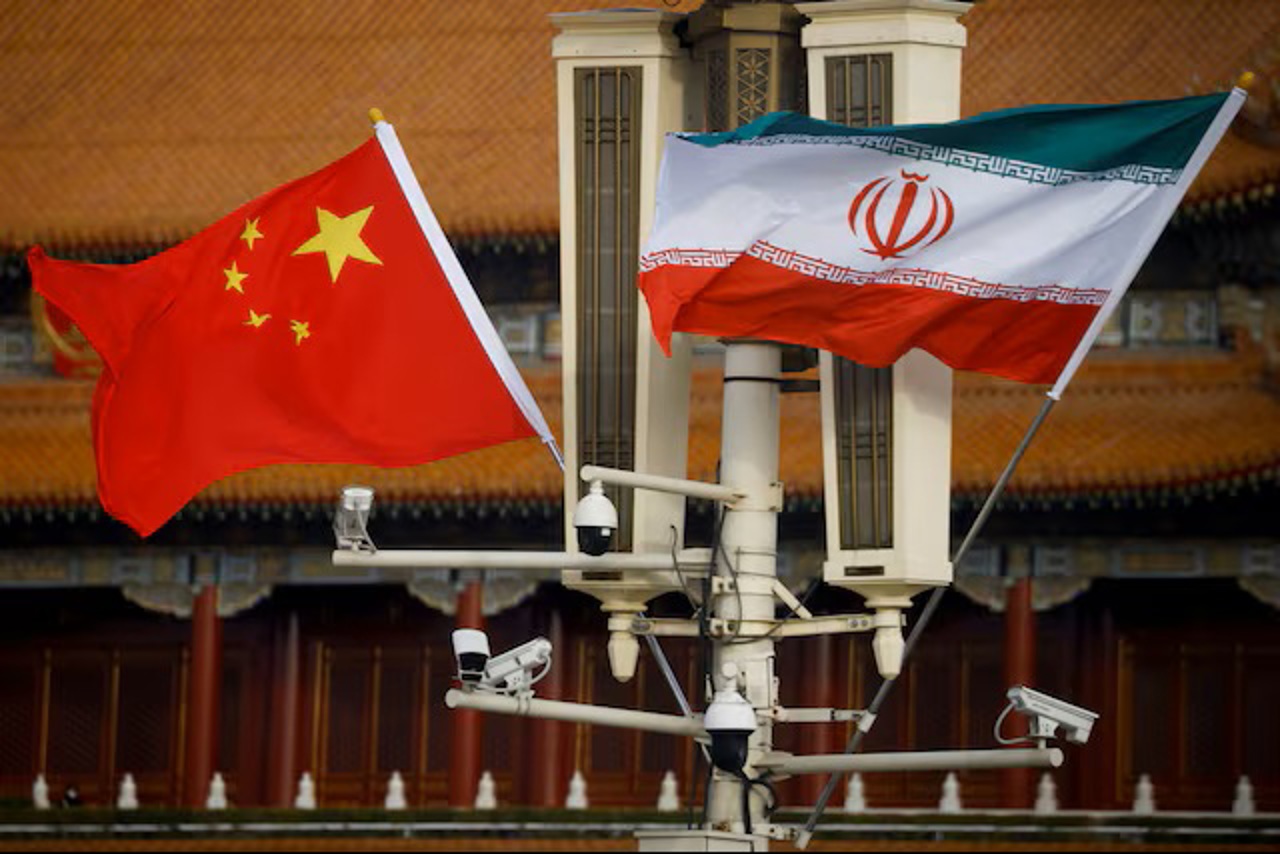
Iran is set to receive its first batch of up to 400 Chinese shoulder-fired anti-aircraft missiles within weeks under a $60 million to $70 million deal (€55 million to €65 million). The procurement marks Tehran's largest effort to rebuild its short-range air defenses following months of military exchanges with the U.S. and Israel.
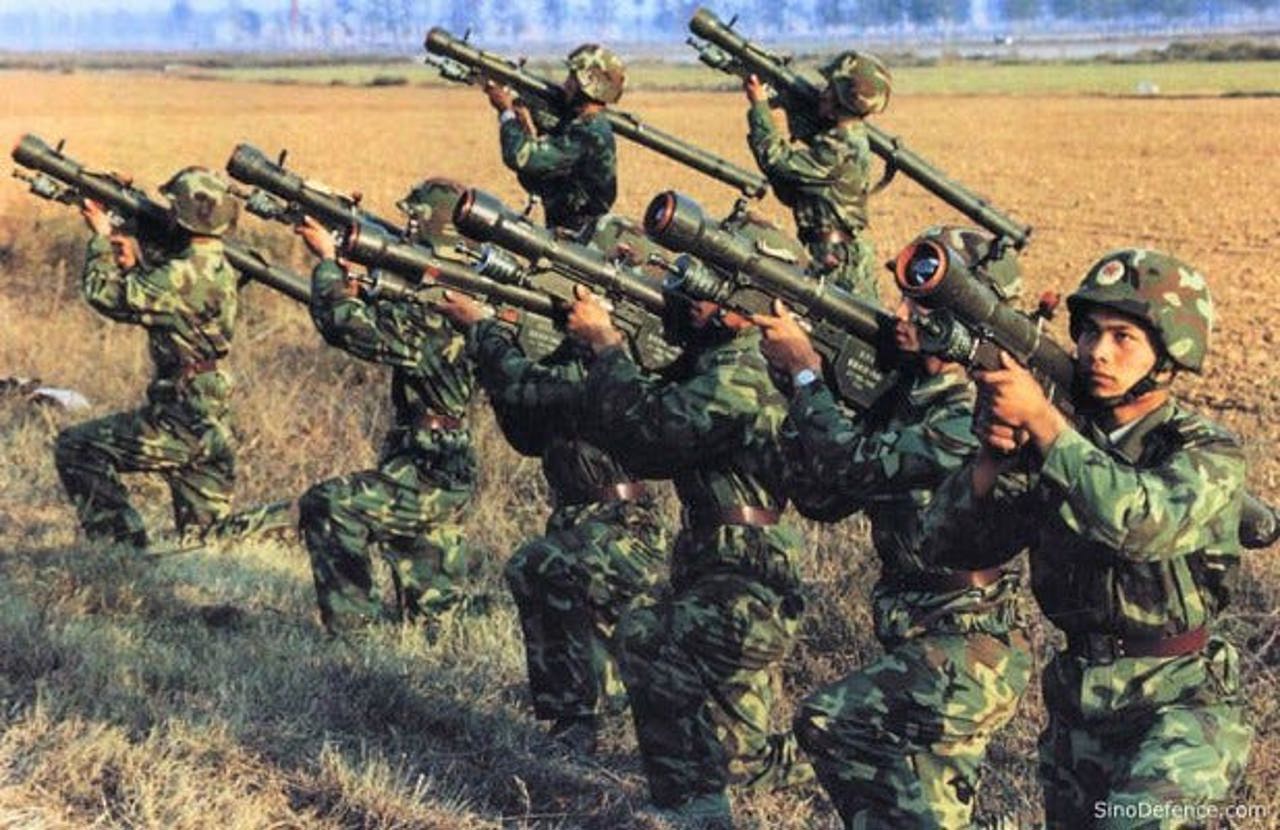
Middle Eastern security sources confirmed that the contract covers 300 to 400 Man-Portable Air-Defense Systems (MANPADS), specifically Chinese QW-12 and FN-16 models. The deal was brokered via Zhongqing Baoshang International Investment, a Hong Kong-registered intermediary acting on behalf of Chinese manufacturers, as reported by Reuters.
Diplomatic denials and transit routes
Iranian officials have not formally commented on the transaction, while China’s Foreign Ministry rejected the reports as "completely baseless," reiterating Beijing's commitment to regional peace. Similarly, the media wing of the Pakistani military (ISPR) dismissed claims that Pakistani airspace or territory would be used to transit weapons from Urumqi to Iran as fabricated.
Despite official denials, European security agencies confirmed awareness of ongoing negotiations between Iran and Chinese suppliers for QW-series MANPADS. Initial logistics plans indicate shipments are scheduled to be airlifted from western China through regional air corridors into Iran.
Tactical shift to mobile air defense
Months of precision strikes have highlighted the vulnerability of Iran's fixed military installations and air defense batteries. Portable infrared-guided systems like the QW-12 and FN-16 allow small two-person teams to deploy rapidly around critical infrastructure, energy sites, and command hubs.
While defense analysts consider the QW-12 less advanced than newer iterations like the QW-18 or QW-19, its deployment offers effective low-altitude defense against drones, loitering munitions, and helicopters. The deal underscores Iran's strategy of pairing domestic arms production with foreign equipment to overcome long-standing embargoes.
Translation by Iurie Tataru