Diaspora savings fuel new business wave in Moldova
An estimated 250,000 citizens have returned to the Republic of Moldova over the past five years, shifting from sending remittances to establishing local businesses. Over the last quarter-century, the Moldovan diaspora sent more than $56 billion back to their home country, with a growing share now directed toward private entrepreneurship.
From migration to local enterprise
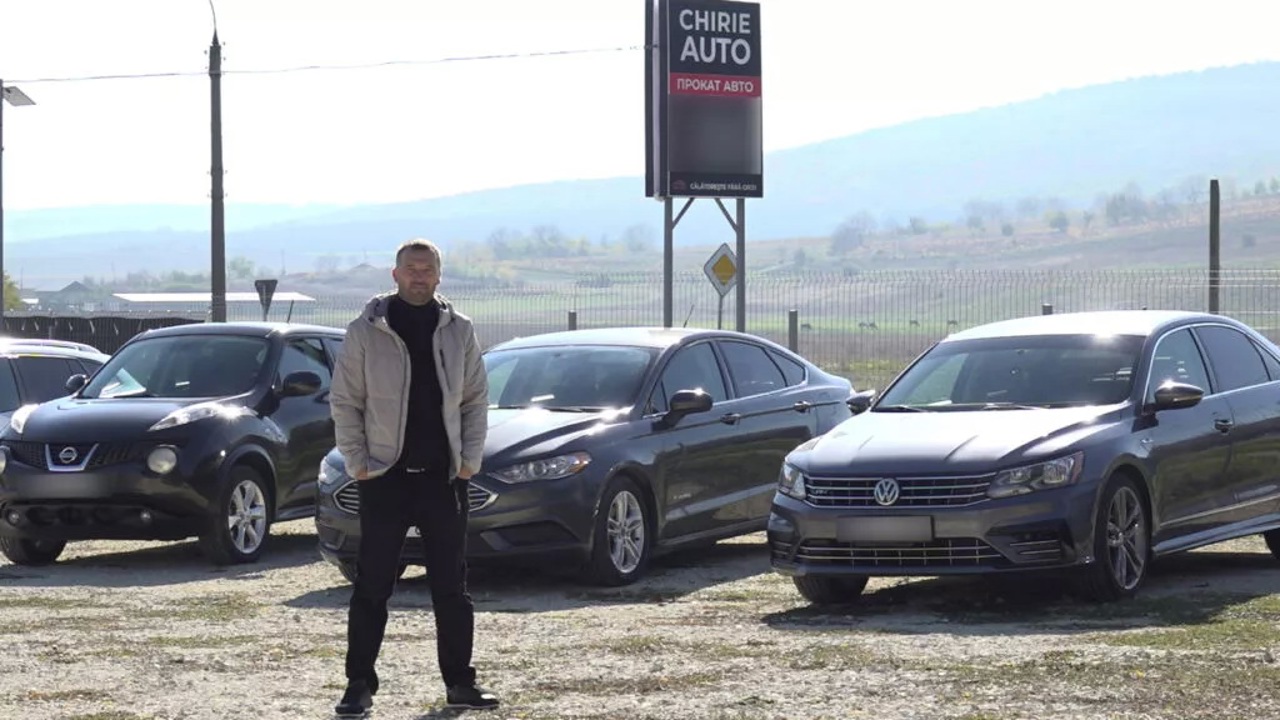
Sergiu Molnic returned home to the village of Prepelița, Sângerei district, after nearly two decades working in Russia and several European nations. He used his savings to establish a car rental business.
"At first it was difficult, and I feared I wouldn't find loyal customers. I kept thinking about the money I invested and the risk of failure, but we constantly strived to provide vehicles in flawless technical condition, fully inspected and compliant," Molnic told Radio Moldova’s Zi de Zi program.
Similarly, Nicolae Croitoru spent 16 years working in Italy before returning to Moldova to launch a furniture manufacturing firm. He combined personal capital with government matching grants to set up operations.
"There are state programs like PARE 1+1 and PARE 1+2 that offer grants to the business community. I didn't expect anyone to invest for me—I relied on my own savings—but the support provided through these programs was a major help," Croitoru stated.
Macroeconomic impact of the diaspora
Economic analysts stress that returnees and remittance inflows remain central to the country's economic stability. Economic expert Veaceslav Ioniță noted the long-term scale of these financial flows.
*"From 2003 through 2018, the money sent home by our relatives abroad exceeded the total sum of all salaries paid inside Moldova," Ioniță noted.
Ioniță estimates that total inflows from Moldovans abroad could reach approximately $3.5 billion in 2026, combining official bank transfers with unrecorded remittances brought into the country directly.
Financial analyst Dumitru Vicol highlighted the social and personal factors driving return migration among long-term emigrants.
"Even if you have been gone for a long time, you remain a stranger among strangers, despite having a well-paid job and being well integrated," Vicol said, emphasizing that returning home requires careful planning to align personal expectations with local realities.
Translation by Iurie Tataru