"Not every high salary is an abuse": Grosu on reforming the public sector pay system
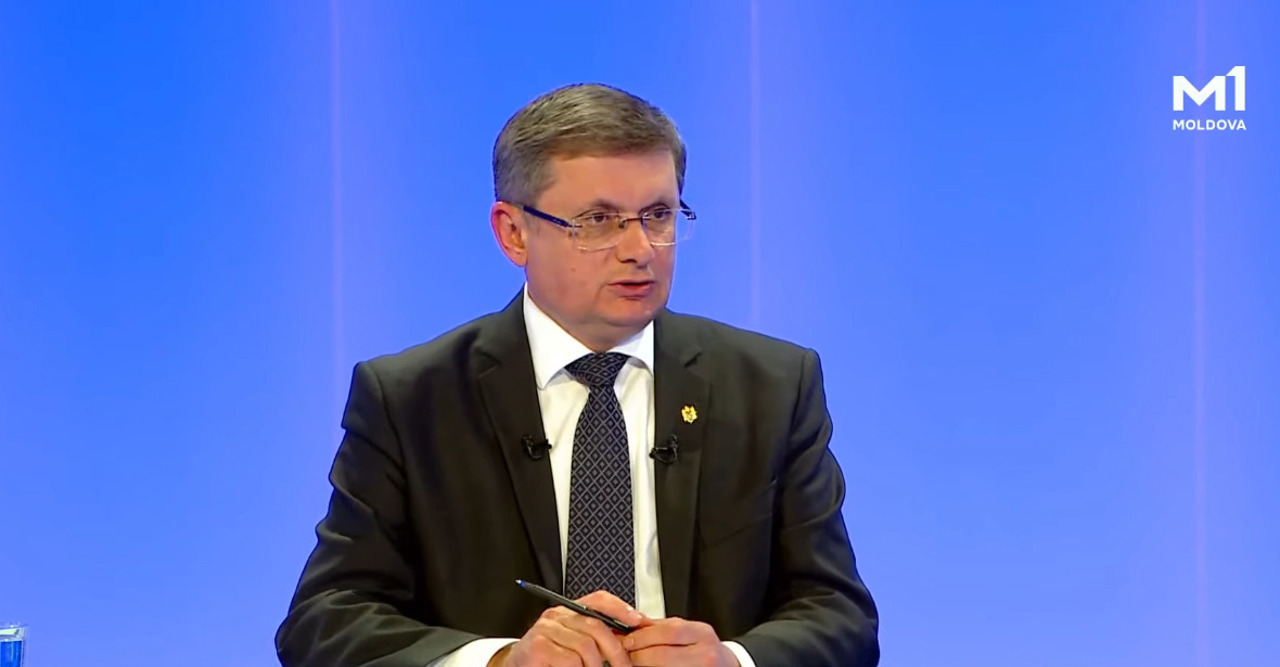
Parliament Speaker Igor Grosu stated in an interview with Moldpres that discussions regarding exaggerated salaries in the public sector and the need to address imbalances in the system should be carefully considered. He emphasized that these discussions must not negatively impact areas where the state directly competes with the private sector.
According to officials, the salary reform must consider both the responsibilities associated with different positions and the need to retain specialists in critical fields such as IT, cybersecurity, and healthcare. At the same time, Grosu emphasizes that significant income disparities among employees performing similar duties must not be tolerated.
“There are two things that will happen in the very near future. One will be intervention by the Government. The State Chancellery will present a project addressing exaggerated salaries. The salary law is currently under discussion, and we are striving to correct the imbalances that have emerged or been created since 2018, when the last major intervention in the salary law occurred,” Grosu explained.
“Not every high salary is an abuse."
The head of the legislature argues that the issue should be analyzed differently because certain areas require the state to offer competitive salaries in order to retain professionals.
“There are very different positions and fields in our government. For instance, IT systems, cybersecurity, and specific skills in the healthcare sector demand highly specialized training,” said Grosu.
He noted that an IT specialist can quickly transition to the private sector if there is a significant salary gap. “If an IT specialist is not compensated well or their salary is not nearly comparable to private sector rates, you risk losing them,” he stated.
According to Grosu, the shortage of such specialists could impact the functioning of vital public services, including payment systems, electronic signatures, energy infrastructure, and electoral databases.
“However, there are situations where certain positions should not command such high salaries. In those cases, we must take drastic measures to address scenarios where, for example, an accountant in one institution earns significantly more than an accountant in another institution, despite comparable workloads and responsibilities,” he added.
Over 150 individuals earn salaries exceeding 80,000 lei.
On July 31, the Government released data on the salaries of approximately 40,000 civil servants and announced plans to cap "excessive" salaries in the public sector. Prime Minister Vasile Tofan made this announcement after an assessment of the incomes of nearly 40,000 public sector employees, revealing that 439 individuals, or 1.1%, earn over 50,000 lei net monthly, with 152 of them exceeding 80,000 lei.
Prime Minister Vasile Tofan stated that these instances represent a minority and that the reform will not adversely affect the majority of public sector employees.
Among the measures announced by the Executive are the verification of the largest salary packages, the temporary suspension of bonuses and allowances for high incomes, the creation of a public online catalog of public sector salaries, and the review of remuneration mechanisms in state-owned companies.
The government is also considering reducing the number of members on the boards of directors of state-owned enterprises and limiting circumstances where beneficiaries can independently determine their remuneration.
The discussion around "unseen" salaries in the public sector gained traction following the Moldatsa case and was addressed during the first meeting of the Tofan Government on July 22. At that time, the Prime Minister called for solutions to "organize the system" by July 31.
“We cannot tighten our belts while tolerating abuses in the system,” Tofan declared, noting that citizens’ dissatisfaction is understandable given that the Republic of Moldova does not possess sufficient resources to support expenses deemed unjustified.
The Prime Minister instructed the Secretary General of the Government, Alexei Buzu, to present a set of proposals and measures for adjusting the remuneration system by July 31.