Igor Grosu: Moldova remains committed to signing the EU Accession Treaty in 2028
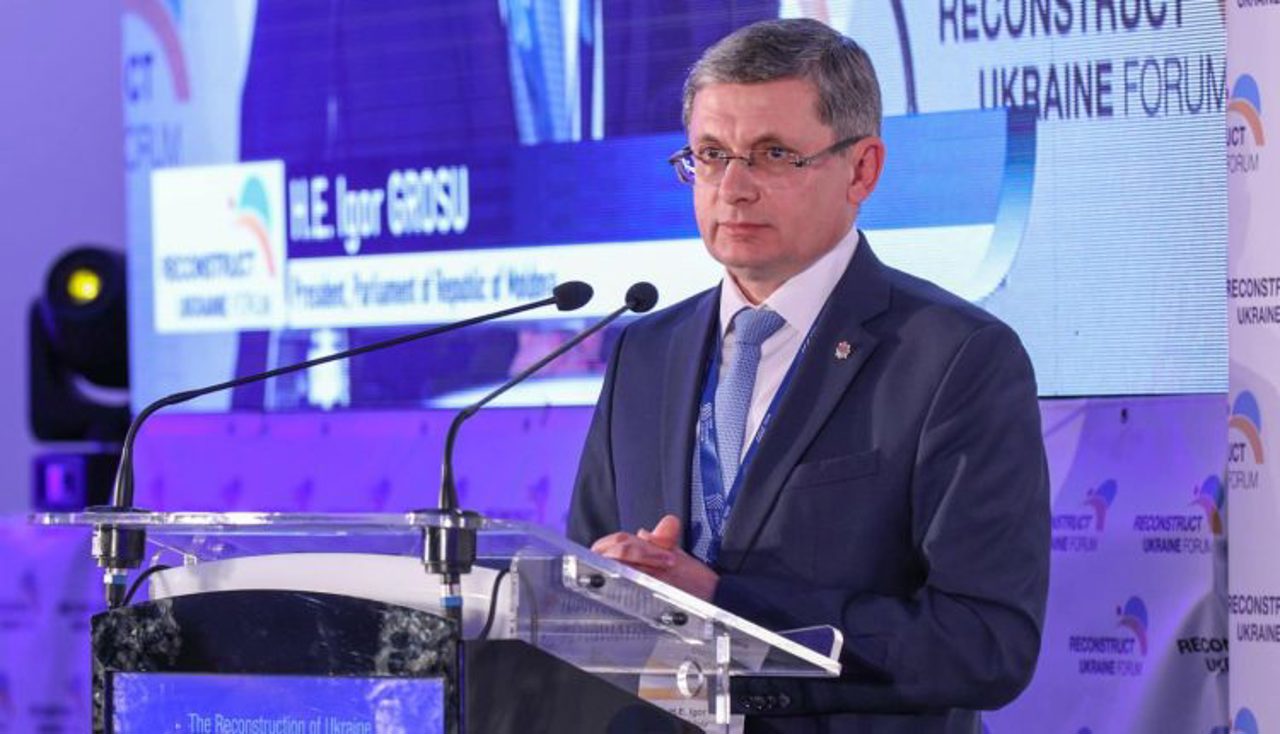
The Republic of Moldova aims to sign the Treaty of Accession to the European Union by 2028. However, achieving this goal depends on both ongoing reforms and the support of each EU member state. Igor Grosu, the Speaker of the Parliament, stated that parliamentary diplomacy and bilateral relations will be crucial in persuading countries that are still hesitant about expanding the Union. These remarks were made during an interview with the State Information Agency Moldpres.
Chisinau's target remains accession in 2028
Asked how the Republic of Moldova can obtain the support of all member states for advancing on the path of European integration, given that the authorities have proposed signing the Accession Treaty in 2028, Igor Grosu stated that success depends on sustained diplomatic activity at all levels.
According to him, the authorities must capitalize on all political and parliamentary contacts to explain why the Republic of Moldova deserves to become a member of the European Union.
"We must use every contact, every opportunity. If one of our politicians has a good relationship with the president of that country, with the prime minister or with the parliamentarians, we appeal to these relationships, raise awareness, invite them and present our arguments to them," Grosu stated.
The Speaker of the Parliament described the last year as a decisive one for the European path of the Republic of Moldova and recalled that negotiations were officially opened for two of the six clusters – “Fundamental Values” and “External Relations”.
According to him, the authorities decided to continue implementing reforms and harmonizing legislation even during the period when the political decision on opening negotiations was delayed, in order not to waste time.
Grosu said that the next objective is the opening of the other four clusters, and the Parliament will return in an extraordinary session at the beginning of August to adopt the laws necessary for the accession process and to meet the deadlines assumed in the relationship with the European Union.
At the same time, he declared himself optimistic that the European Commission's evaluation report this year will be at least as good as the previous one and will contribute to the continuation of negotiations.
European integration means benefits that are already visible
Igor Grosu states that citizens are already feeling the effects of approaching the European Union, giving as examples the reduction of costs for bank transfers and payments to member states, as well as the reduction of roaming tariffs.
He emphasized that these results were possible only after the harmonization of legislation with European norms and that the same process continues in areas such as justice, education, environment, agriculture or quality standards for Moldovan products intended for export.
In his opinion, the reform of the judiciary remains one of the most important conditions for accession, and the evaluation of prosecutors and judges must be continued.
Accession is also a security issue
The Head of the Legislative Assembly claims that, in the current geopolitical context, the expansion of the European Union is no longer just an economic project, but also a security one, against the backdrop of the war launched by the Russian Federation against Ukraine.
“The Republic of Moldova needs the European Union, and the European Union needs a predictable, stable country with functional institutions, where things work and people have jobs and can move on,” Grosu said.
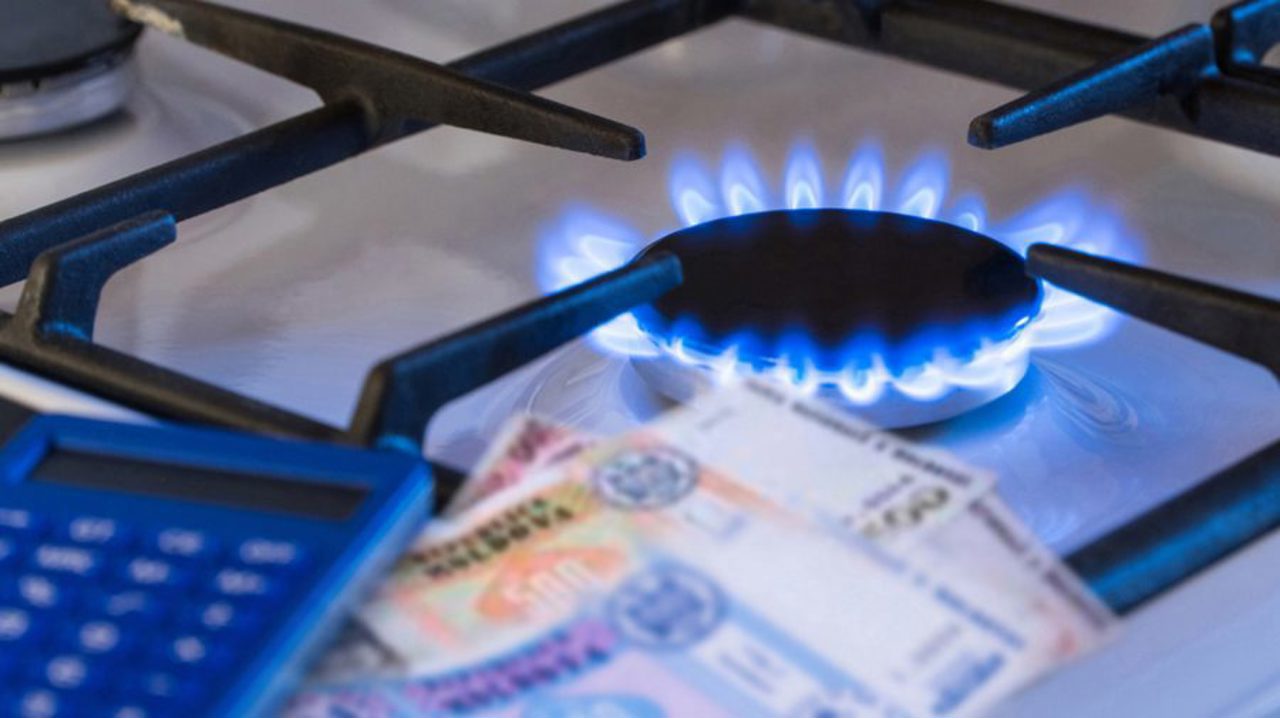
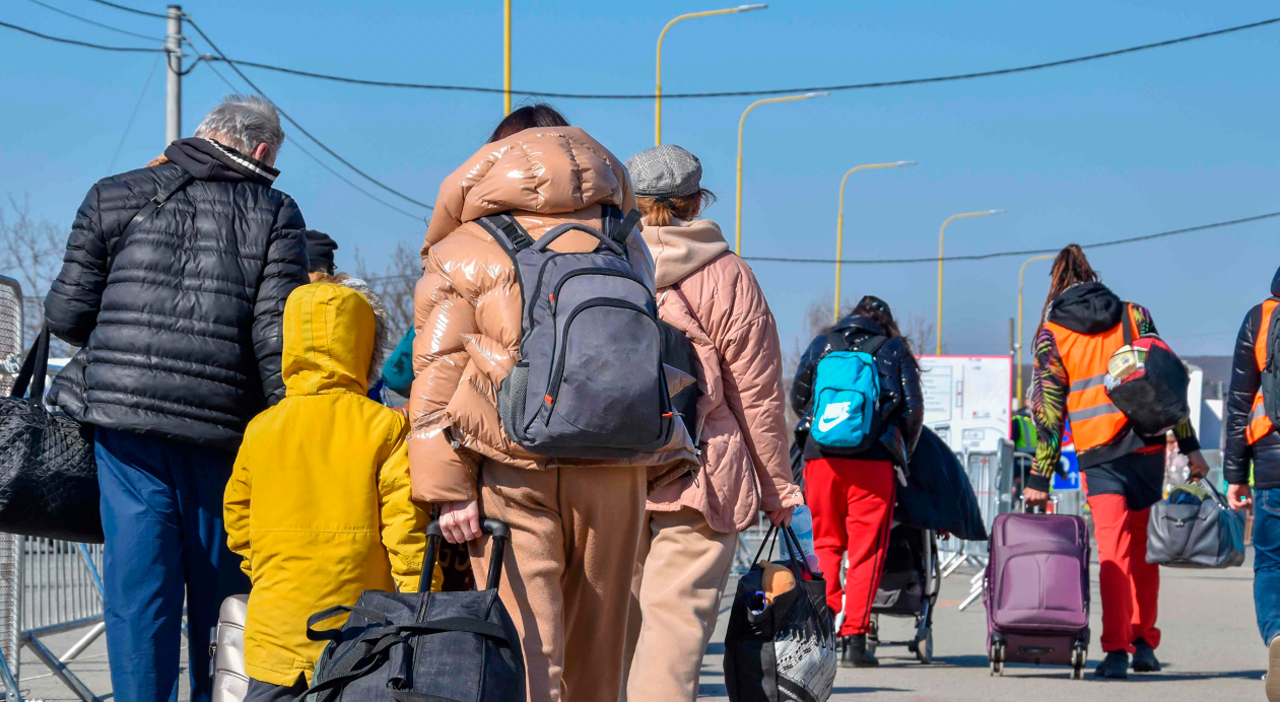
The official said that the Republic of Moldova has demonstrated its credibility in recent years, managing the refugee crisis, security challenges and energy crisis, and these results represent additional arguments in favor of accession.
The support of each member state matters
Igor Grosu acknowledged that the enlargement process depends on the position of each member state and gave the example of Hungary, whose position towards Ukraine indirectly influenced the Republic of Moldova before the opening of the first cluster of negotiations.
He said that diplomatic dialogue must be maintained permanently with both governments and oppositions in member states, because electoral cycles can change political majorities.
“But we must continue. France, Germany, Poland, Bulgaria – they are important, because each country has its own agenda and its own internal interests. Each country has its own electoral cycle and we cannot ignore this. We must build relations not only with the parties or political forces in power. We must insist, inform and communicate with the opposition parties as well, because electoral cycles can bring other formations to power. That is what we are doing and we will continue to do,” the Parliament Speaker said.
In the same interview, Igor Grosu highlighted Romania’s role in supporting the European path of the Republic of Moldova.
“Romania is a special case. It is a special relationship and it is natural for it to be like this. Romania’s support matters a lot and continues to help us in our process of accession to the European Union,” the Parliament Speaker said.
He added that parliamentary diplomacy, along with cultural diplomacy and promoting the image of the Republic of Moldova in the member states, will play an essential role in convincing every European capital that the country is ready to become a member of the European Union.
The Republic of Moldova has made significant progress in its EU accession process. On July 14, a new set of negotiation chapters was officially opened, focusing on foreign policy, security, defense, and common commercial policy.
In 2022, our country submitted its application for European Union membership alongside Ukraine, shortly after the onset of the large-scale Russian invasion. Later that same year, the Republic of Moldova was granted candidate status.