Automated mill in northern Moldova targets EU and Asian markets
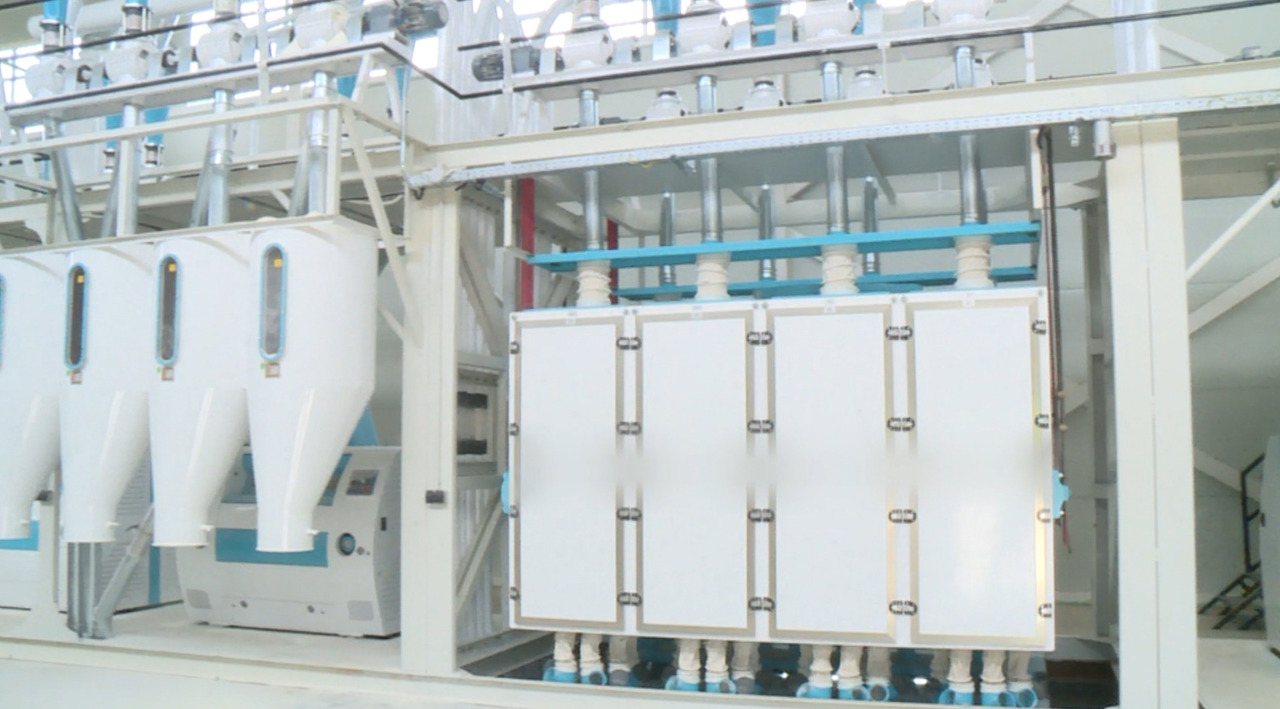
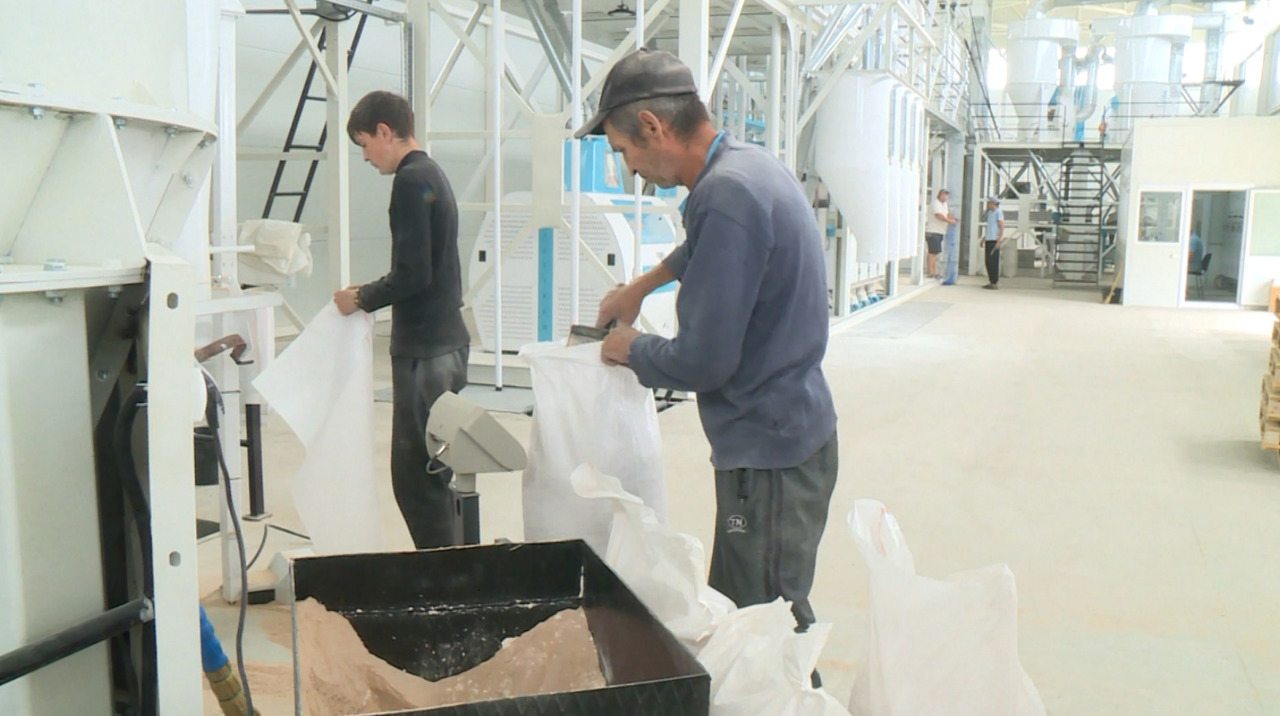
In Grinăuți, a village in northern Moldova, entrepreneur Ruslan Ioxa has launched an automated flour mill designed to process up to 80 tonnes of wheat daily.
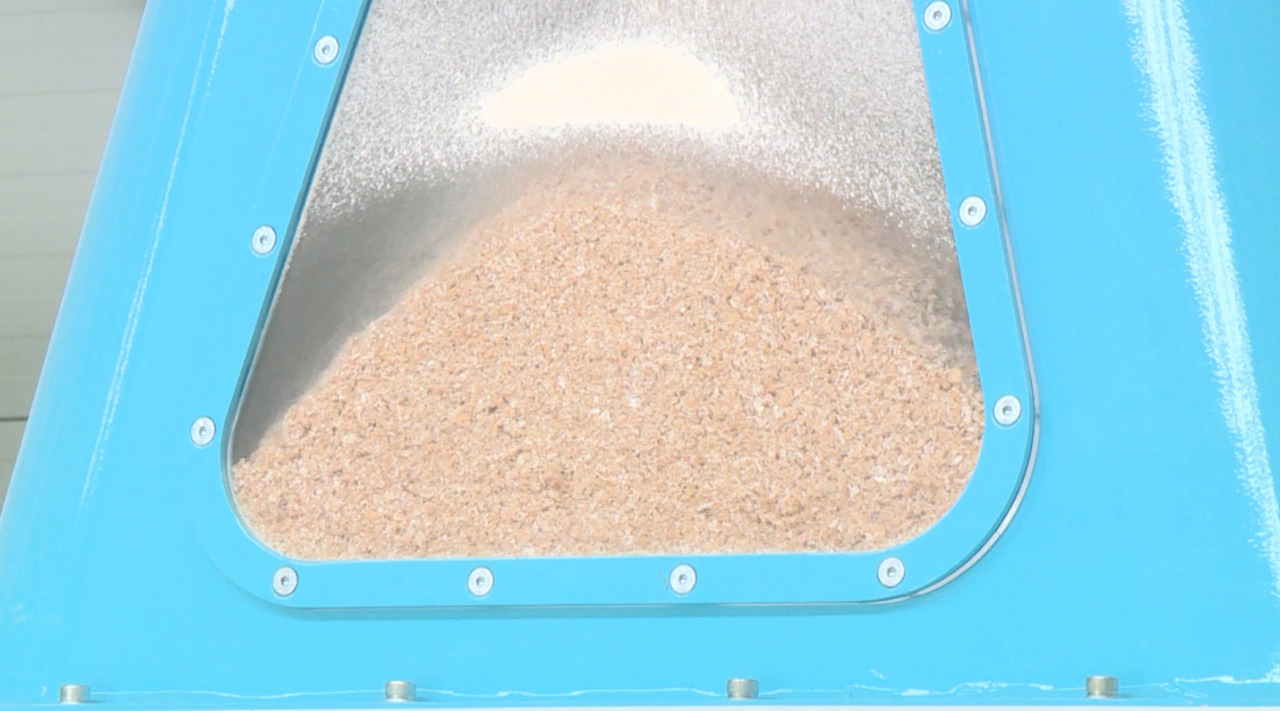
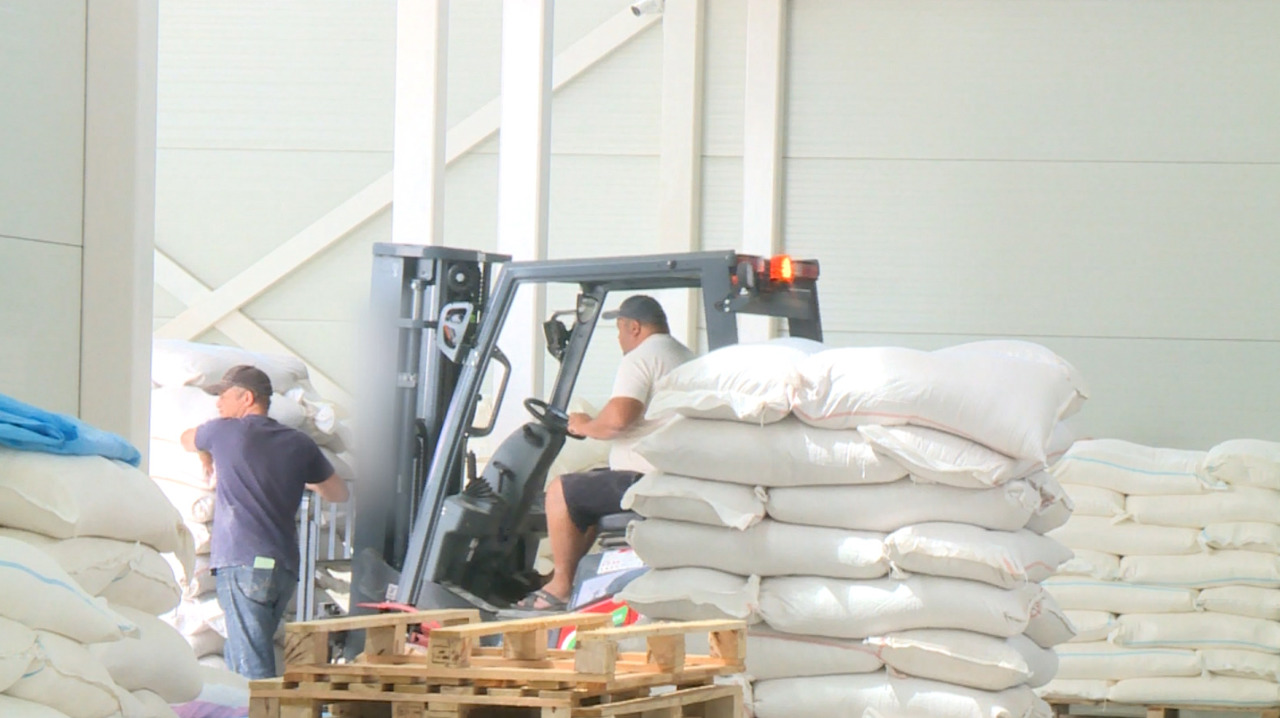
The facility produces nearly 60 tonnes of flour per 24 hours while converting secondary byproducts into agricultural feed.
Seasonal diversification and automated efficiency
Ioxa, a former university professor and auditor, established the business alongside a partner to offset winter downtime in their primary construction business.
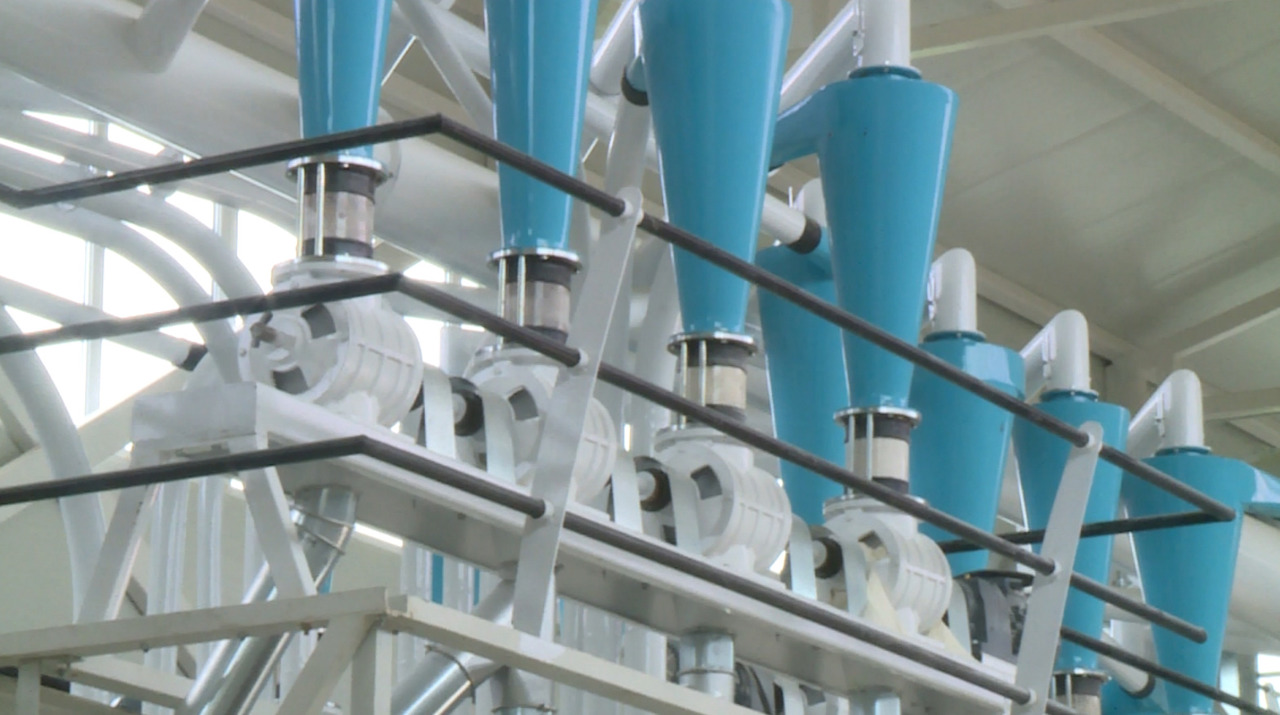
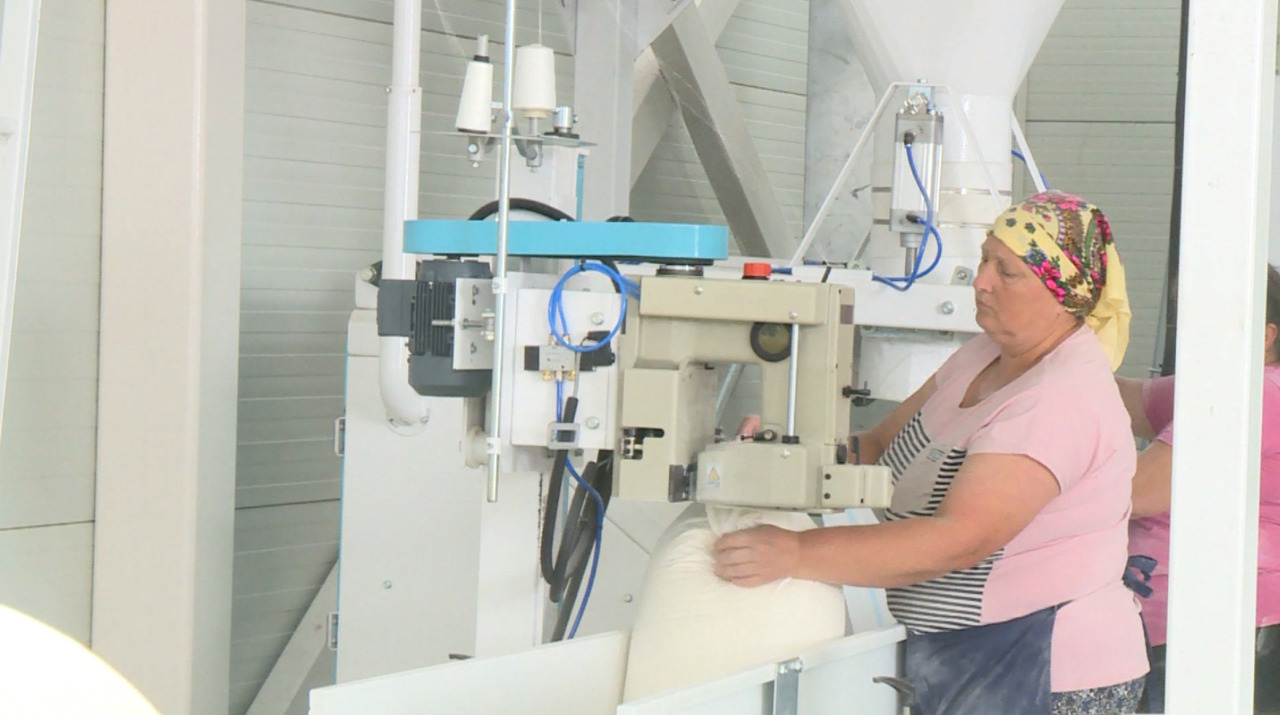
Built over eight months, the facility relies on automated milling systems to maintain consistent quality standards.
"Automating the core technical process minimizes human error, resulting in significantly higher flour quality," Ioxa explained. Despite the automated production line, the enterprise retains 20 local employees to oversee operations and management.
Global market expansion and state support
The venture aims to expand into European Union and Asian markets to sell processed goods rather than raw agricultural commodities.
The launch faced external logistical challenges, including a 50 percent increase in equipment shipping costs driven by ongoing conflicts in the Middle East.
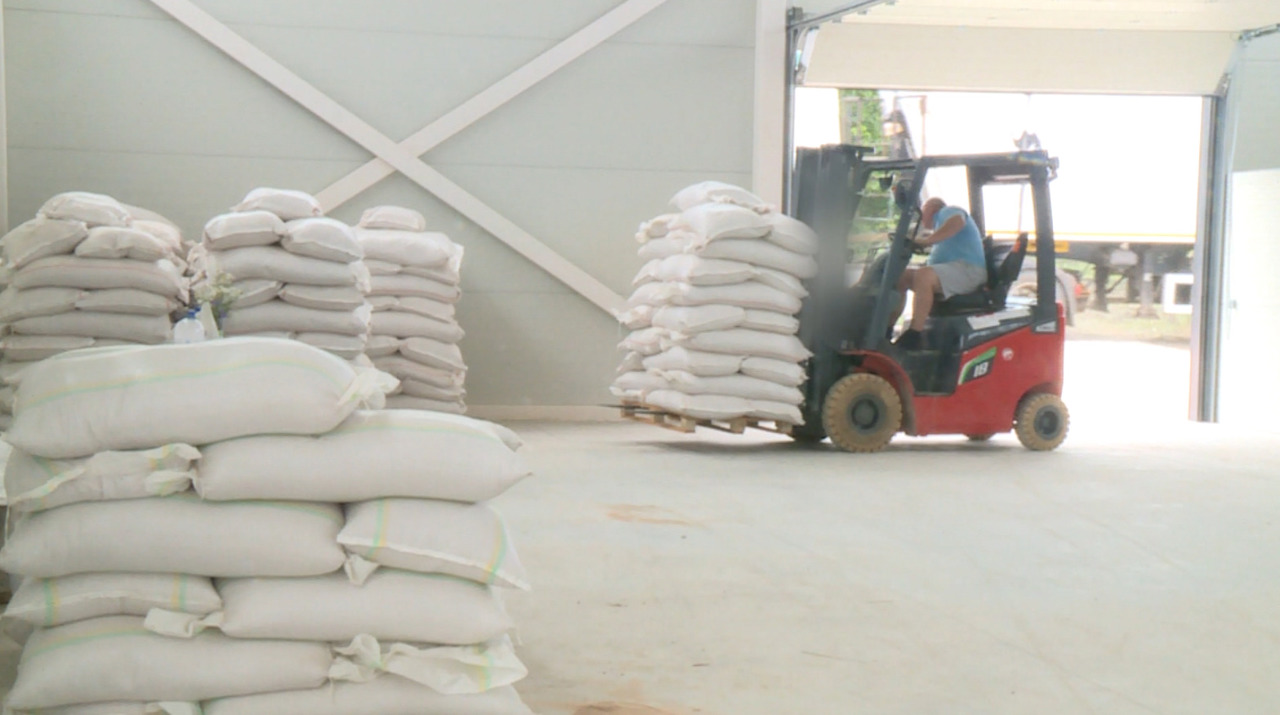
"By implementing this facility, we can export a product with higher added value than raw wheat," Ioxa noted.
The project received substantial government backing, securing over €102,000 (approx. 2 million MDL) in non-repayable grants and nearly €357,000 (approx. 7 million MDL) in tax incentives.
Translation by Iurie Tataru