Energocom urges responsible energy use during peak hours
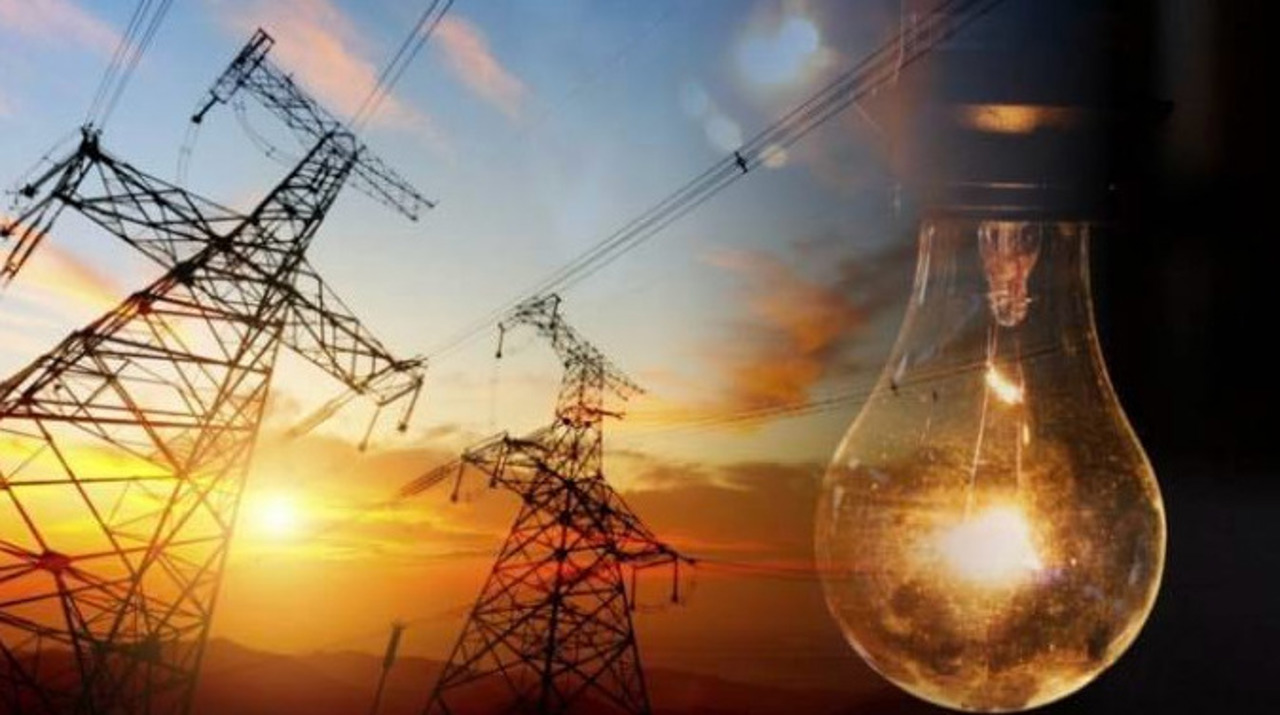
Energocom has ensured that the Republic of Moldova's electricity needs will be met for Saturday, August 8. However, the company warns that regional market conditions remain unstable, and imported energy is costly, particularly during peak hours. They have procured nearly 11,000 MWh of energy and encourage consumers to minimize energy waste, especially between 6:00 p.m. and 11:00 p.m.
On August 8, Energocom purchased a total of 10,989 MWh of electricity. The majority of this volume was obtained through bilateral import contracts, with nearly a quarter sourced from local renewable energy.
According to the company, 68.50% of the energy purchased came from bilateral import contracts, 24.56% from local renewable sources, 5.78% from the Day-Ahead Market in Romania via OPCOM and BRM, and 1.16% from district heating power plants.
"For Saturday, August 8, Energocom successfully reserved the necessary volumes to meet the electricity consumption in the Republic of Moldova," the company stated.
While Energocom confirmed that the energy needs for the day were met, it also highlighted that ongoing developments in the regional market continue to exert pressure on the energy system. The company specifically noted concerns regarding prices in foreign markets.
"Although the needs for Saturday are covered, the regional situation remains volatile. We have observed that energy available in foreign markets remains expensive, particularly during peak hours," stated the press release.
In light of this situation, consumers are encouraged to use electricity wisely and, when possible, to avoid additional consumption during periods of high demand.
"We urge citizens to conserve electricity, especially between 6:00 p.m. and 11:00 p.m. This will help prevent waste and, where possible, we recommend scheduling the use of high-consumption appliances for other times of the day," Energocom advised.
This recommendation comes amid a challenging regional situation, further affected by the extremely low flow of the Danube River. According to the Ministry of Energy, the low water levels impact the operation of certain power and nuclear power plants in the region, which rely on the river's water for cooling purposes.
The reduced regional production can create additional pressure on the energy market, leading to higher prices and an increased need for imports. As a result, authorities and suppliers are advising consumers to decrease energy consumption during peak hours to help alleviate strain on the system.