Moldova bank tax hike could trim 127 million euro in lending
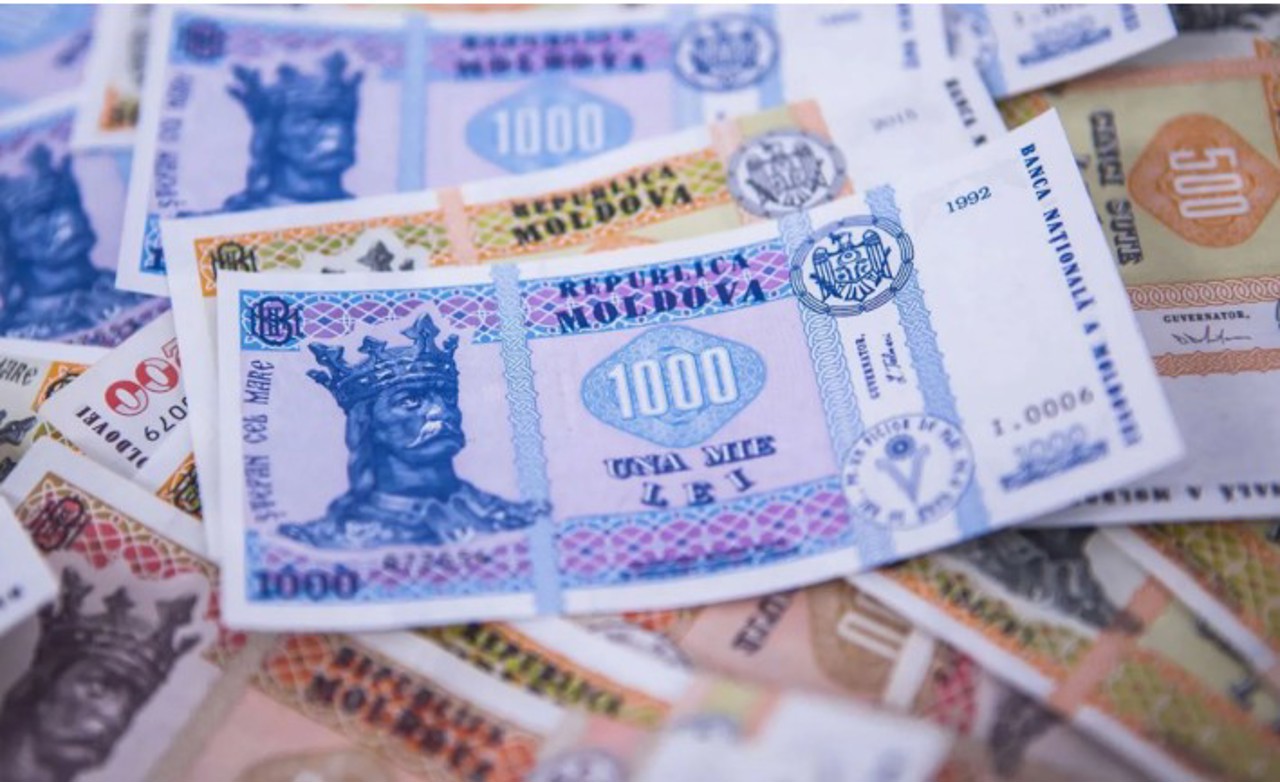
Moldova's government has proposed raising the corporate profit tax for banks and financial institutions from 12% to 18% as part of a single-year solidarity measure for 2027.
While the tax hike could collect roughly €21.4M (420M MDL) from banks, sector representatives warn it may reduce maximum lending capacity by up to €127.5M (2.5B MDL).
Lending capacity impact
Dorel Noroc, President of the Moldovan Banking Association, stated that the additional tax burden directly reduces retainable capital. Under current leverage ratios, every leu of capital supports approximately six lei in potential lending.
Including insurance firms and non-bank lenders, total sector tax collections are estimated at €30.6M (600M MDL).
Consumer costs expected to hold steady
Despite the reduced capital buffer, industry leaders and officials do not expect immediate fee or interest rate increases for consumer loans.
Existing contracts remain legally protected from unilateral rate adjustments. Noroc noted that new loan pricing depends more heavily on central bank deposit rates than the temporary tax shift.
Economic expert Marin Gospodarenco added that banks currently operate below maximum credit capacity, giving them sufficient margin to absorb the tax without shifting costs onto citizens.
Temporary one-year measure
Finance Minister Victoria Belous confirmed the 18% rate applies strictly as a temporary measure for 2027, following direct consultations with the financial sector.
The broader 2027 fiscal reform package presented by Prime Minister Vasile Tofan aims to generate roughly €255.1M (5B MDL) in revenue by targeting informal labor and adjusting levies on tobacco, alcohol, and gambling.
The policy draft remains open for a two-week public consultation period with business representatives, labor unions, and civil society.
Translation by Iurie Tataru