New school curriculum subject to public consultations
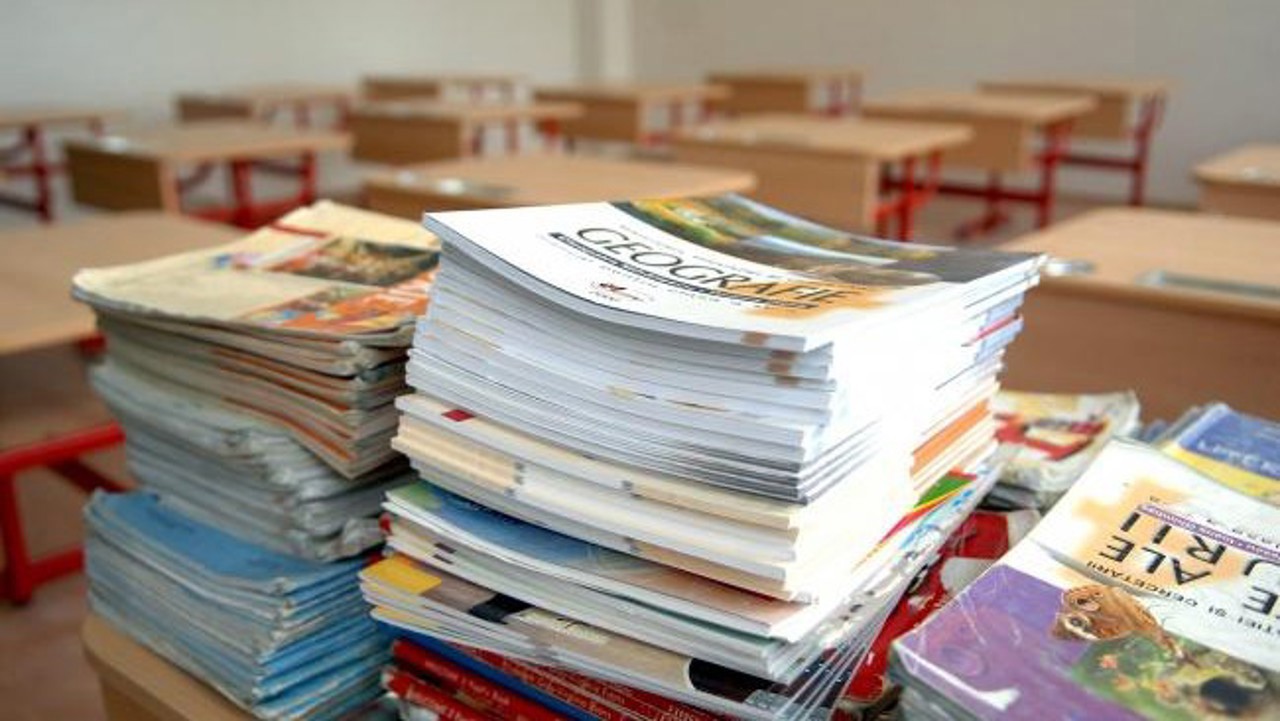
The Ministry of Education and Research (MEC) has initiated public consultations on a draft for a new generation of curriculum for general education. This document proposes integrating various disciplines into the teaching of different subjects, with an emphasis on developing practical skills by the end of students' studies. The goal is to create interactive lessons that are more relevant, interconnected, and aligned with the demands of the labor market.
The need to initiate the process of adjusting the curriculum for general education was generated by the accelerated change of new technologies, as well as by the global and regional trends that the school must face, states the Minister of Education and Research, Dan Perciun.
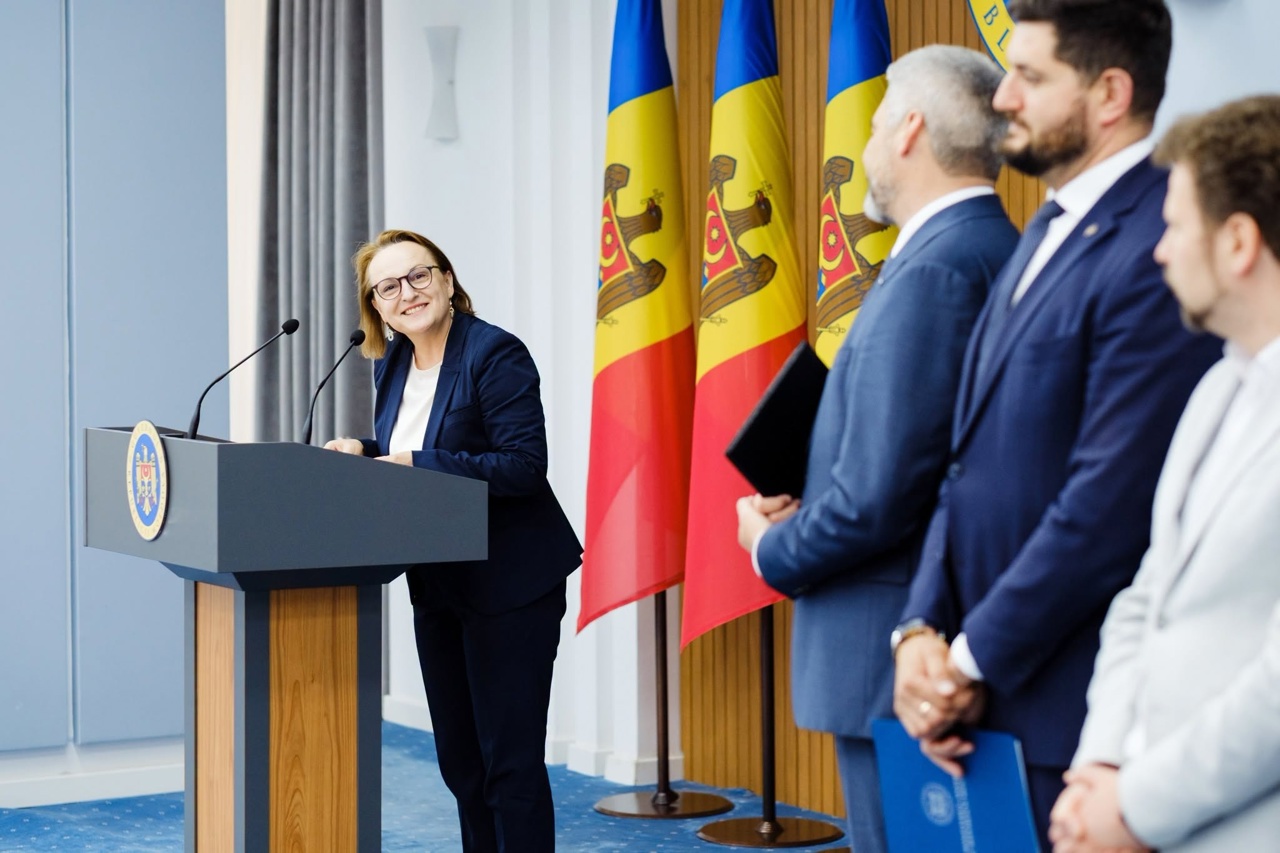
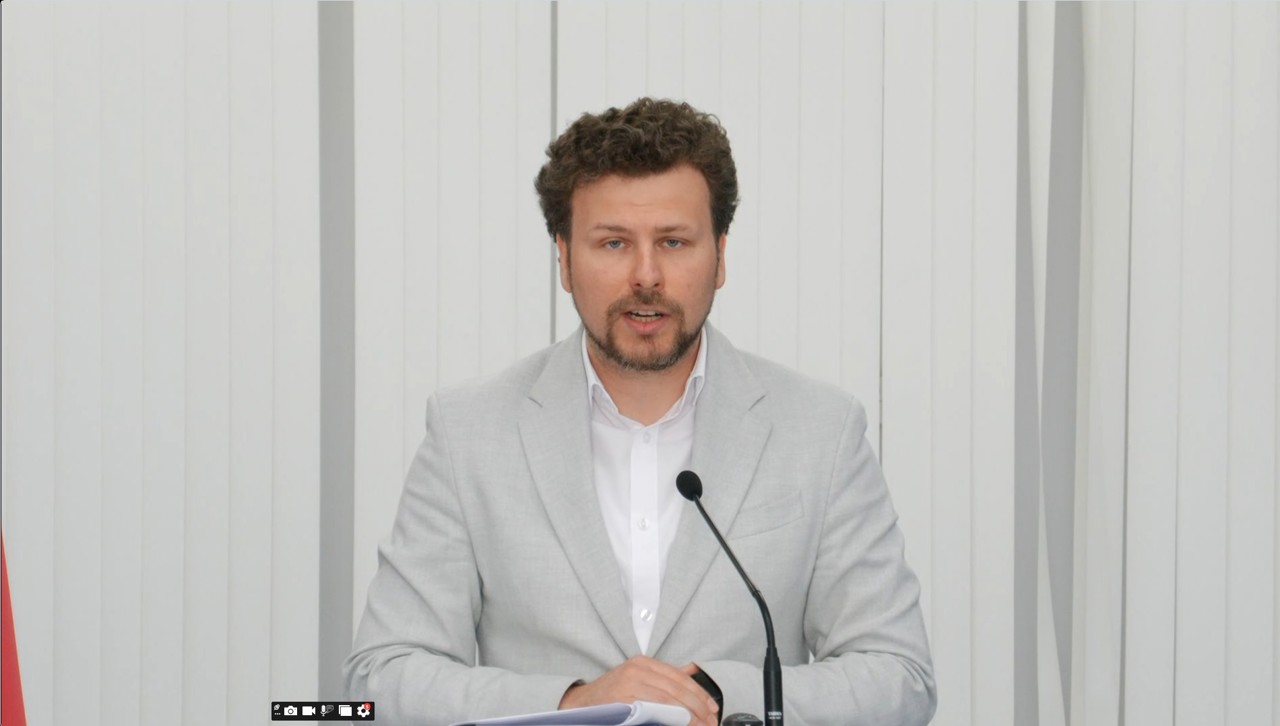
“Artificial intelligence, obviously, will eliminate millions of jobs in the coming years and create millions more. We must prepare children for this change. The second trend is the fragmentation and fragility of the world. Therefore, the school response must be focused on more education for equality, dignity and respect”, mentioned Dan Perciun, in a press conference held on Wednesday, August 12.
Among the main challenges facing the education system in the Republic of Moldova are modest knowledge of mathematics, sciences, and correct Romanian-language speaking among non-native speakers.
“At the same time, in our society there are contrasting historical interpretations of our common past and there are constant attempts from the outside to promote narratives contrary to the interests of the Republic of Moldova”, said Dan Perciun.
According to the draft of the new curriculum, teachers must find a balance between digitalization and pedagogical benefits, taking into account the specifics of the current generation, which has different expectations from the teaching and learning process.
“Society has expectations that school should provide more space for financial education, environmental education, media education and other topics relevant to everyday life. Our answer is that we do not necessarily need to learn less, but to learn more relevantly, more applied and in a way adjusted to the specifics of the new generation”, mentioned the minister.
Main objectives of the new curriculum:
- Digitalization and Artificial Intelligence
Regarding technology, digitalization and the challenge of artificial intelligence, digital education will start in primary grades, and Informatics would be introduced from grade 5, not grade 7, as is currently the case. The lessons will place a stronger emphasis on algorithmic thinking and programming.
The MEC will also reconceptualize technological education with a stronger orientation towards digital technologies, robotics and engineering, so that Informatics prepares the student for the creation of digital products, and Technological Education develops their user skills.
Students will gain a deep understanding of the risks and benefits, which will facilitate the reflective use of technology and will show how it influences socio-economic and political realities in the country and the world.
- Science, from the 1st grade
The subject Science will be taught starting from the 1st grade and separate hours will be allocated for inter- and intra-disciplinary projects. The knowledge obtained will increase the relevance for the labor market and for everyday life, with an increased emphasis on applicability and less on theorizing.
- Organic integration of education in several disciplines
Financial education and entrepreneurial education will be addressed in mathematics and computer science lessons. Health education will have connections not only with biology and chemistry, but also with history. Environmental education will find its place in biology textbooks, as well as Romanian language. Peace education will be addressed in history, geography and English. All these dimensions will be organically integrated into the core subjects.
“The new generation of curriculum defines learning outcomes much more clearly. It does not only answer the question of what the teacher should teach, but also the question of what the student should know and be able to do at the end of each grade and each level of study”, explained the Minister of Education and Science.
- Mathematics will be more applied
In an attempt to increase the popularity of mathematics among students, the development of the curriculum was based on a close connection with Estonian textbooks, internationally recognized for their applied character and for the use of practical contexts, including in promoting value-based education.
- A new face for education for society
The new curriculum will strengthen the role of education for society and personal development by merging them into a single subject – Me and Society – and by integrating these dimensions into all school subjects. Within the subject Me and Society, special attention will be paid to gender equality, health and inclusion.
Students in the 4th grade will discuss gender stereotypes and the fact that we are all different but equal. In the 11th grade, gender inequality, social pressure on girls and boys, gender norms and roles in the family, gender-based violence and protective services will be addressed.
The purpose of this subject is to understand and recognize stereotypes, protect dignity and adopt behaviors that prevent violence.
- Another" history*
The content of history will be rethought. Thus, from the 4th grade, the eras will be studied, and in the 8th and 9th grades, subjects such as the repressions of the communist regime in Bassarabia, famine, deportations, the war for independence and the Holocaust will be taught.
- Romanian language
For non-native language classes, the name of the subject Romanian language and literature will be changed to Romanian language, with the aim of improving the level of knowledge of the language.
The authorities propose allocating more time to developing communication skills, making this the main priority.
- Technological education, together
On the dimension of gender equality, technological education will be reconceptualized, so that there will no longer be a separation of classes by activities based on gender.
This approach will offer equal opportunities to all students to learn the necessary skills.
- A new image of women in literature
In the subject Romanian Language and Literature, texts will be selected that highlight female representation from an entrepreneurial or leadership perspective, not just from that of victimization or abuse.
- Environment and Geography
In the new curriculum, climate change will not be treated as an isolated theme, but will be integrated transversally, especially through education for sustainable development and environmental education. In Geography, students will analyze the impact of climate change on geographical environments, biodiversity, water resources, food security and communities.
- Health Education
The new health education curriculum will not only mean lessons on hygiene or nutrition. Children will gradually learn, in an age-appropriate manner, how to take care of their bodies and their emotional health, how to build relationships based on respect and personal boundaries, how to avoid risky behaviors and where to ask for help.
"I hope that, in the end, we will reach that version of the curriculum that corresponds to the strategic objectives and meets the expectations of parents, students and teachers", concluded Minister Dan Perciun.
The public consultations will be open until the end of September, during which teachers, students, parents and other actors involved in the educational process can access and complete a questionnaire on the official MEC website. Comments and suggestions will be sent to the author groups.