Moldovan authorities promise temporary measures for Ukrainian grain transit, experts urge planning
Experts highlight that facilitating the access and transit of Ukrainian grain will bring several benefits to the Moldovan Railway Company (MRC), including financial gains. However, they caution that a significant increase in transit volume might negatively impact Moldovan exporters, particularly during the peak agricultural season.
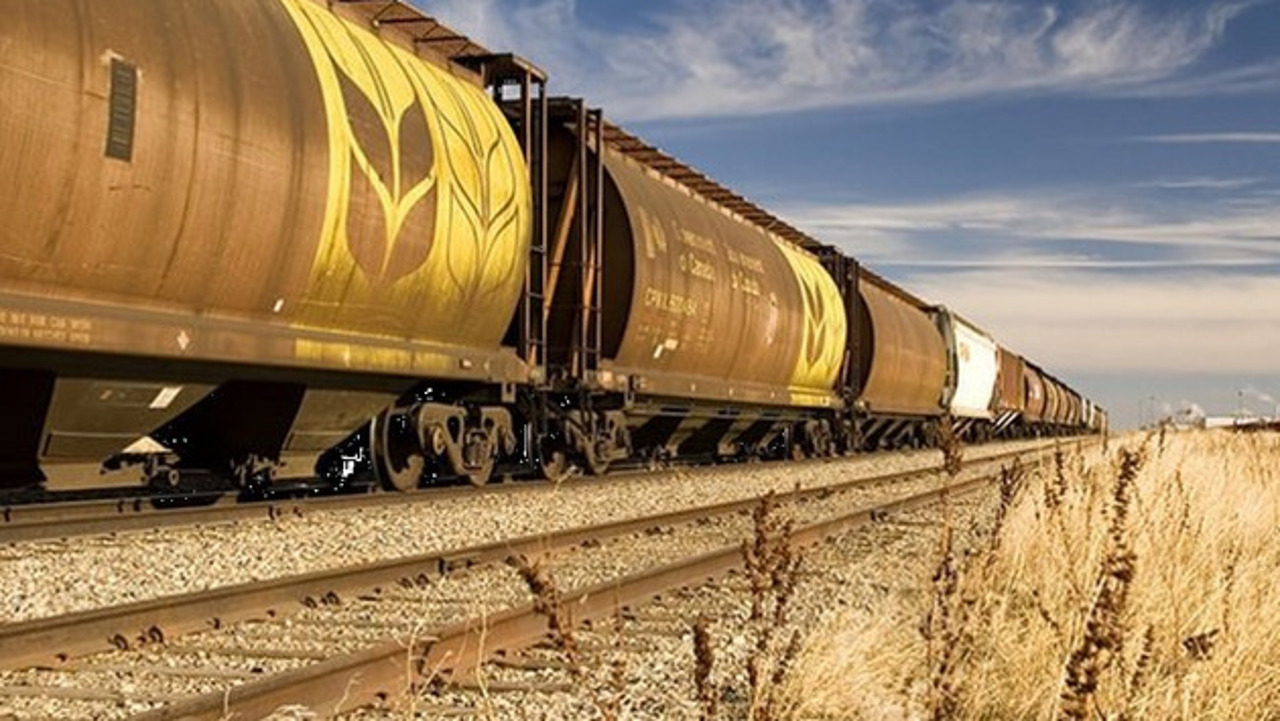
The transit of Ukrainian grain to the port of Constanța through the Republic of Moldova could generate additional revenue for the Moldovan Railway. However, authorities must ensure that the infrastructure can accommodate the increased volume. This perspective comes from agribusiness expert Iurie Rija, following confirmation from the Ministry of Infrastructure and Regional Development that discussions are ongoing with Ukraine regarding the rail transport of grain in transit.
Ukraine is requesting reduced tariffs for transporting large volumes of grain. Authorities in Chișinău stated that temporary tariff reductions for large shipments are an internationally accepted practice, and any decisions will be based on the economic benefits for both sides. Rija believes that this transit corridor represents a significant opportunity for the Moldovan Railway (CFM), especially given its challenging financial situation.
He noted, “For the Moldovan railway infrastructure, such a corridor could generate transit revenues, which would benefit the state-owned Moldovan Railways, particularly at a time when the company is in need of additional funding. We are aware of the situation, especially concerning salary debts and other payments owed to creditors, like those for diesel fuel and rolling stock, which have been outstanding for years. We recognize that this transit operation could be advantageous, but it must be adequately planned and formalized in an agreement.”
Rija estimates that the potential volume of up to 4-5 million tons annually could exert significant pressure on the infrastructure. He argues that the main question is not whether Moldova should accept transit but whether it has the capacity to transport both Ukrainian grain and its own production simultaneously.
A substantial increase in transit volume might also affect Moldovan exporters, particularly during peak agricultural seasons. Rija contends that the solution lies in separating and managing Moldovan and Ukrainian transport flows so they do not compete for the same capacity during busy periods. Furthermore, he emphasizes that the revenue generated from transit should be reinvested into modernizing railway infrastructure.
Rija stated, “For farmers, who are the cornerstone of this business, the success of these commercial activities hinges on how this mechanism is managed. If Ukrainian transit is prioritized without careful planning of transport slots, Moldovan exporters could experience delays.”
Minister of Infrastructure and Regional Development Vladimir Bolea added that this transit arrangement would be beneficial for both countries. He assured that the cereals would only transit through Moldova to Romanian ports and would not be stored within the country.
“We are discussing very short-term agreements that require immediate responses, especially given the war we are facing. For example, damage to bridges necessitates alternative routes, such as passing through Basarabeasca to reach the Ismail bridge. We will accommodate these needs as they arise, reflecting our ongoing support for Ukraine, which continues to endure daily attacks from the Russian Federation,” Bolea said.
Authorities in Chișinău have clarified that this is not about establishing a permanent reduced tariff, but rather a temporary mechanism. This measure is intended as a response to the repeated assaults by the Russian Federation on Ukraine's infrastructure and logistics routes.