Moldova unveils €688 million plan to overhaul education by 2030
The Moldovan government approved the implementation plan for its "Education 2030" strategy on August 19, unlocking approximately €688 million (13.5 billion MDL) in target investments. The five-year roadmap aims to modernize infrastructure, reform curricula, and boost international competitiveness across all education levels by 2030.
Focus on early childhood and school infrastructure
The government plans to build 5,000 new nursery places, equip at least 400 schools and kindergartens, and upgrade sanitation facilities nationwide. A core pillar of the reform is the establishment of a network of 90 model schools designed to set national benchmarks for modern learning environments.
Academic targets include raising the lower-secondary graduation exam pass rate to at least 90% by 2030 and significantly improving national scores in international PISA assessments.
Expanding dual education and university appeal
The program scales up dual vocational training to benefit at least 3,000 technical students in partnership with over 300 companies. This model will extend into higher education, involving 1,000 university students.
Universities aim to attract 3,000 international students annually and achieve a 50% graduate employment rate. A primary strategic objective is retaining 70% of higher education graduates in Moldova.
Higher education funding will upgrade lecture halls, dormitories, laboratories, and recreation zones. To enforce academic integrity, the ministry will mandate anti-plagiarism systems and supervised assessments, alongside increased scholarships for STEAM disciplines (Science, Technology, Engineering, Arts, and Mathematics).
Research, digital integration, and teacher support
The strategy establishes a National Erasmus Agency to manage international mobility and introduces external evaluations for doctoral programs. Digitalization initiatives will certify teacher competencies under the DigCompEdu framework, generate 3,000 digital learning modules, and launch a national program for AI integration in classrooms. By 2030, all graduates are expected to achieve at least B1-level digital literacy.
More than 30,000 educators will participate in dedicated professional development and mentorship programs, supported by expanded psychological counseling services.
Funding structure and development partners
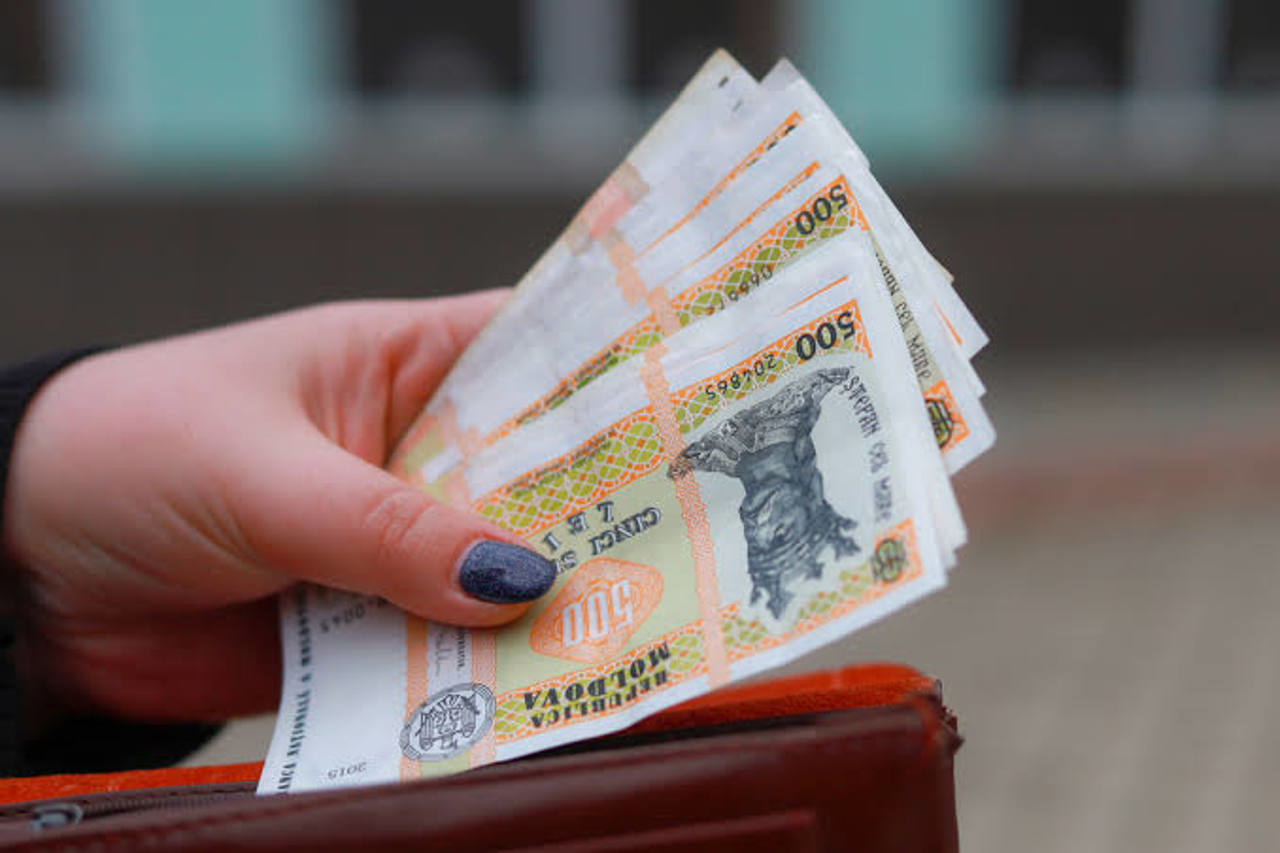
Infrastructure accounts for the largest share of the planned expenditure. The Moldovan state budget will cover 27% of the total cost (€188 million / 3.7 billion MDL).
Development partners, international financial institutions, and the European Union are expected to provide 60% of the required funding (€403 million / 7.9 billion MDL) in external assistance. The remaining 13% (€92 million / 1.8 billion MDL) will be secured through upcoming funding rounds.
Translation by Iurie Tataru