Europe's extreme drought puts €180 billion at risk
Severe heat and persistent drought across Europe could shrink the European Union’s economy by 1% of its gross domestic product. This potential contraction represents a loss of €180 billion, according to estimates published by a Dutch banking group.
With the European Commission previously forecasting modest economic growth of 1.1% for this year, recent banking projections warn that the ongoing climate shock could erase these gains entirely.
While agriculture remains the hardest-hit sector, severe disruptions have cascaded into European freight transport and energy infrastructure.
Agricultural distress spreads across the continent
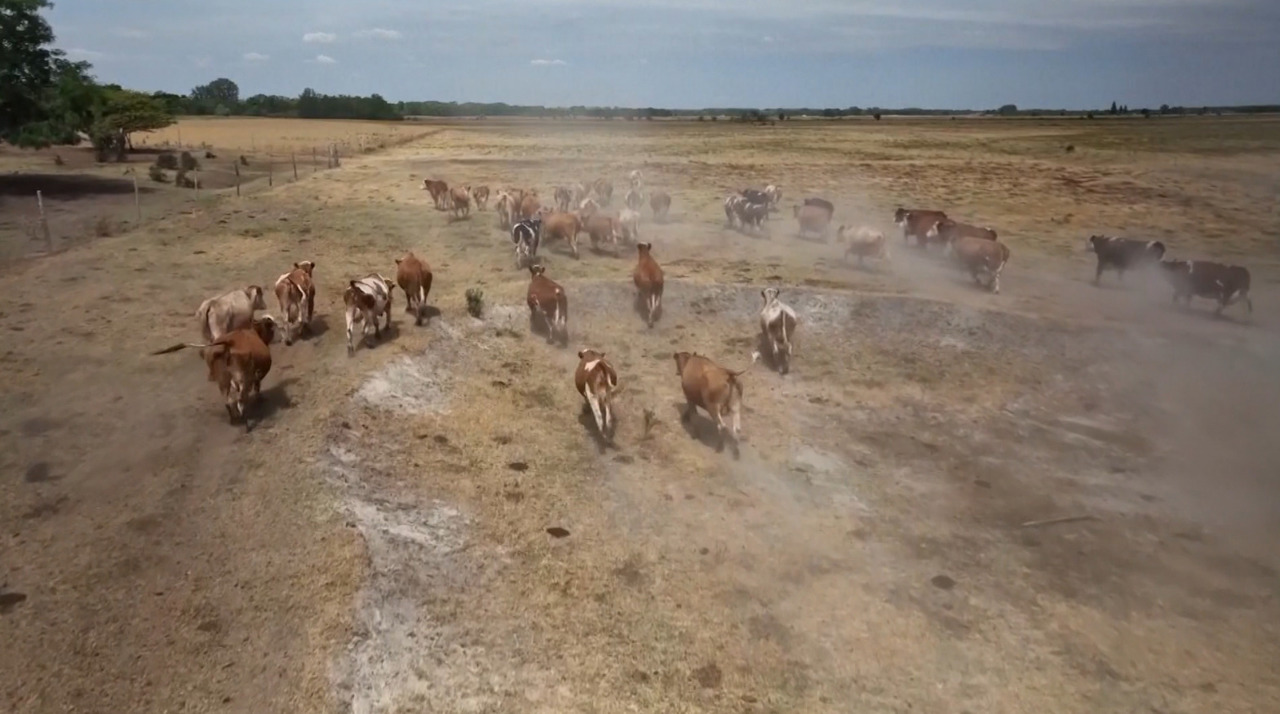
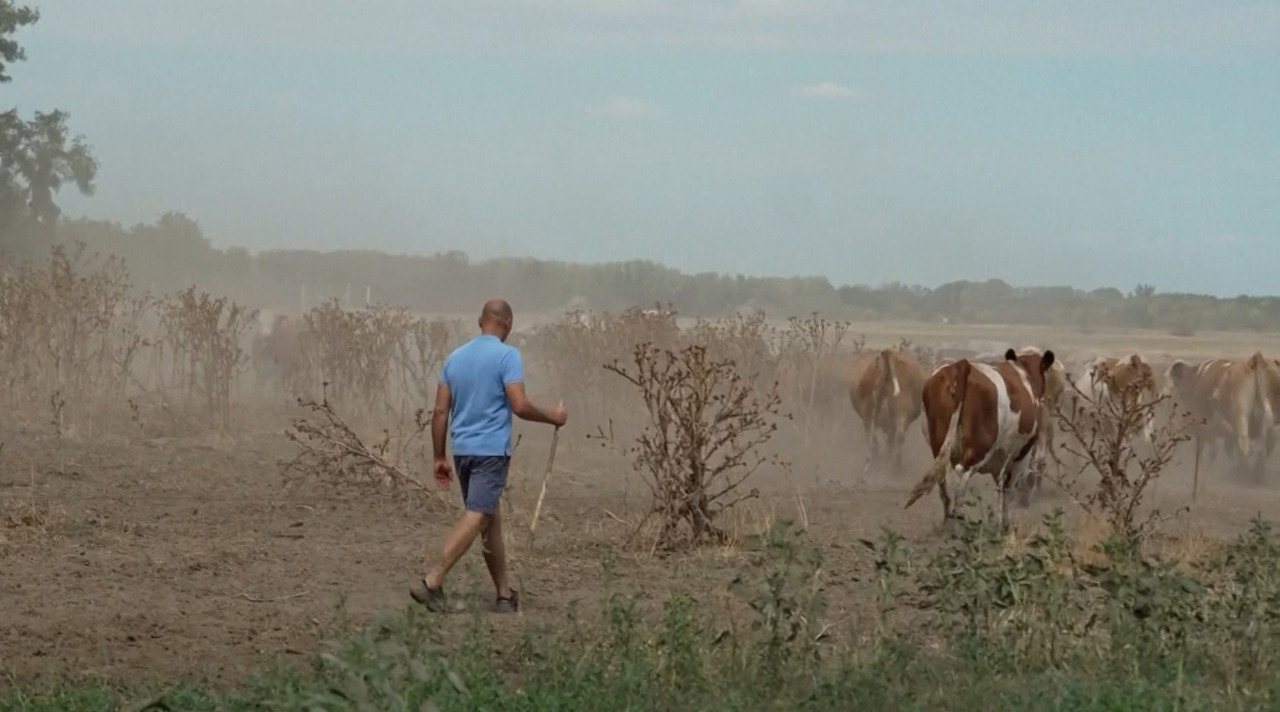
In Hungary, continuous weeks without rainfall have transformed the Great Plain. Parched and dusty soil has replaced once-fertile, lush pastures across the agricultural heartland.
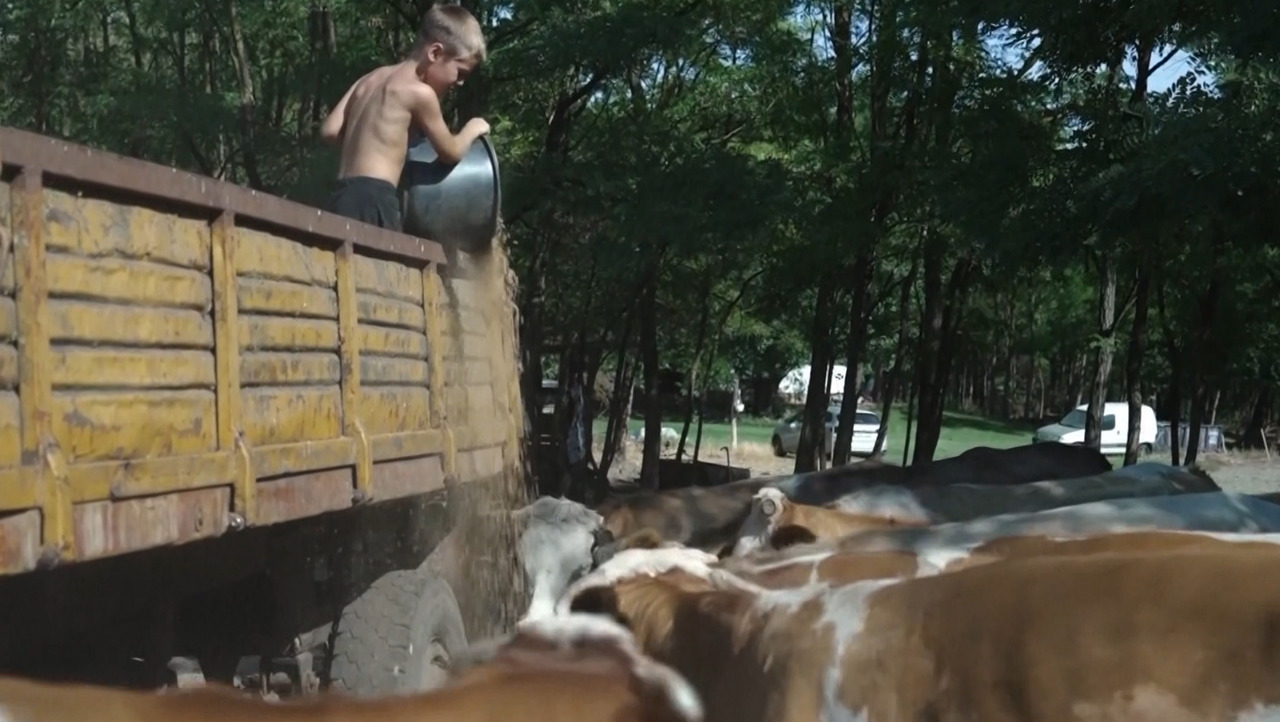
Hungarian farmer Sandor Molnar, who manages a herd of 130 cattle, now relies heavily on stored feed to maintain his livestock.
"It has been so long that I cannot even remember the last substantial rain, perhaps late May," Molnar said. "Even with adequate acreage, grazing capacity has dropped by more than half compared to four or five years ago."
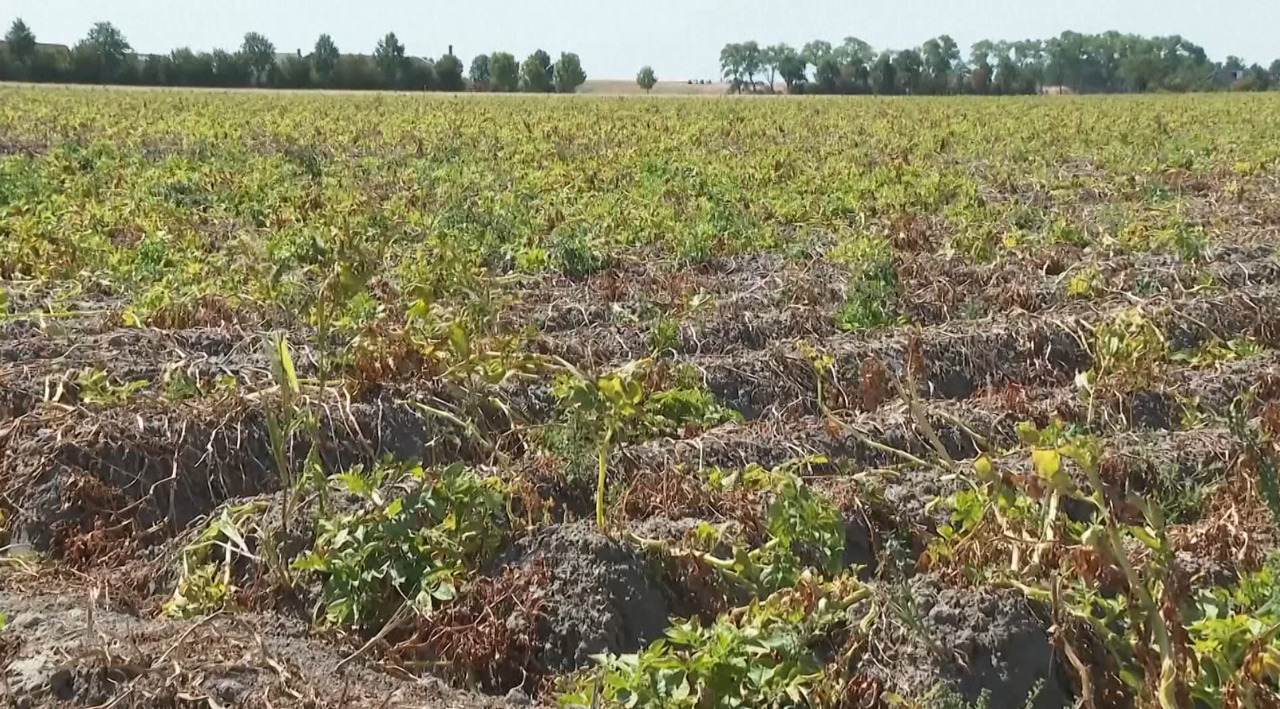
Further west, drought conditions have severely battered potato yields. Planted acreage has already contracted by 11% across France, Germany, and the Netherlands.
"The crop deteriorated nearly a month earlier than usual, to the point where almost all foliage vanished from the fields," said Dutch farmer Hendrik Jan ten Cate. "As a result, the potatoes remained significantly undersized."
In France, grape growers in the Champagne region have expedited their harvest by roughly a month, marking the earliest grape collection on historical record.

Low river levels disrupt logistics and nuclear power
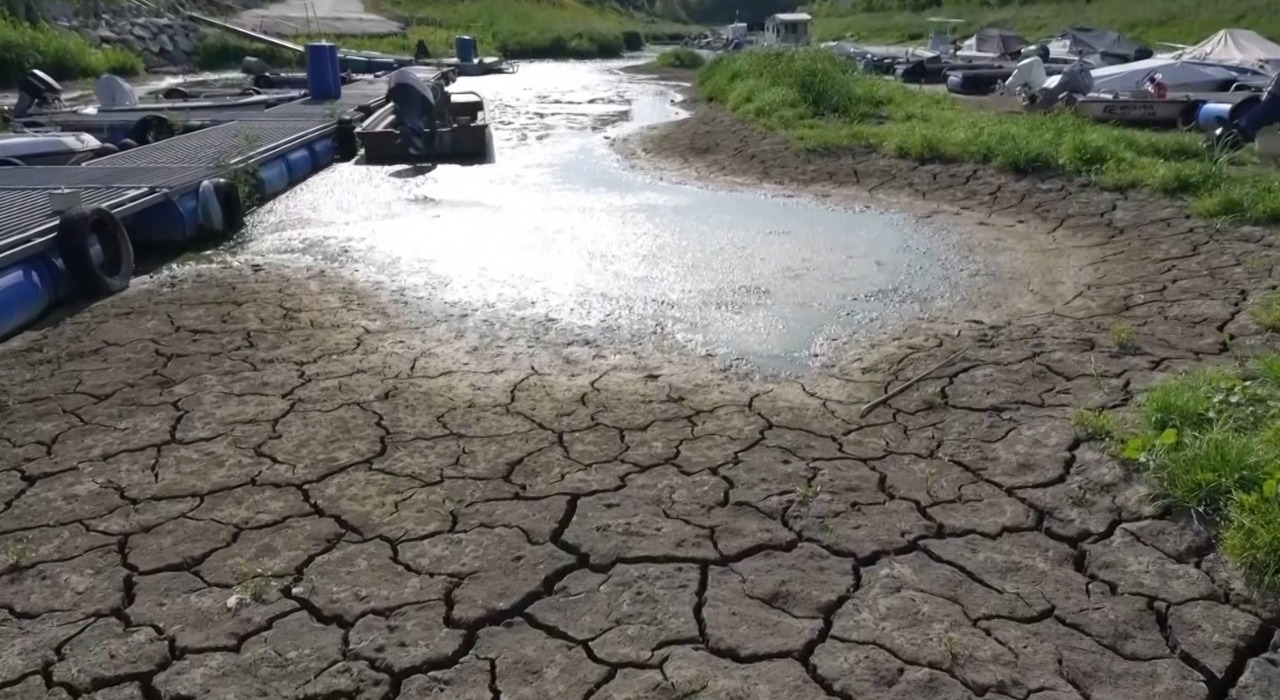
In northern Italy, critical low water levels along the Po River continue to strain the nation's primary agricultural corridor. Diminished flow has allowed saltwater from the Adriatic Sea to push 20 kilometers inland, compromising freshwater irrigation networks.
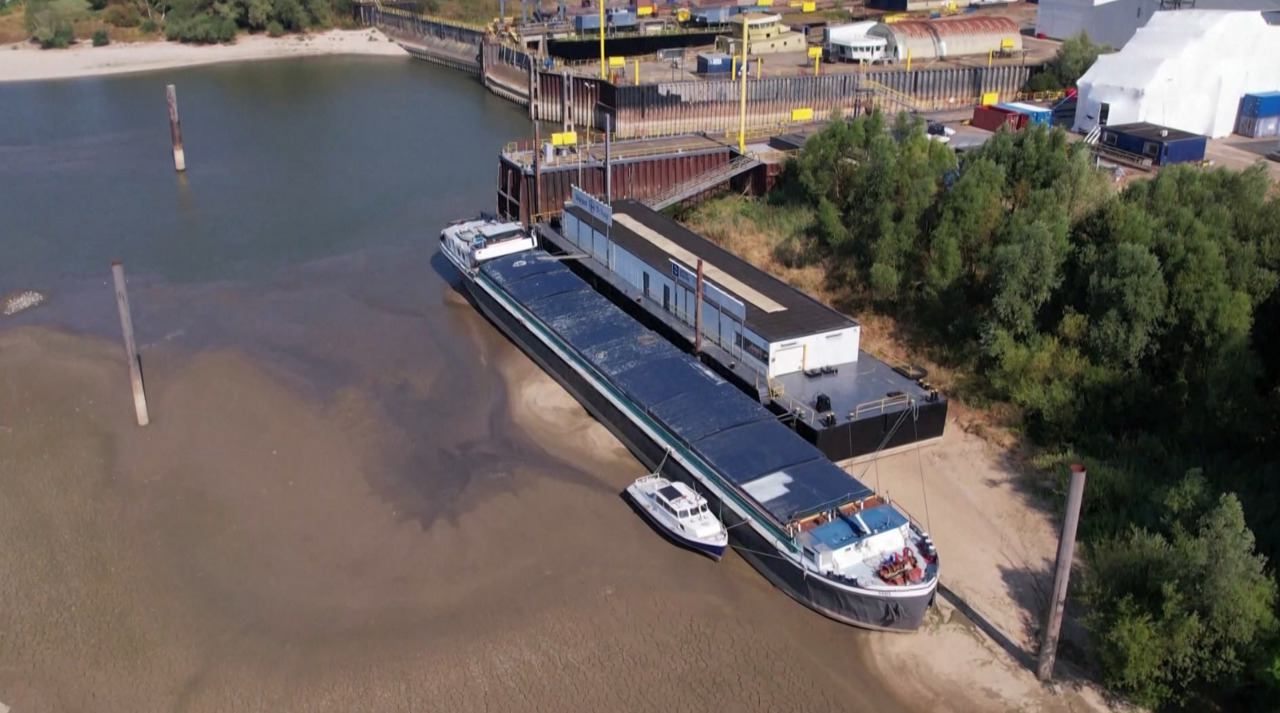
Along Germany's Rhine, historic low water marks have prevented commercial barges from operating at full capacity. Shippers have consequently redirected substantial cargo volumes onto rail and trucking routes.
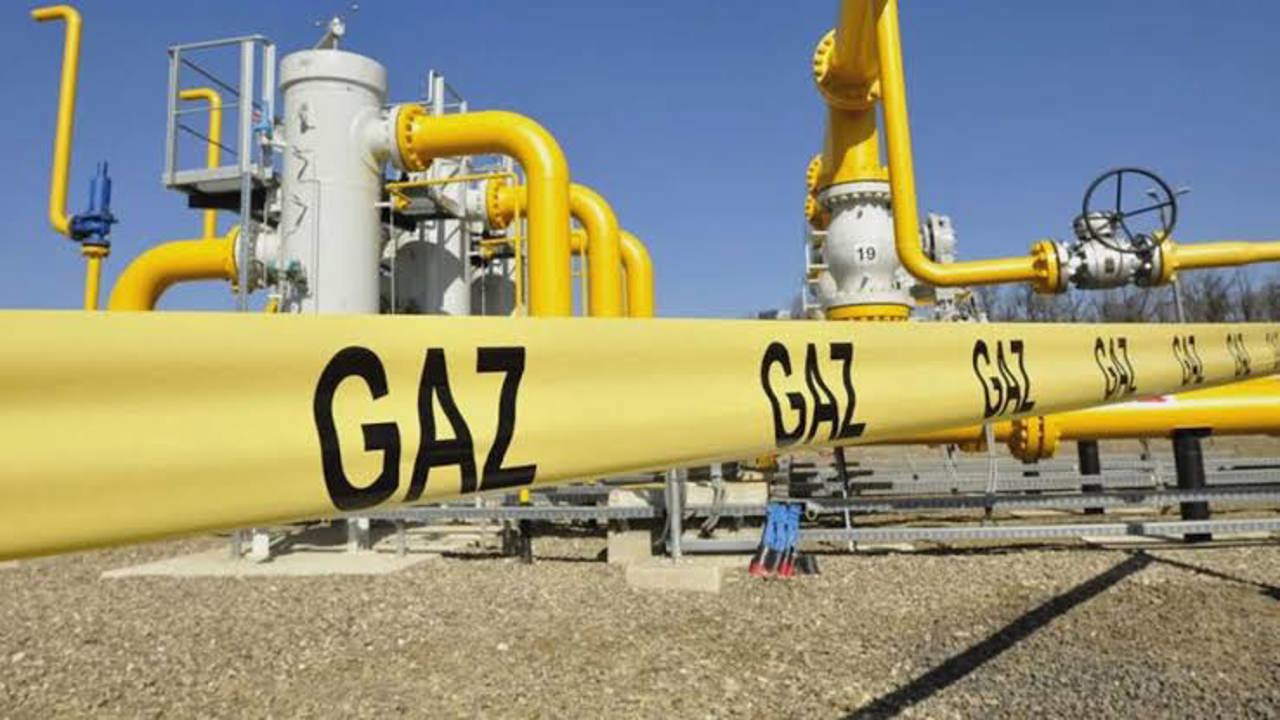
Dwindling flows along the Danube have also compromised cooling capacity for thermal and nuclear power plants. Hungary curtailed electricity generation at its Paks nuclear facility, while Romania temporarily shut down reactors at its Cernavodă nuclear plant to maintain safety margins.
Translation by Iurie Tataru