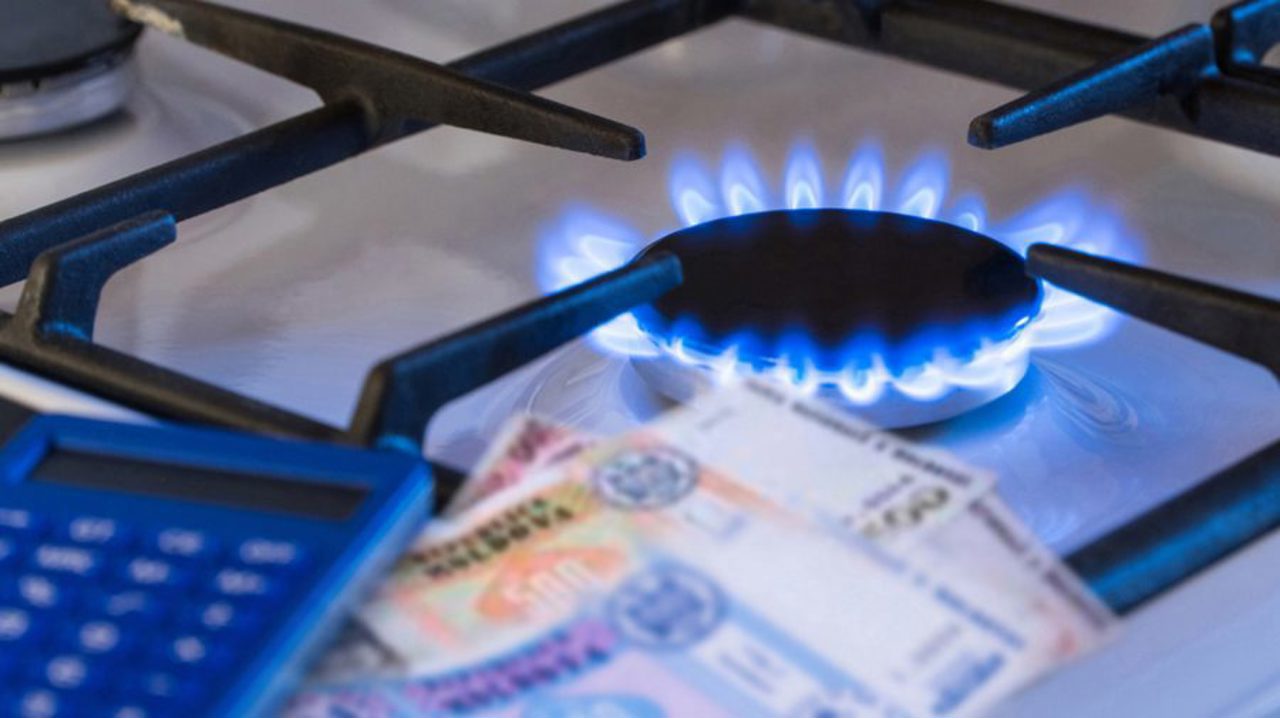
Moldova lifts natural gas tariffs amid rising global import costs
Moldova’s National Agency for Energy Regulation (ANRE) approved on August 21 a 40.8% increase in end-user natural gas tariffs. Starting September 1, 2026, consumers will pay €1.04 (approx. 20.30 MDL) per cubic meter, including VAT, up by €0.30 (5.88 MDL) from the current rate.
The approved rate remains slightly below the €1.07 per cubic meter requested by state-owned supplier Energocom. The supplier sought the increase after accumulating financial deviations of roughly €5.46 million (107 million MDL) driven by surging global wholesale prices.
Import vulnerability and winter preparations
Energocom Acting Director Eugeniu Buzatu told the regulator that current tariffs, set in February 2026 based on a purchase price of €38 per megawatt-hour, no longer reflect market realities. Recent escalations in Middle Eastern conflicts have significantly pushed up European benchmark prices.
ANRE Director General Alexei Taran supported the decision, noting that Moldova depends entirely on imported natural gas. He stressed that adjusting the tariff ensures the public supplier retains sufficient liquidity to secure reserves ahead of peak winter demand.
Import costs averaged €423.28 per thousand cubic meters between January and July 2026. Industry projections indicate procurement costs will surge to €623.54 per thousand cubic meters between August and December.

Public protests and regulatory reform
The tariff hike triggered street protests outside ANRE’s headquarters in Chișinău. Demonstrators and extra-parliamentary political figures rallied against the price hike, demanding greater transparency in energy procurement.
Energy analyst Eugen Muravschi described the tariff increase as economically unavoidable under current regulatory methodology. However, he urged the government to expand targeted compensation mechanisms for vulnerable households.
To avoid sharp, disruptive price adjustments, Energy Minister Dorin Junghietu proposed shifting to quarterly tariff reviews. The proposed framework would compel ANRE to adjust retail gas prices dynamically in response to real-time international market shifts.
Translation by Iurie Tataru