Spotted lanternfly detected in Moldova, threatening crops
Moldovan phytosanitary inspectors have detected the spotted lanternfly (Lycorma delicatula) for the first time in an industrial area of Chisinau. The National Food Safety Agency (ANSA) immediately launched emergency containment and eradication protocols to eliminate the quarantine pest.
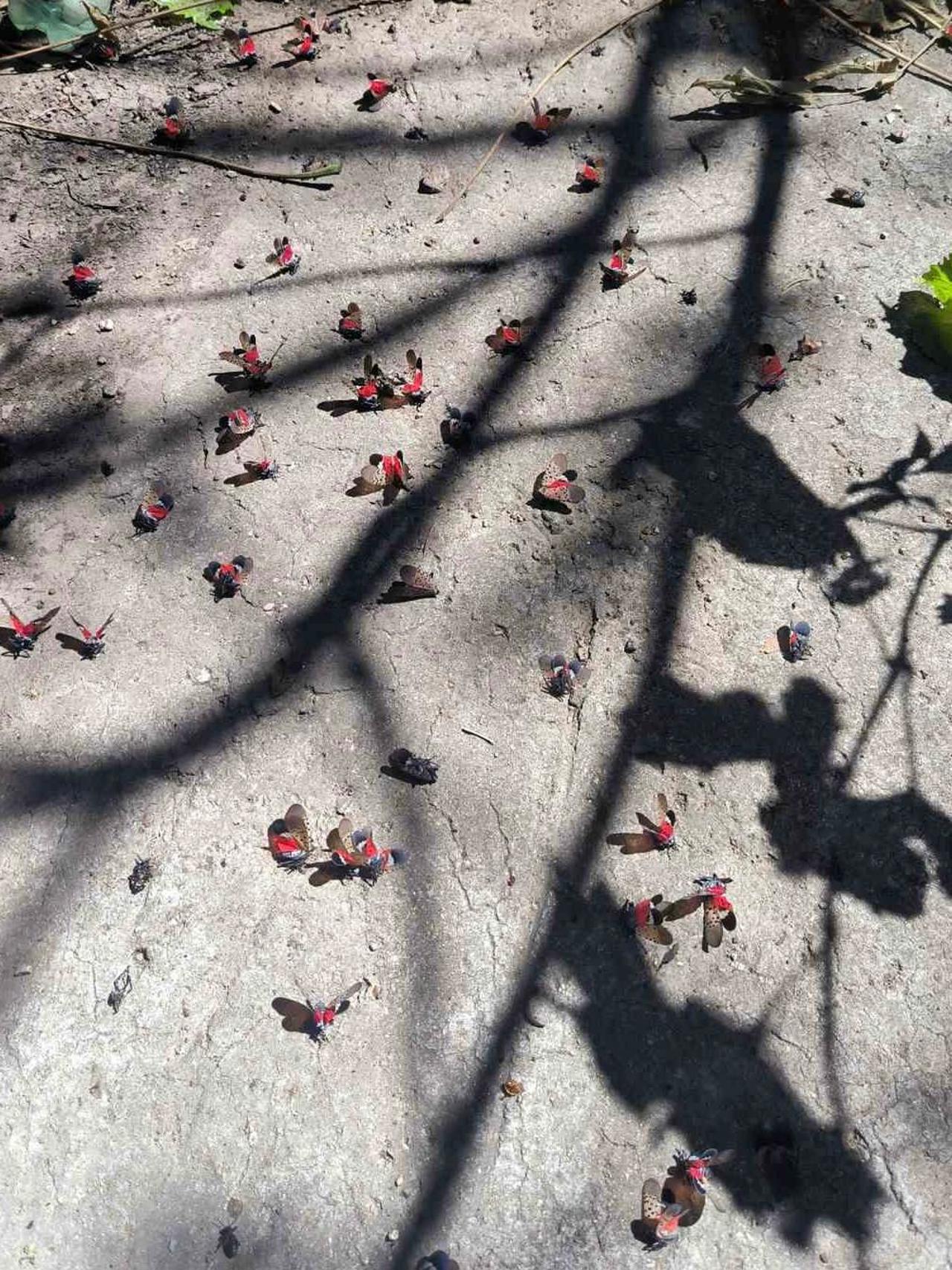
The initial outbreak was identified on wild tree of heaven (Ailanthus altissima) specimens, confirmed by the National Reference Laboratory. While targeted chemical treatments eradicated the primary 7,000-square-meter site, inspectors subsequently identified isolated populations in adjacent public spaces, prompting mandatory citywide disinfection orders.
Major agricultural and economic threats
The invasive Asian insect feeds on sap from more than 70 plant species, posing a severe threat to Moldova’s agricultural and forestry sectors. In vineyards, severe infestations can destroy up to 90% of grape production.
Feeding swarms weaken trees, cause branch dieback, and excrete sticky honeydew that fosters sooty mold, crippling plant photosynthesis. The pest also targets fruit orchards—including apples, plums, cherries, and peaches—as well as maples, walnuts, and willows.
Pest identification and quarantine measures
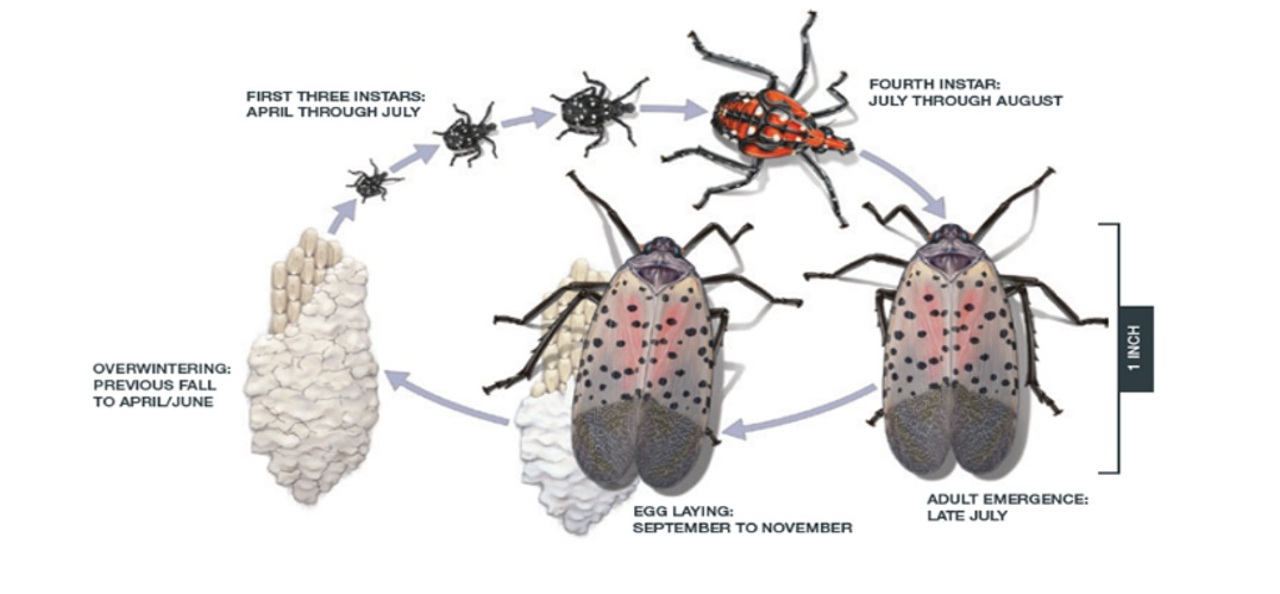
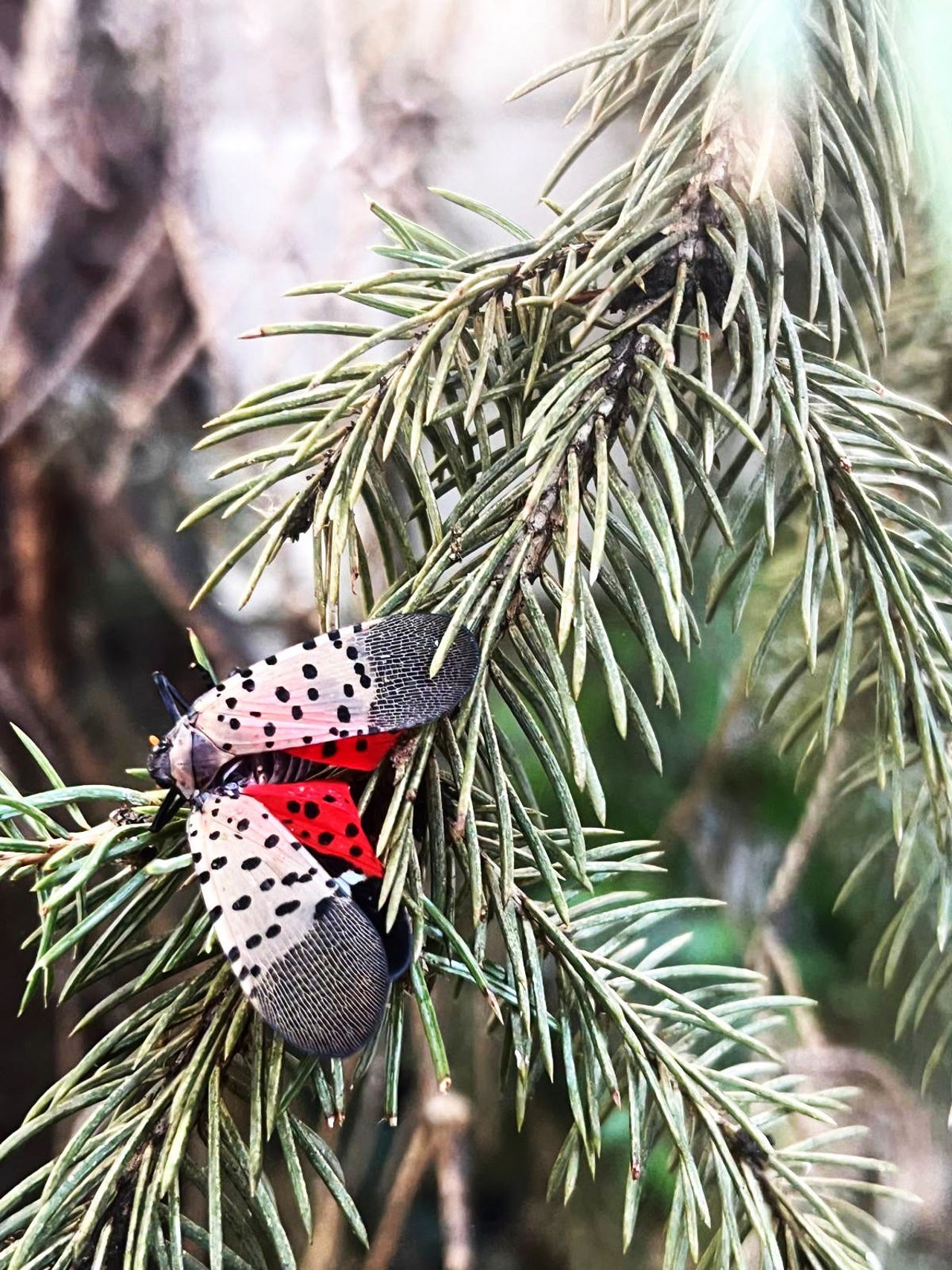
Adult lanternflies measure roughly 25 millimeters in length, sporting grey forewings with black spots and scarlet hindwings visible in flight. Females lay mud-like egg masses on tree bark, freight, vehicles, and outdoor equipment, enabling rapid passive transport across borders.
ANSA has officially notified the European Commission and member parties of the International Plant Protection Convention (IPPC). Authorities urge businesses and residents to inspect outbound vehicles, avoid transporting untreated wood from suspect areas, and report any sightings immediately.
Translation by Iurie Tataru