Central Europe drought devastates fish farms as Danube shrinks
Extreme drought and heat are devastating aquatic ecosystems and commercial fish farms across Central and Eastern Europe, causing millions of euros in damage as major regional waterways dry up.
Oxygen depletion threatens Balkan trout
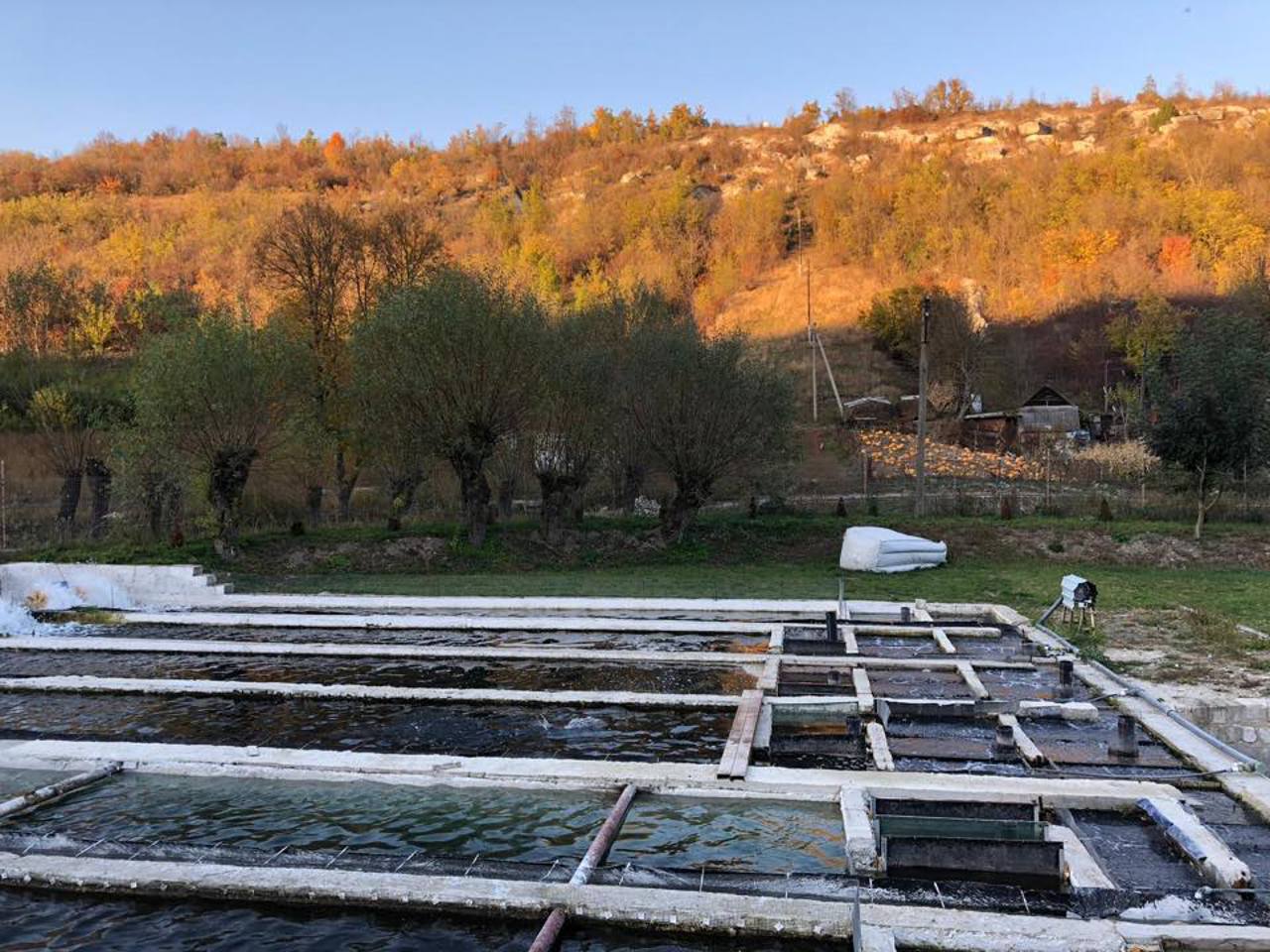
In Bosnia and Herzegovina, a leading Balkan trout producer endowed with mountain river systems, fish farmers are struggling to prevent mass die-offs. Rising summer water temperatures have drastically depleted dissolved oxygen levels in alpine streams, suffocating fish stocks in a matter of hours.
“Over the past five years, we have seen dramatic changes in our ecosystem and the environment, all driven by global warming, and this directly damages fish production, particularly trout,” said Veljko Buđen, owner of a regional trout farm. “Trout is a cold-water species that requires cool, oxygen-rich water. Carp is under less risk here.”
Danube reaches critical lows in Serbia
Prolonged drought has likewise choked the Danube, Europe's second-longest river, leaving vast stretches of dry riverbed exposed across northern Serbia. Where water continues to flow, temperatures have climbed to 30 degrees Celsius, threatening indigenous aquatic species and halting navigation.
“Two years ago, we experienced severe drought on small and medium rivers, which plunged to their biological minimums across Serbia,” said Jelena Jerinić, chief hydrologist at the Republic Hydrometeorological Service of Serbia. “This year, we face severe drought on the Danube itself. We will see what comes next.”
Mounting regional losses
The water crisis is delivering a compounding blow to agriculture, river shipping, and commercial aquaculture throughout the Danube basin. In neighboring Hungary, authorities and sector representatives reported losses of nearly 280 tonnes of fish, with financial damages estimated at over $4 million (approx. €3.44 million).
Translation by Iurie Tataru