Sandu, EU envoy honor Romanian language as cornerstone of identity
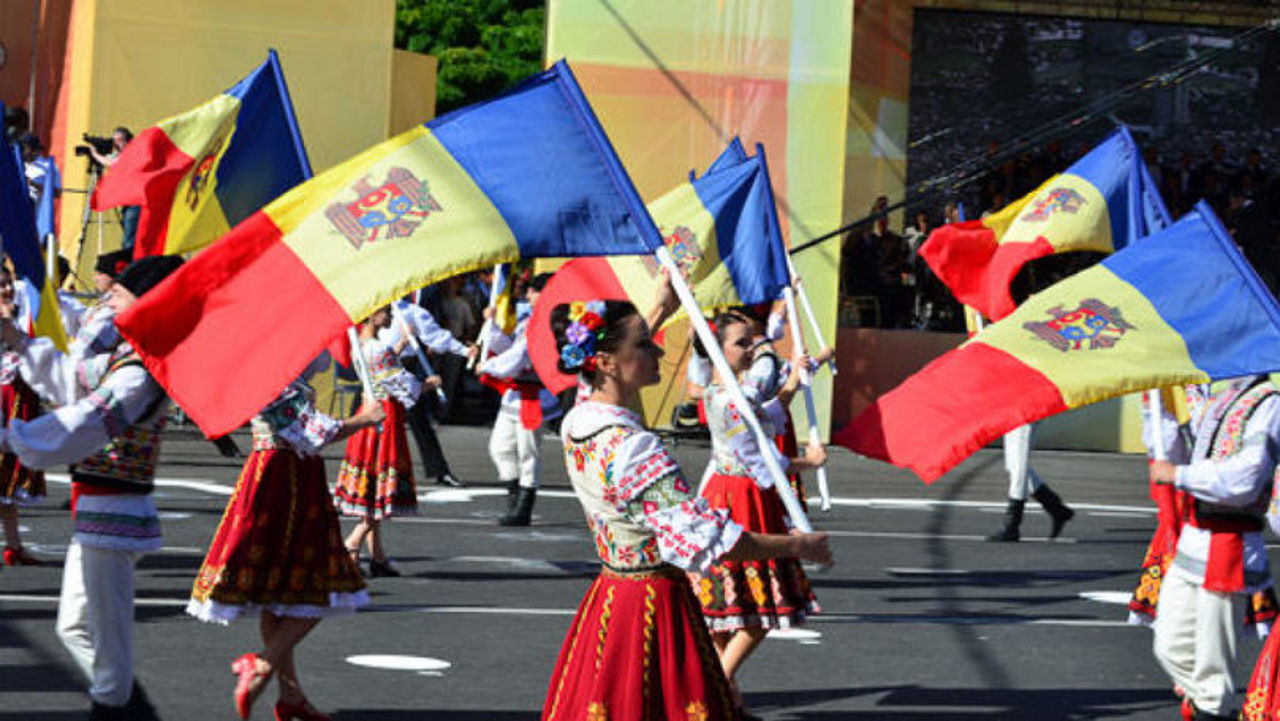
Moldovan state leaders, cultural figures, and foreign diplomats marked Romanian Language Day on Monday, celebrating the mother tongue as an essential pillar of national identity and cultural endurance.
Diplomatic support and European roots
Among the day's highlights, the European Union's Ambassador to Moldova, Iwona Piórko, recited a poem written by her daughter, Julia Piórko Bermig, and adapted into Romanian by author Paula Erizanu.
“The mother tongue means family and roots, identity and emotion. It is one of the bonds bringing us closer to our loved ones, to the generations that preceded us and to those who come after us,” the EU Delegation said in a statement.
Overcoming historical repression
Moldovan President Maia Sandu addressed the historical resilience of the language against Soviet-era prohibitions, urging citizens to safeguard their cultural heritage for upcoming generations.
“The Romanian language is part of our very being. Our parents and grandparents continued to speak it even through the harshest times, despite bans and humiliations. Thanks to them, Romanian endured on this soil,” Sandu said.
“Today we can speak it freely, without fear. All the more, we have a duty to nurture it,” Sandu added, calling on citizens to pass down “a living, beautifully spoken language in which to tell their stories, sing their doinas, and voice their longing.”
Institutional tributes to cultural heritage
Moldova's Culture Ministry emphasized linguistic richness and dialectal diversity across communities. The ministry described the language as a shared space of identity and emotional belonging.
“The Romanian language is the space where we experience our emotions, express our thoughts, and feel at home,” the ministry said, urging citizens to speak it carefully and explore it through books.
Interior Minister Daniela Misail-Nichitin released a video tribute alongside her team, honoring historical and modern literary figures who preserved Romanian through poetry and song.
“The Romanian language is immortal through those who wrote it, sang it, and defended it,” Misail-Nichitin said, paying tribute to national poets Grigore Vieru and Dumitru Matcovschi, classic writers Mihai Eminescu, Ion Creangă, and Vasile Alecsandri, and composers Eugen Doga and Doina and Ion Aldea-Teodorovici.
Gagauzia highlights multi-ethnic harmony
In Moldova's autonomous southern region of Gagauzia, the People's Assembly issued a congratulatory statement in Romanian, underlining the role of linguistic respect in preserving social cohesion.
“In multi-ethnic Gagauzia, respect for languages and cultural traditions provides a vital foundation for mutual understanding, harmony, and good neighborliness,” the regional legislative leadership said.
A historic legacy of democratic awakening
The holiday holds deep historical significance dating back to Moldova's National Rebirth movement. On August 31, 1989, following a mass rally of tens of thousands at the Great National Assembly in Chișinău, authorities adopted Romanian as the official language and reinstated the Latin script.
Romanian Language Day is celebrated annually on August 31 across Moldova, neighboring EU member Romania, and parts of Ukraine.
Translation by Iurie Tataru