Nutritionist Maria-Victoria Racu issues food safety guide for school lunches
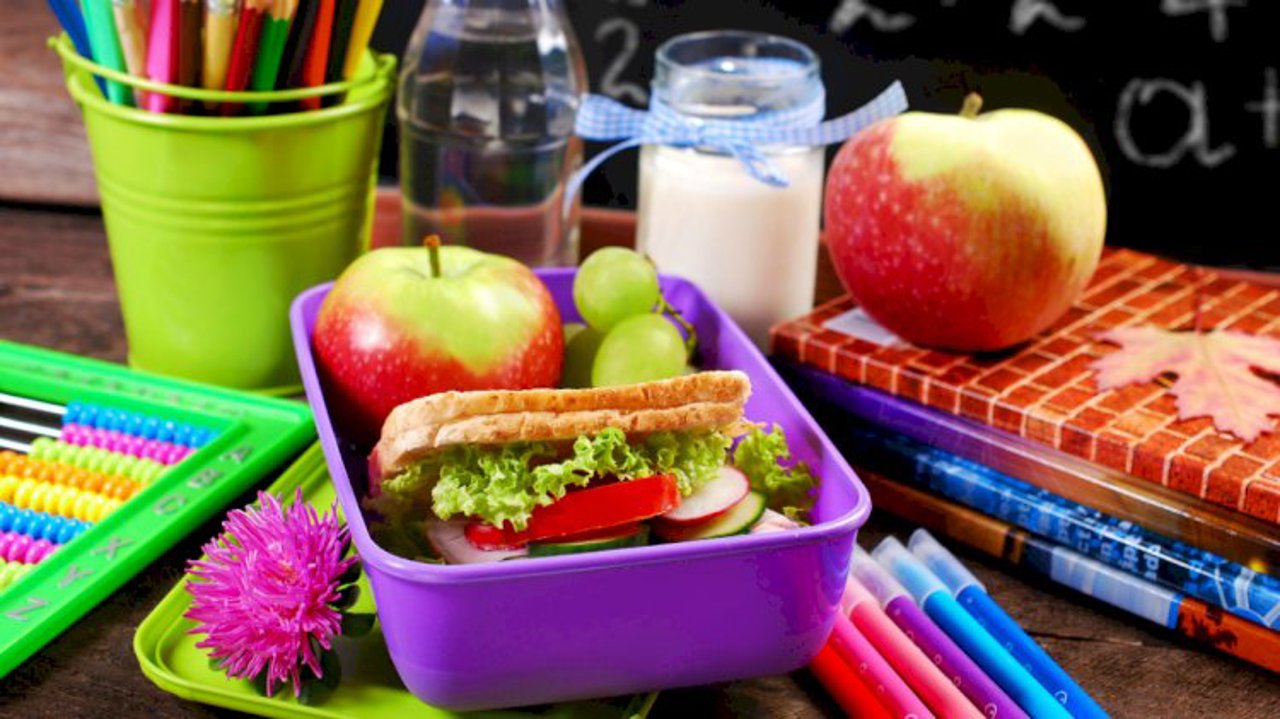
School lunchboxes must balance nutrition, freshness, and strict food safety to protect children from foodborne illnesses, public health nutritionist Maria-Victoria Racu said on public broadcaster Radio Moldova, advising parents on preparing wholesome daily meals.
For many pupils, food packed at home remains their primary source of nourishment during the school day. Consequently, parents must choose items that supply sustained energy while remaining safe to consume under classroom conditions.
Two-hour safety window
If lunches are packed in regular containers without thermal insulation, perishable foods can only be safely kept at room temperature for up to two hours, Racu cautioned. Beyond this window, bacterial growth significantly increases the risk of contamination.
To ensure both nutritional balance and practical convenience, the specialist recommended adhering to a structured yet straightforward combination of essential food groups.
A simple formula for daily balance
“First of all, there is a simple rule: we pack one piece of fruit, two types of vegetables in the container, and a protein source, where our choices are somewhat limited,” Racu said in an interview with journalist Daniela Gherman on the program “Zi de Zi”. “We should not include fish because of its pungent smell and high perishability. Instead, we can choose pre-cooked legumes like beans and lentils.”
Suitable protein alternatives include roasted poultry or meat, hard-boiled eggs, and hummus. These options pair well with whole-grain staples, while parents can also choose rice or traditional polenta (mămăligă), depending on the child's preferences.
A dairy item—such as semi-hard cheese, fresh curd cheese, or plain yogurt—can complete the meal to provide calcium and essential nutrients.
Foods to avoid in the classroom
Health experts advise against packing fried foods, heavily spiced items, and easily perishable preparations. Mayonnaise-based salads and cream-filled pastries pose high microbiological risks and should be excluded from school bags.
Ease of handling is equally essential for young learners. Meals that are excessively saucy, sticky, or awkward to eat can cause discomfort during brief classroom recesses.
By aligning meal prep with food hygiene standards and children's individual tastes, families can sustain academic focus while effectively preventing foodborne infections.
Translation by Iurie Tataru