Moldova limits farm import permits to late October over price fears
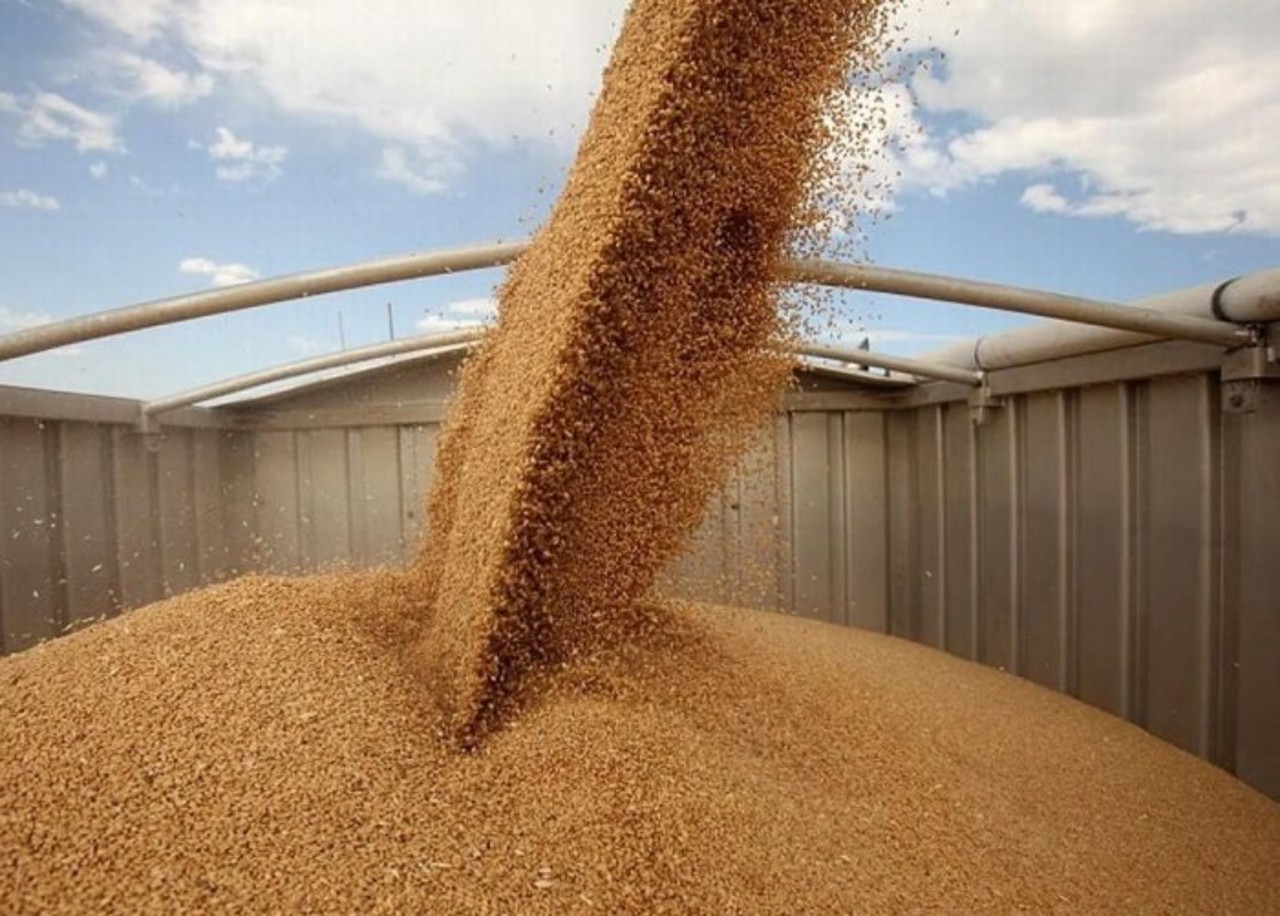
Moldovan lawmakers passed legislation on Thursday introducing temporary licensing for grain and oilseed imports through Oct. 31, endorsing a government compromise aimed at shielding domestic growers while curbing food price inflation.
The measure, approved in a second reading by 53 majority deputies, rejected a proposal by Agriculture Committee Chairman Serghei Ivanov of the Our Party faction to extend restrictions through late 2027. The Executive maintained that prolonged barriers would disrupt the milling and livestock sectors and drive up consumer prices.
Balancing grain growers and meat processors
Dorian Istrati, vice chairman of the parliamentary Committee on Economy, Budget, and Finance, said the shortened timeframe prevents supply bottlenecks for domestic processors. He cited petitions submitted by the Pork Producers Association and the National Poultry Breeders Association of Moldova opposing extended curbs.
“If you recall, during previous interventions of this kind, the retail price of meat increased,” Istrati said. “We must intervene cautiously so as not to distort the operations of other businesses, specifically livestock producers.”
Conflict of interest debate
Lawmaker Sergiu Stefanco of the Democrația Acasă faction criticized the tight deadline and the decision to bar agricultural associations from licensing boards. Istrati countered that including industry lobbies would create an untenable conflict of interest.
“Industry associations represent the very companies that will apply for licenses from this commission,” Istrati said. “When you represent one side, you cannot take part in issuing regulatory permits. That is why the government advised removing association representatives from the commission.”
Opposition procedural objections
Opposition lawmakers argued that an expiration date of Oct. 31 fails to protect farmers, noting that Moldova's sunflower harvest has barely begun. Former prime minister Ion Chicu, representing the Alternativa faction, questioned the legislative speed after the first reading was held just a day earlier on Sept. 3.
“We sat in plenary session until nearly 3:00 p.m. yesterday, and the committee meeting was called immediately,” Chicu said, questioning whether statutory intervals between readings were violated. Istrati responded that the agenda had been circulated the previous morning without objections.
Independent lawmaker and former prime minister Vasile Tarlev voted against the bill, while Ivanov and several opposition members abstained from the final vote.
Translation by Iurie Tataru
RELATED COVERAGE
- Moldovan farmers demand extended import curbs on Ukrainian grain
- Moldova targets 1.55m tonnes harvest amid low grain prices
- Moldova approves €150M EIB agrifood modernization deal
- Moldova extends 2026–2030 agricultural policy consultations amid funding disputes
- Moldovan rail tariffs threaten grain transport shift to roads