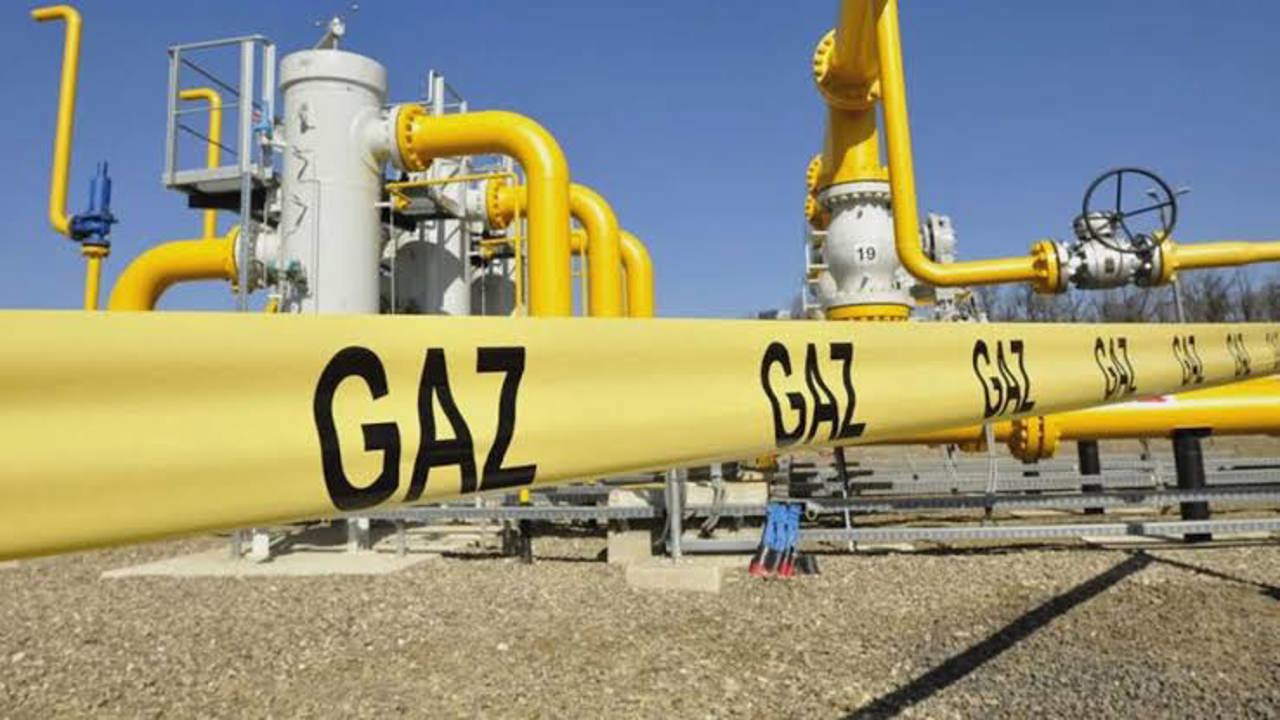
Tofan Cabinet backs sweeping 2027 tax reform in Chisinau

Moldova's Government approved the 2027 fiscal and customs policy on Tuesday, introducing tax overhauls and excise hikes designed to generate €254.7 million (approx. 5.1 billion MDL) in additional state budget revenue.
Shifting burden toward consumption and sin taxes
The reform package restructures personal income exemptions, adjusts value-added tax (VAT) thresholds, and raises excise duties on fuel and tobacco. Prime Minister Vasile Tofan stated at the start of the cabinet meeting that the measures aim to rebalance the fiscal burden away from production and toward negative externalities.
“Our vision for this fiscal policy focuses on taxing labour and investment less, while taxing vices more and eliminating exemptions that make administrative compliance unnecessarily complex and costly,” said Tofan.
Under the approved provisions, the personal annual tax exemption will rise from 29,700 MDL to 40,020 MDL (€1,998). Corporate investment incentives will also expand, extending the zero-rate tax holiday on undistributed profits through 2029 for companies with annual revenues of up to €10.0 million (approx. 200 million MDL), up from the previous €5.0 million threshold.
New E-commerce charges and VAT harmonisation
Cross-border online retail will see the earliest changes, taking effect on October 1, 2026. Consignments valued under €150 will be subject to a standard 20% VAT and a non-refundable administrative processing fee of €0.60 (12 MDL) per parcel, paid by recipients upon collection to offset surging customs processing workloads.
Domestic VAT rates will also shift across key sectors. The hospitality industry (HoReCa) will see its preferential VAT rate rise from 8% to 12%, while livestock, crop production, and imported fresh fruit will align at 12%. Household natural gas supplies will carry an 8% reduced VAT rate up to 150 cubic metres starting April 1, 2027, alongside zero VAT for residential electricity capped at 100 kWh per consumption point.
Excise duties on tobacco products will increase by 20% in 2027, followed by 15% annual increases through 2029, alongside a 20% excise hike on diesel fuel. A new 6% sin tax will also apply to gambling deposits and lottery tickets, while financial and insurance sector profits will face an 18% corporate income tax rate.

Business community reactions and budget projections
Finance Minister Victoria Belous outlined that the package will generate €134.8 million from excises, €79.9 million from VAT, and €40.9 million from income taxes and gambling duties.
“All these adjustments aim to ensure equitable treatment for taxpayers in comparable economic positions while stimulating investment,” said Belous, noting that expanding the personal tax exemption alone represents an €40.0 million state investment back into household incomes.

Trade unions welcomed the preservation of existing wage taxation brackets and the personal exemption increase. However, the Chamber of Commerce and Industry (CCI) urged the government to widen the zero-tax reinvestment threshold to businesses with revenues up to €17.5 million, citing regional competitiveness pressures.
The Foreign Investors Association (FIA) endorsed the stable income tax baseline and reduced medicine VAT rates, while urging authorities to postpone planned excises on sweetened non-alcoholic drinks until comprehensive sector impact assessments are completed.
Following government clearance, the draft legislation now heads to Parliament for legislative review, with primary provisions scheduled to take effect on January 1, 2027.
Translation by Iurie Tataru
RELATED COVERAGE