Moldova must align EU path with Dniester reintegration
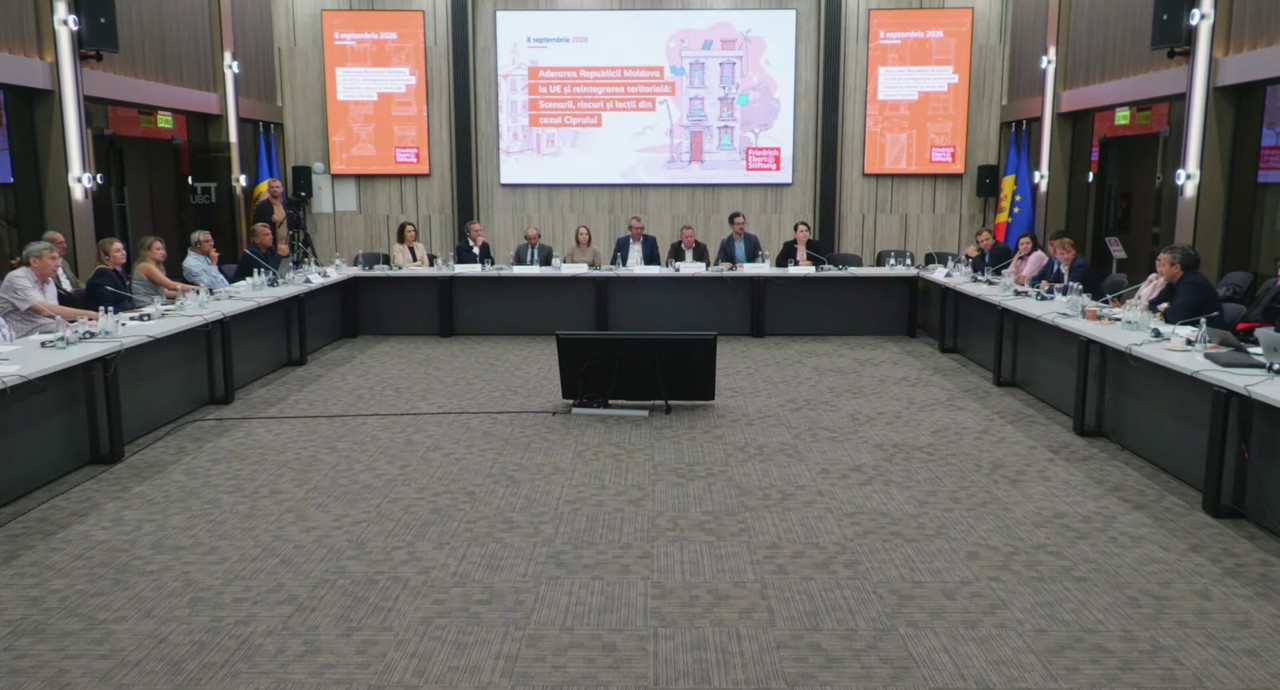
Moldovan policymakers must coordinate European Union integration with the reintegration of the country's eastern districts or risk strategic failure on both fronts, a policy study released Monday in Chișinău warned.
The analytical paper, titled “Moldova’s Strategic Dilemma: EU Accession, Territorial Reintegration, and Lessons from Cyprus,” was presented at a high-level conference in Chișinău. The report examines how the country can advance toward Brussels while managing an unresolved conflict on the left bank of the Dniester.
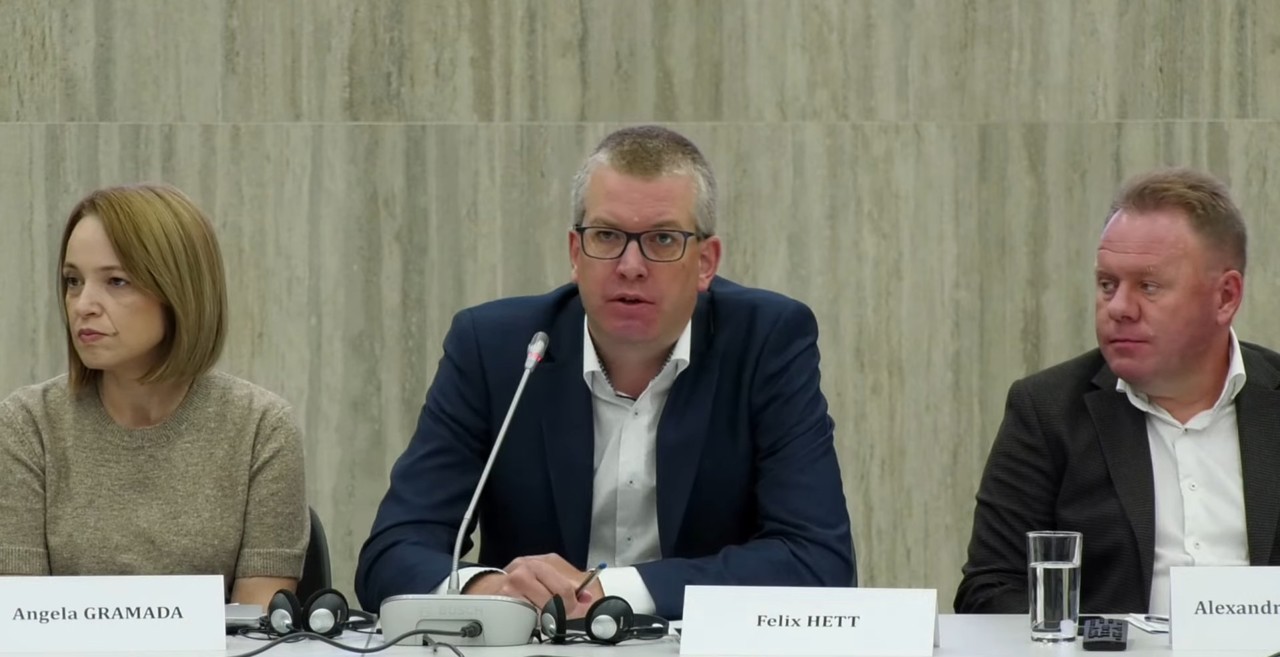
Felix Hett, head of the Friedrich Ebert Foundation Moldova office, underscored that the research outlines possibilities rather than definitive forecasts amid continental turbulence.
“The authors do not attempt to predict what will happen, but present what could happen,” said Felix Hett. “One of the defining features of our times is unpredictability, far more pronounced today than 10 or 15 years ago.”
Strategic interdependence and the Cyprus precedent
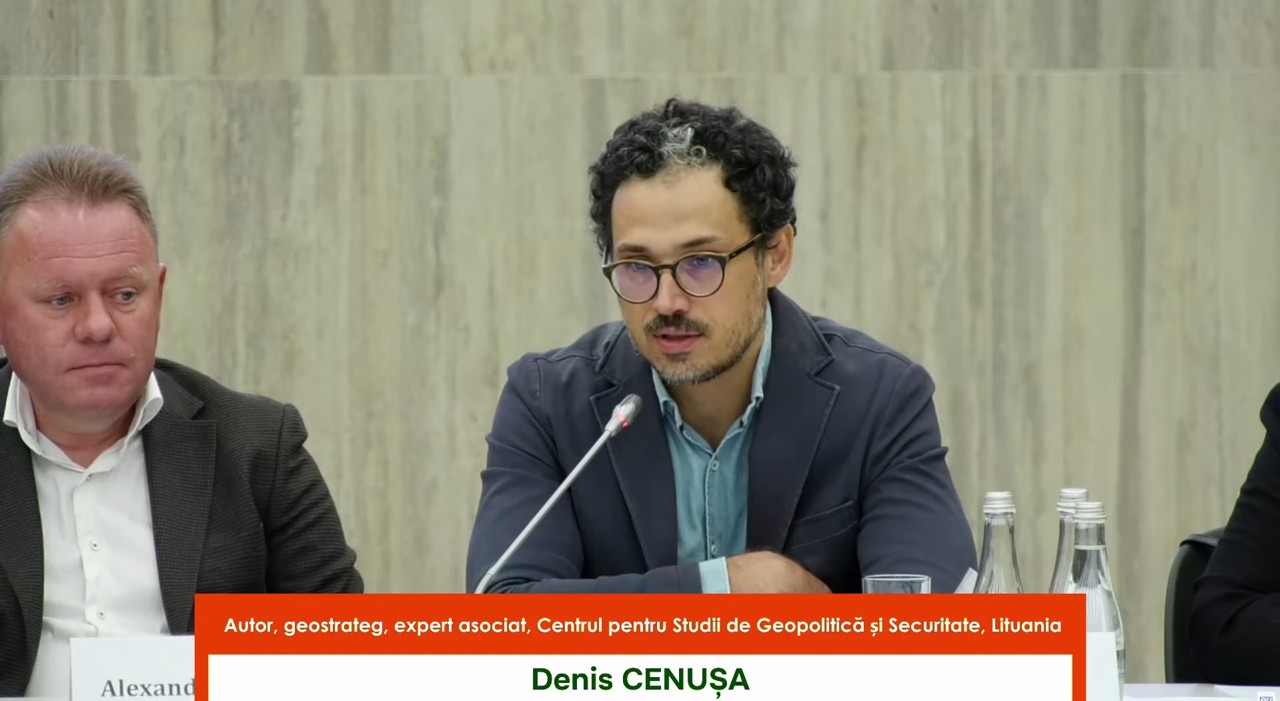
Study co-author Denis Cenușa, an associate expert at the Latvian Center for Geopolitical and Security Studies, argued that European accession and territorial reintegration must reinforce one another through a synchronized national strategy.
“The EU accession track is structured and clearly guided, whereas reintegration remains far less defined,” said Denis Cenușa. “European Commission officials have signaled that resolving the conflict must proceed as an integral part of the accession process, not as an afterthought.”
Cenușa identified two key vulnerabilities: potential enlargement fatigue inside the EU and the challenge of implementing community reforms across the left bank of the Dniester. Without preparatory work, aligning the breakaway region with European standards could derail the broader integration timeline.
The study outlines three prospective pathways modeled on the 2004 accession of Cyprus, where EU legislation was suspended in the northern territory:
- The Reintegrated State (Desirable Scenario): Chișinău restores constitutional sovereignty across its entire territory before joining the bloc, extending EU law to both banks of the Dniester. This path leverages the economic vulnerability of the eastern districts and diminished Russian leverage post-2022, though it faces domestic institutional limits.
- The Divided Territory (Cyprus Model): Moldova enters the EU while the eastern districts remain outside central control. While preserving the accession calendar, this scenario deprives the EU of leverage post-membership and imports the permanent security risk of Russian troops stationed inside a member state.
- The Fragmented State (Stalemate): Moldova fails both to join the EU and to restore territorial integrity, leaving the country vulnerable to opportunistic regional actors and renewed geopolitical pressure from Moscow.
Decisive political strategy required
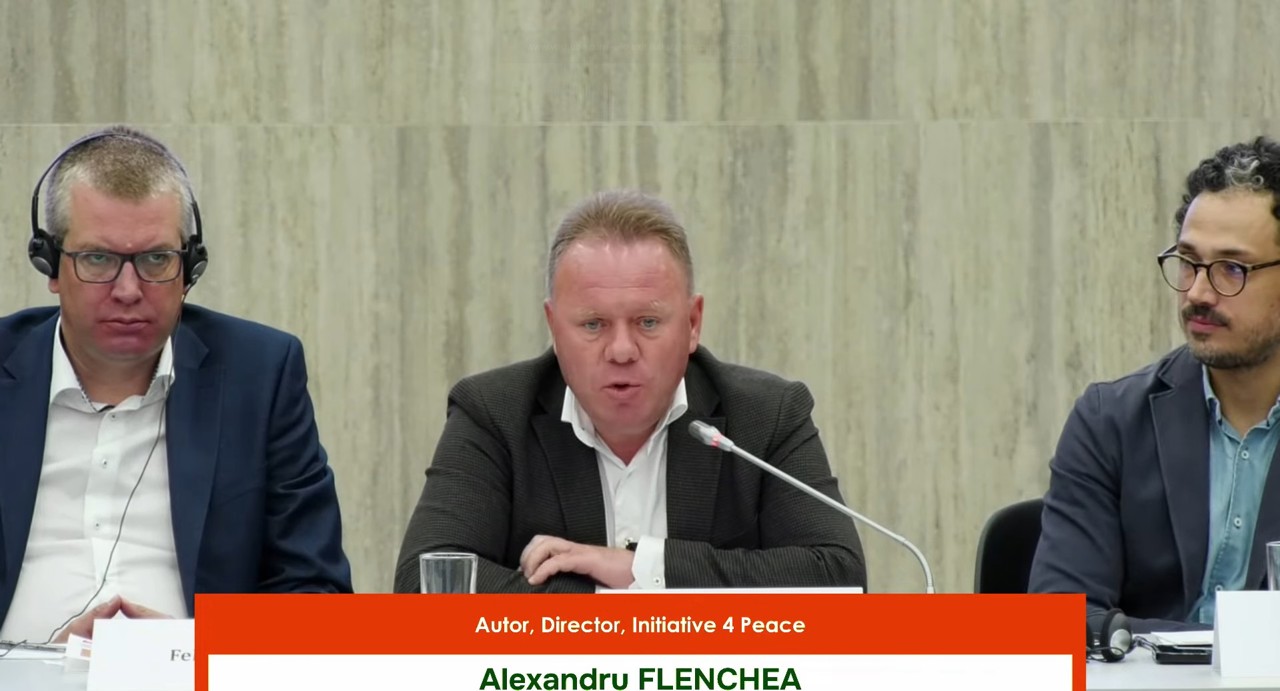
Co-author Alexandru Flenchea, director of Initiative 4 Peace and former Deputy Prime Minister for Reintegration, warned that managing the two files in administrative silos invites strategic paralysis.
“Without a resolute strategic choice by Moldova’s leadership, the probability of failure on both tracks increases substantially,” said Alexandru Flenchea. “If we do not answer honestly what our primary objective is, we risk achieving neither.”
Flenchea challenged assumptions that European candidate status alone would persuade the separatist leadership in Tiraspol to reintegrate voluntarily. He emphasized that resolving regional capture requires extending constitutional authority.
“The only way to eliminate the de facto capture of the state is to extend constitutional sovereignty, ensuring Moldovan law governs the left bank and local businesses operate as lawful legal entities,” Flenchea added.
Vadim Pistrinciuc, executive director of the Institute for Strategic Initiatives (IPIS), cautioned that Moscow treats Moldova's European trajectory as an adversarial development and will continue deploying hybrid tactics.
“European integration is viewed by the Russian Federation as an unfriendly act,” said Vadim Pistrinciuc. “It is naive to believe they will not exploit the leverage they created precisely to keep regional states within their orbit.”
Denis Cenușa noted that as the EU steps up its collective defense and security posture, Chișinău must realistically manage the geopolitical fallout.
“The European Union is transforming its profile and investing heavily in defense, which Russia perceives as a challenge,” said Cenușa. “Moldova has assumed this course and must maintain realistic communication, regardless of Moscow's reaction.”
European Commissioner for Enlargement Marta Kos previously told Moldova 1 that a resolution for the eastern districts will be identified prior to EU accession, noting that the unresolved dispute does not constitute an insurmountable obstacle to Moldova's European membership.
RELATED COVERAGE
- Experts: The Transnistrian conflict is no obstacle to Moldova’s EU accession
- Moldova could join the EU before reintegrating the Transnistrian region, authorities and experts
- Moldova prime minister-designate unveils EU-driven Transnistria plan
- Moldova to open final EU negotiation clusters as Russian troop withdrawal enters Brussels agenda
- Historic shift: Majority in Transnistria favor Moldovan reintegration