Middle East crisis sparks LNG rally as Moldova shores up winter gas
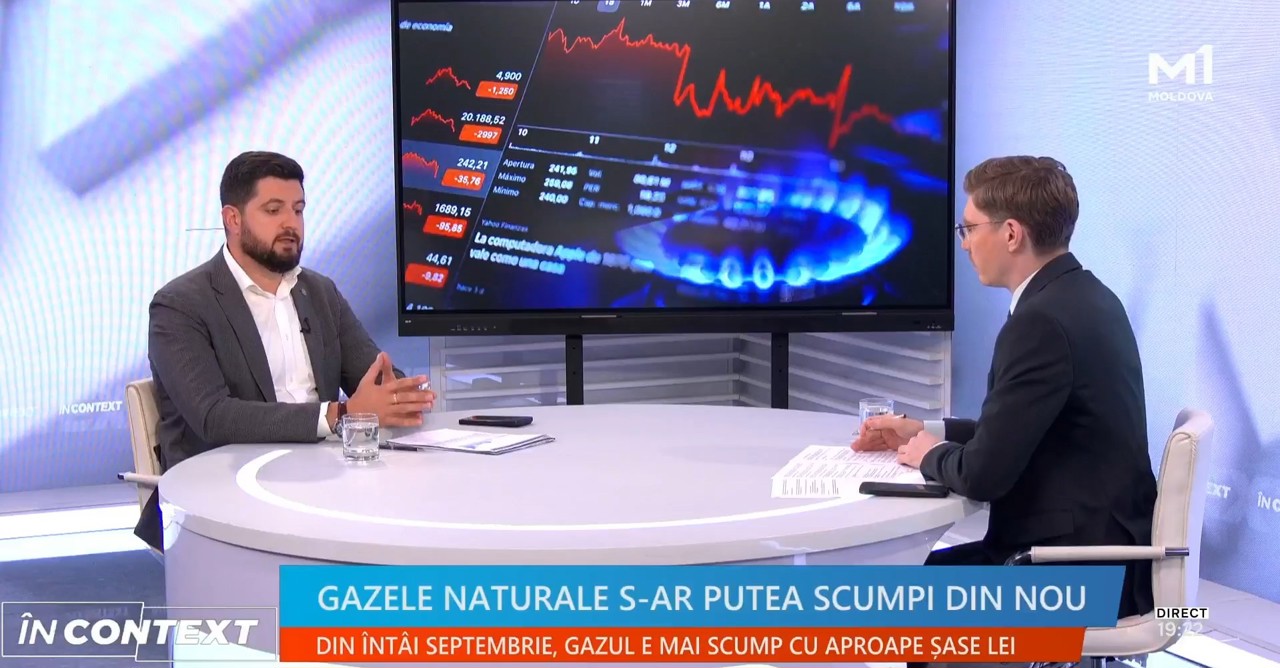
Moldova has contracted 75 percent of its winter natural gas supplies to shield consumers from surging European benchmark prices driven by Middle East turmoil and intense summer heat waves, Energy Minister Dorin Junghietu said.
Speaking on public broadcaster Moldova 1's "În Context" program on September 8, Junghietu warned that international gas hubs face severe daily volatility. European benchmark prices at the Dutch Title Transfer Facility (TTF) jumped from €73.6 per megawatt-hour in morning trade to €75.1 per megawatt-hour by late afternoon.
Supply constraints and summer demand drain European buffers
A persistent maritime bottleneck in the Middle East has disrupted roughly 20 percent of global liquefied natural gas (LNG) output normally supplied by Qatar, leaving European buyers short of flexible replacement cargoes.
“The global market is missing those 20 percent of LNG volumes supplied by Qatari producers,” said Junghietu. “Ongoing blockades along Middle Eastern maritime corridors maintain upward pressure, and those volumes simply remain unavailable.”
The supply deficit coincided with an intense heat wave across the continent, which crippled cooling systems at multiple nuclear reactors and forced utilities to burn stored natural gas for electricity generation. As a result, underground gas storage levels across the European Union stand at roughly 66 percent of capacity ahead of the heating season.
Indexed contracts replace fixed-rate hedging
This geopolitical instability has altered market practices, ending the traditional approach of stockpiling inexpensive summer gas for winter heating. European traders now operate almost exclusively through forward contracts tied to monthly average price indexes rather than locking in fixed rates.
“The traditional logic of buying cheap gas during the summer to consume in the winter is no longer viable,” Junghietu noted. “European exchange traders rely heavily on indexed forward contracts. No supplier is willing to shoulder the financial exposure of fixed-price sales, and any advance price lock requires steep risk premiums.”
Strategic reserves and domestic tariff pressure
To mitigate regional price shocks, Moldova has phased its gas procurement for the 2026–2027 heating season, securing 75 percent of projected domestic demand in advance. State utilities will acquire the remaining 25 percent on spot markets to address consumption fluctuations.
“We also hold 50 million cubic meters in strategic reserves stored in Romania and Ukraine, which will be expanded by an additional 8 million cubic meters,” Junghietu added, noting that domestic suppliers must accumulate approximately 140 million cubic meters in storage obligations by November 1.
The global rally has already hit domestic retail consumers. On September 1, natural gas tariffs in Moldova increased by nearly 41 percent, reaching 20.30 Moldovan lei (€1.01) per cubic meter—a jump of 5.88 lei (€0.29) compared to late-summer levels.
Translation by Iurie Tataru
RELATED COVERAGE
- Moldova faces 38% gas price hike amid surging energy market
- Gas prices rise amid Middle East tensions; Energocom seeks a tariff of about 21 lei
- Energocom reserves gas capacity for winter
- Moldova gas hike: Energocom seeks surge to €1.07/m³
- Protest over gas tariff increase: Opposition calls for early elections