Over 120 11-year-olds admitted to military schools on the Nistru's left bank, prioritizing orphans
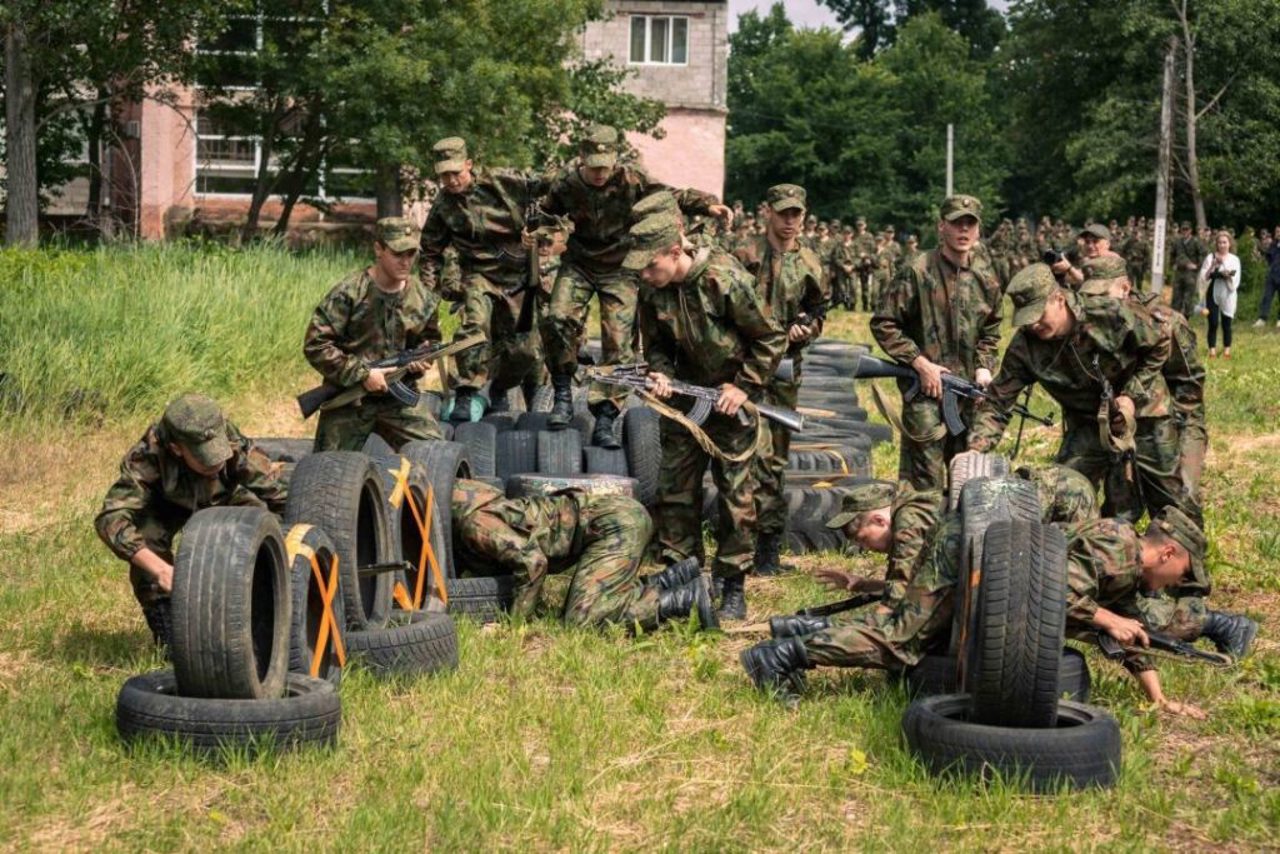
In the 2026–2027 academic year, military educational institutions on the left bank of the Nistru enrolled 127 students. According to official data, 65 minors were admitted to the "Suvorov" military school, while 62 students were accepted into the cadet school in Tighina (Bender), where girls make up approximately half of the new admissions.
The two militarized institutions prepare children for future integration into the force and security structures of the occupation regime, according to Promo-LEX.
The cadet school, established in 2002, was the first military-focused educational institution for minors in the region.
The "Suvorov" military school was founded in 2017 with support from the Russian Federation, three years after the annexation of Crimea. It is the only institution of its kind in the Transnistrian region that combines middle and lyceum education (grades V–XI) with systematic military training. From 2017 to 2024, 137 students graduated from the full seven-year program.
This school has a capacity of 300 students and has allocated places for minors from outside the region since its inception. An article published by “Zvezda,” the Russian Ministry of Defense’s television network, reported that 12 places were set aside for children from Gagauzia during the 2017-2018 school year.
Children trained in weapons and drones
With the outbreak of the war against Ukraine, Russian authorities are expanding their military-patriotic education system for children and young people, including the establishment of new cadet classes and military educational institutions.
The educational process closely mimics the conditions and discipline of military life. From the age of 11, children wear military camouflage uniforms, live in barracks, and are under constant supervision by military personnel.
In addition to core subjects, students receive military training, including instruction in the use of weapons and drones.
Last year, 120 children were enrolled in the two militarized institutions, with some coming from vulnerable families and boarding schools.
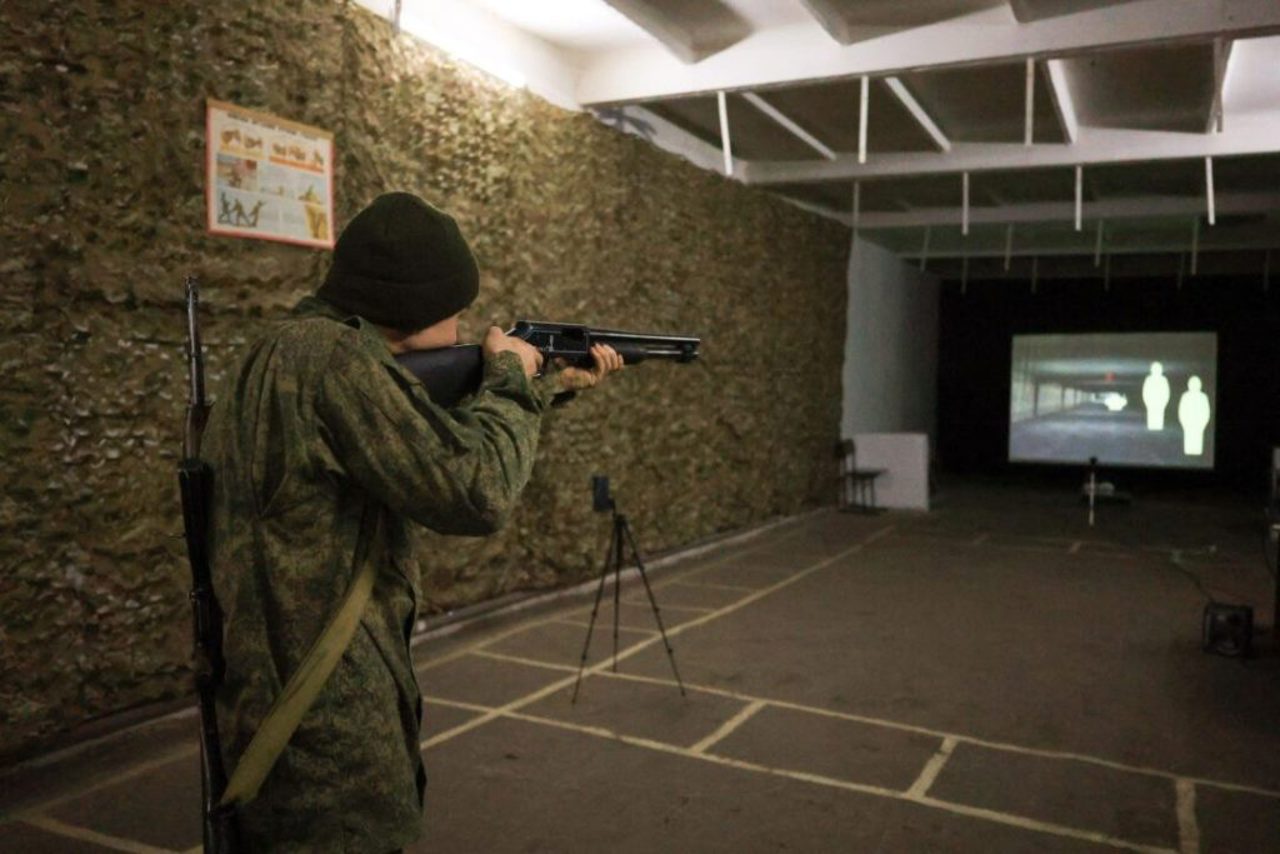
Promo-LEX has previously reported that children in these institutions are at risk of being coerced by paramilitary organizations into signing long-term service contracts; refusing to sign these contracts can lead to reprisals.
In 2025, Promo-LEX published two analytical articles examining the lives of children in these institutions and how militarized education influences their development.
Students, starting at age 11, live in barracks-like conditions under military supervision. They wear military uniforms designed to instill pride and a sense of belonging to the so-called “tmr army.”
The teaching staff is diverse, comprising both civilians and active or reserve military personnel. Contact with their families is limited, so the paramilitary structures effectively assume responsibility for the children's education and upbringing.
School regulations require minors to participate in shooting exercises, tactical field drills, and military parades. This environment, particularly for children aged 11 to 17—a critical period for personality development—can have lasting effects.
Enrollment in the military school occurs through an entrance exam, with priority given to orphaned children or those without parental care, children from single-parent families, and those from families of law enforcement employees or servicemen in the Russian Task Force or peacekeeping forces.
These groups make up approximately 30% of the total number of students admitted to the "Suvorov" military school.
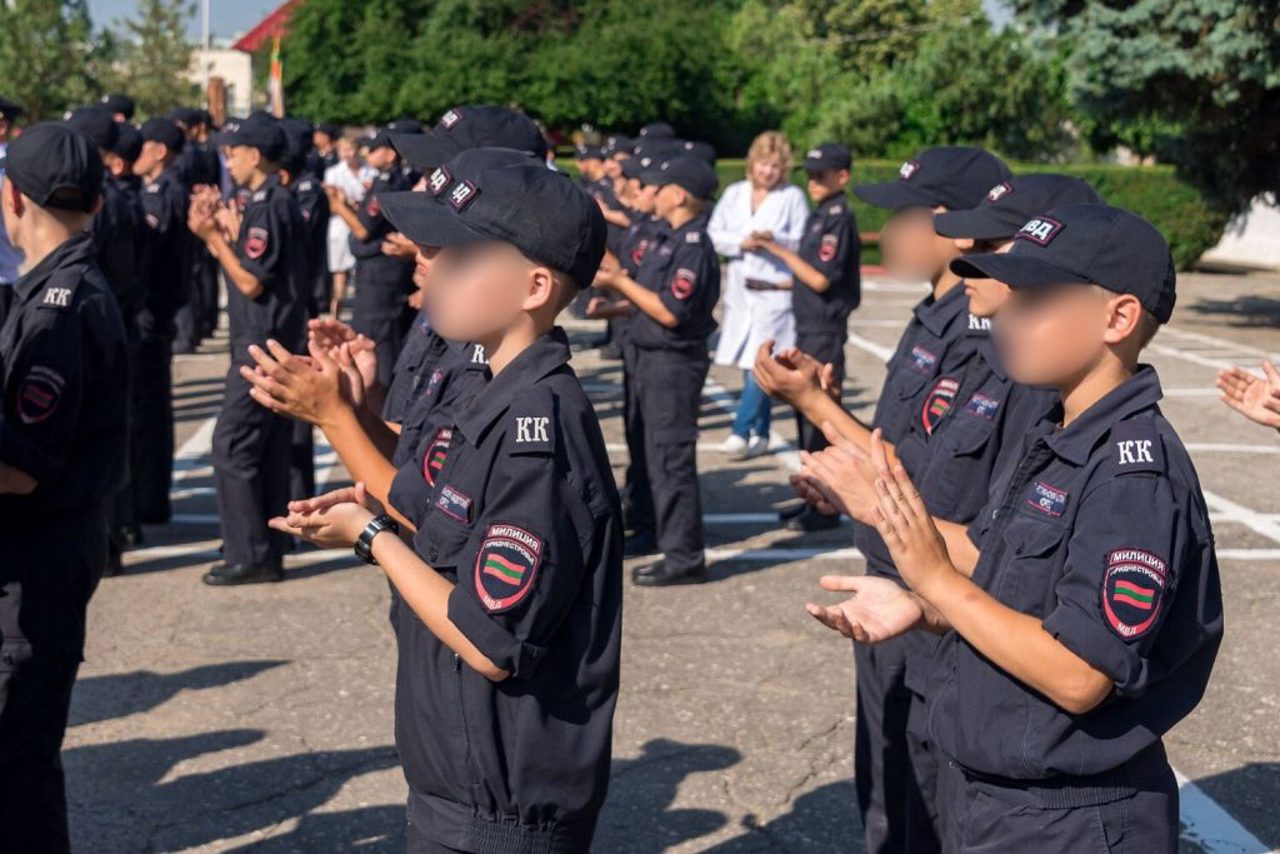
The cadet school's history began in 2002, when it became the region's first military-oriented educational institution for minors. Its objective is to prepare young people for careers in local law enforcement and paramilitary structures.
The school operates as a boarding institution for students in grades 5 to 11 and is subordinate to the Ministry of Internal Affairs.
From 2002 to 2025, 507 minors graduated from the cadet school, which has a full seven-year study cycle. Each year, the institution recruits approximately 50 minors. Currently, the school has over 176 students.
Children of employees in paramilitary and law enforcement agencies, as well as orphans or those without parental care, are admitted without competition. After graduating from the cadet school, most cadets continue their education at the law institute in Tiraspol, where they follow a five-year program and are subsequently recruited into local law enforcement agencies.
Since 2020, the institution has begun recruiting girls from age 14. Currently, about 52 female students are enrolled.
An analysis of the school’s website and local press materials does not indicate that it has the necessary resources to meet the specific needs of female students.
Students wear military uniforms and live under constant supervision from school personnel. They must follow military-specific communication rituals.
In addition to general education subjects, cadets study courses such as “History of the Cadet Movement,” “Basics of Military Service,” “Male Education,” “Military-Patriotic Education,” and “Law Enforcement Agencies of the TMR.” Physical training and learning military skills are essential parts of the daily routine.
According to Promo-LEX, the cadet school, along with the Suvorov military school in Tiraspol, serves as a tool through which the occupation regime in Tiraspol attempts to shape generations of loyal children and provide human resources for paramilitary structures.
Experts from Promo-LEX point out that raising minors in a deeply militarised environment, lacking family support, direct parental influence, access to psychological counselling, and independent mechanisms for reporting abuses, contravenes international norms regarding the rights of the child.