Moldovan town administrations invited to the "European Capital of Culture 2033" competition
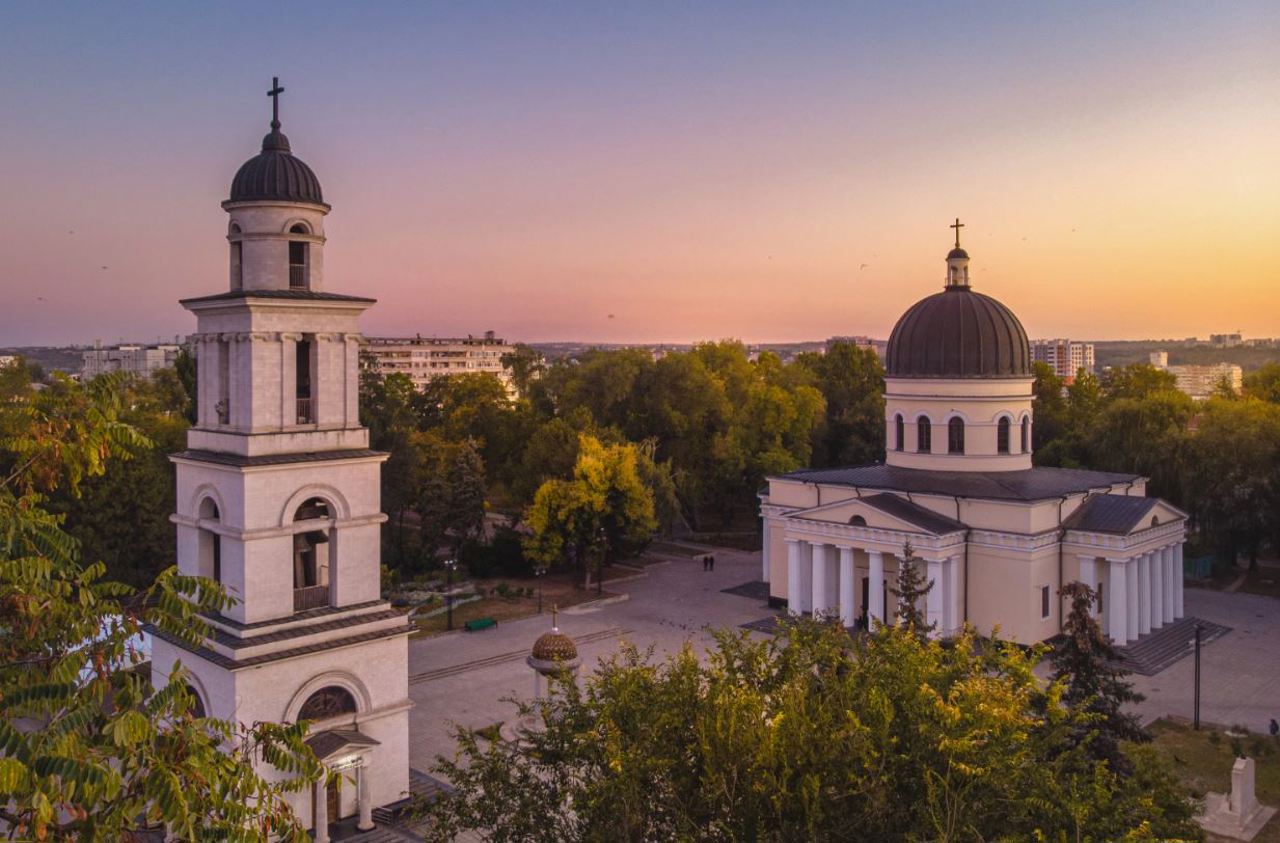
A town in the Republic of Moldova can be named the European Capital of Culture in 2033. Local public authorities interested in this title can submit their applications until October 4, 2026. After a national pre-selection process, one city will be chosen to represent Moldova in the European competition.
The title of European Capital of Culture has been awarded since 1985. This designation requires the selected city to develop and implement an extensive, Europe-focused cultural program that involves the local community over the course of a year.
According to Minister of Culture Dan Suruceanu, the competition is open to cities of all sizes, and a locality's population does not automatically disqualify it from consideration.
"This initiative from the European community is wonderful, and many believe that the evaluation criteria favor large cities with significant potential. However, I want to emphasize that everyone has a chance—absolutely everyone, from a small town to a capital like Chisinau," declared Minister Suruceanu during an interview on the show "Bună Dimineața" on Moldova 1, aired on September 10.
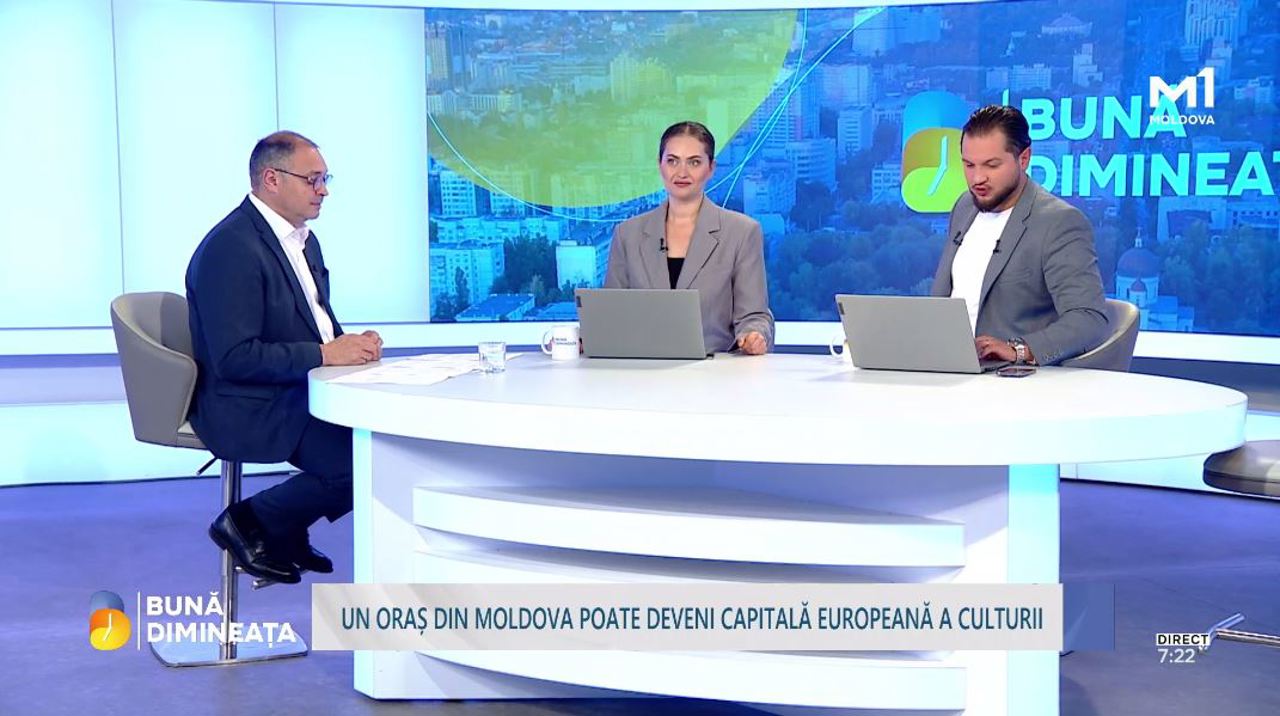
According to the minister, one of the most important conditions for candidacy is having a long-term vision for cultural development. The application should not be limited to organizing events for a single year; it must also demonstrate how culture can contribute to the sustainable transformation of the city.
The submission must outline a cultural strategy, demonstrate a clear European dimension, and include a relevant artistic program. The candidate city must also prove its capacity to implement the proposed projects, actively involve residents, and maintain an efficient management mechanism supported by sustainable financial backing.
The minister emphasized, “We must present artistic and cultural content and demonstrate our capacity for implementation. You can create grandiose plans, but if you cannot realize them, they are of no use. It is crucial to show how we engage the general public in these activities, as our actions are, first and foremost, for them.”
In this process, the availability of cultural infrastructure, local community involvement, and the city’s capability to accommodate visitors while hosting a large number of events are also important factors.
Experiences from previous titleholders indicate that success is not limited to large urban centers. The minister cited Oulu in Finland and Trenčín in Slovakia, which will hold the title in 2026, as examples. Oulu has approximately 200,000 residents, while Trenčín has around 50,000. In 2027, the title will go to Évora in Portugal, which has a population of approximately 40,000.
National stage
The selection process will occur in several stages. In the first phase, local public authorities will submit their applications at the national level, where a nine-member commission will evaluate them.
The commission will consist of representatives from the Ministry of Culture, civil society, and an international expert with extensive experience in evaluating such candidacies.
Minister Suruceanu noted that the Republic of Moldova could also benefit from the expertise of a representative from Romania who was directly involved in Timisoara's bid to become the European Capital of Culture in 2023.
Once this stage is complete, the city that will represent the Republic of Moldova in the European competition will be chosen.
The minister emphasized that the commission's transparency and professionalism are crucial for the credibility of the process and encouraged both local authorities and civil society to actively participate.
"I urge everyone to get involved. It is easy to sit back and criticize after the fact, but it is far more constructive to participate directly, starting today at 1:00 p.m.," Dan Suruceanu stated.
He also mentioned that project details and evaluation results will be made public. Community involvement is vital not only for selecting the winner but also for enhancing the quality of the projects being presented.
Major benefits for cities
Receiving the title of European Capital of Culture can bring significant advantages that extend beyond the cultural realm. This status can enhance a city's visibility on a European level, attract tourists and investments, stimulate infrastructure development, and create new opportunities for the creative sector and the business environment.
For the Republic of Moldova, participation is also essential for the European integration process.
According to the minister, a country's standing in the pre-accession process could, in the future, unlock new opportunities to access European funds, while both central and local authorities would be responsible for financing the planned activities.
The minister clarified that the European Capital of Culture title does not guarantee that European funds will cover all expenses. The candidate city must present a sustainable financial plan during the competition phase.
Another significant advantage of this title is its potential to drive tourism development. A city designated as the European Capital of Culture should be prepared for an increased influx of visitors, which will directly benefit industries such as hospitality, public catering, transportation, and related services.
Dan Suruceanu believes that even participating in the competition can benefit localities, regardless of whether they win the final title.
"Absolutely. There are cultural, social, and economic benefits. In various ways, we have the opportunity to grow in all dimensions. Culture is interconnected," stated the minister.
The official emphasized that this competition can highlight valuable initiatives that are not well known at the national level, serving as a significant showcase for the participating cities.