Suicide in Moldova: Causes and warning signs
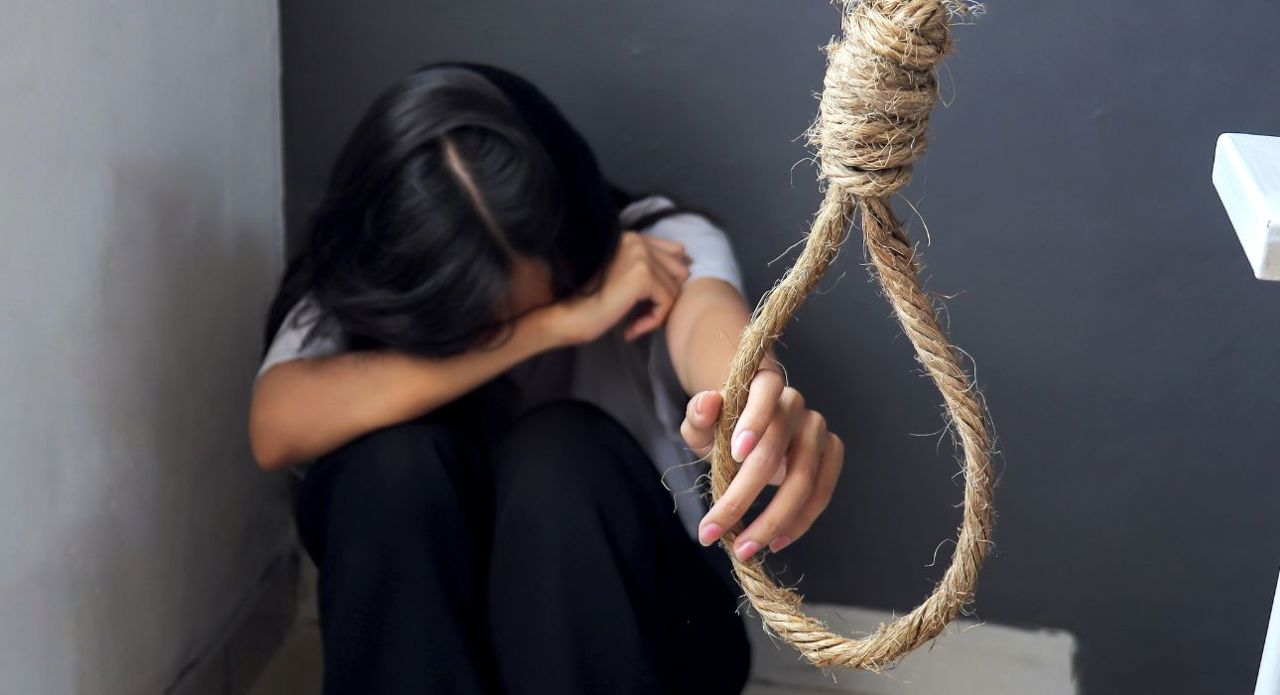
In the Republic of Moldova, the suicide rate is higher in rural areas compared to urban areas, significantly impacting young people, for whom suicide is one of the leading causes of death. Experts indicate that this tragic act often stems from deep and enduring suffering, which can be exacerbated by isolation, socioeconomic challenges, depression, and alcohol consumption.
"In general, suicide is both a public health issue and a mental health concern. When we evaluate the factors that contribute to suicide, we uncover a wide and complex range of influences. It is not merely a simple choice made by an individual; rather, it stems from deep, long-term suffering and emotions that they cannot share with those around them. As a result, they often experience these feelings in solitude," explained psychologist Victoria Gonța on the show "Buna Dimineata" on Moldova 1.
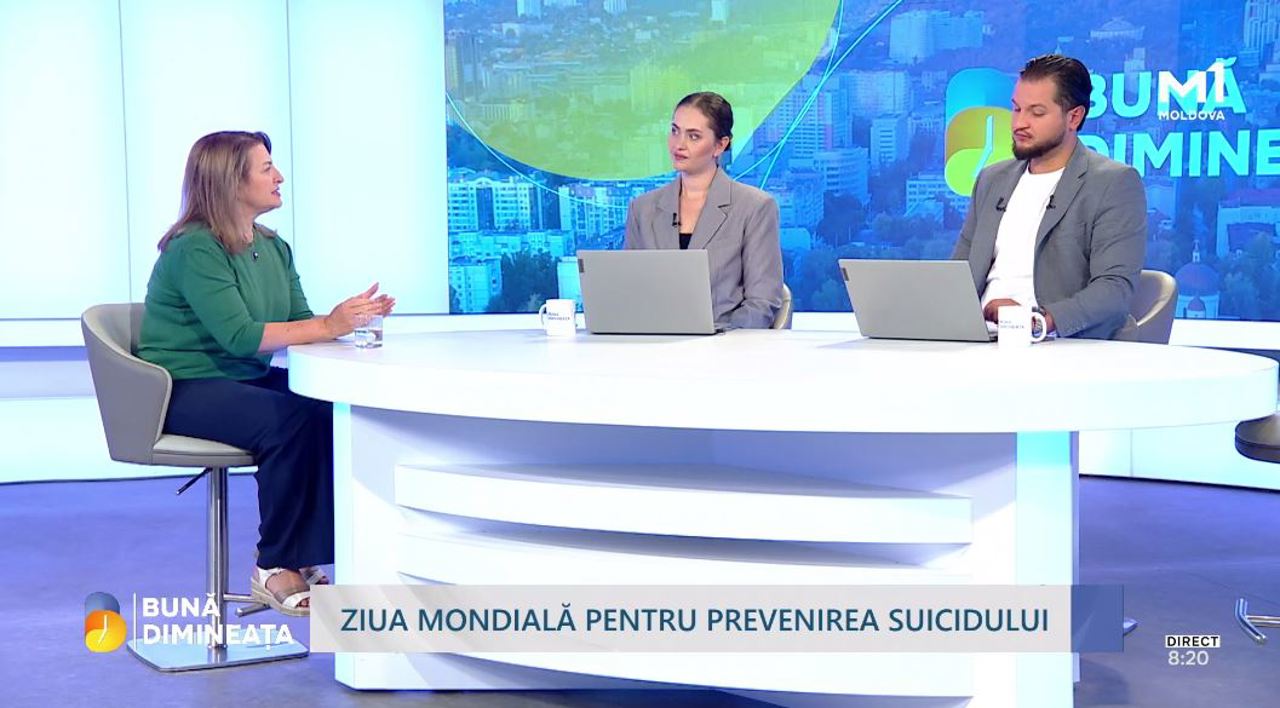
According to specialists, the suicide rate is higher in rural areas than in urban areas. This phenomenon is complex and cannot be attributed to a single cause. Factors such as social isolation, economic difficulties, limited access to specialized services, and a lack of adequate support contribute to the vulnerability of people in crisis.
Another important aspect is the difference between genders. In the Republic of Moldova, men die by suicide approximately five times more often than women. Conversely, women are more likely to attempt suicide, which may be related to the methods they choose and their associated lethality.
Psychologists note that men are less likely to seek help, often due to cultural norms that pressure them to handle problems independently and conceal their vulnerabilities.
Among young people, suicide is the third leading cause of death, according to data from the World Health Organization. In adolescence, vulnerability is heightened due to impulsivity and a lack of experience in managing crises. Situations such as rejection, abandonment, conflicts with friends, academic struggles, or emotional issues can be perceived as hopeless, leading to impulsive decisions.
As one psychologist stated, “Young people often feel that there are no solutions to the problems they face during adolescence. This can lead to the tragic decision to end their lives. Impulsivity, typical of this age group, can result in unthoughtful and casual choices.”
In young adults, risk factors may include unemployment, financial difficulties, professional and personal pressures, and the feeling of not meeting their own or their family's expectations. A significant warning sign is social withdrawal, which involves avoiding friends and family, giving up usual activities, and increasing isolation.
Other concerning signals that require attention include depressive symptoms, major changes in behavior, and problematic alcohol use. However, the specialist emphasizes that experiencing a period of sadness or melancholy does not automatically indicate suicidal thoughts, and it is crucial to analyze these signs collectively.
Role of family, friends, and specialists in preventing tragedy
There is a common myth that asking someone directly about suicidal thoughts could push them to consider suicide. Victoria Gonța emphasizes that this belief is false. In reality, having an open discussion allows individuals to express the suffering they are experiencing.
In these situations, it is crucial to listen without judgment, avoid minimising the person's pain, and refrain from insisting that they have "no reason" to feel this way. Validating their emotions and staying by their side during the crisis is an essential first step toward providing help.
While support from family and friends is invaluable, it cannot replace professional intervention in high-risk situations. For complex cases, specialists recommend an integrated approach that involves collaboration between a psychologist and a psychiatrist.
The psychologist addresses the factors that contribute to suicidal thoughts, helping the individual understand and manage their emotions while developing strategies to cope with crises. Meanwhile, the psychiatrist assesses the clinical condition and may prescribe and monitor medication if necessary.
Victoria Gonța stated, "The best solution for people with suicidal thoughts is collaboration between the psychiatrist and the psychologist, as each specialist has an important role in the intervention."
The first step is to recognize behavioral changes and not to let the person endure their suffering alone. Listen to them, show you care, and encourage them to seek professional help.
If you suspect the person may harm themselves or is in immediate danger, treat the situation as an emergency and seek professional help immediately.
Asking for help should never be a source of shame. Family, friends, colleagues, and specialists can play a vital role in preventing a tragedy, especially when warning signs are recognised in time, as psychologist Victoria Gonța concluded.
In the Republic of Moldova, there were 265 registered cases of suicide last year, with 216 involving men and 49 involving women. The Ministry of Health also reported seven cases among children and adolescents under 17.
According to the World Health Organization (WHO), over 720,000 people die by suicide each year worldwide, making it the third leading cause of death among individuals aged 15 to 29. Approximately 73% of these deaths occur in low- and middle-income countries.
World Suicide Prevention Day is observed annually on September 10.