UTM is launching a new space mission with a Romanian university, from nanosatellites to AI
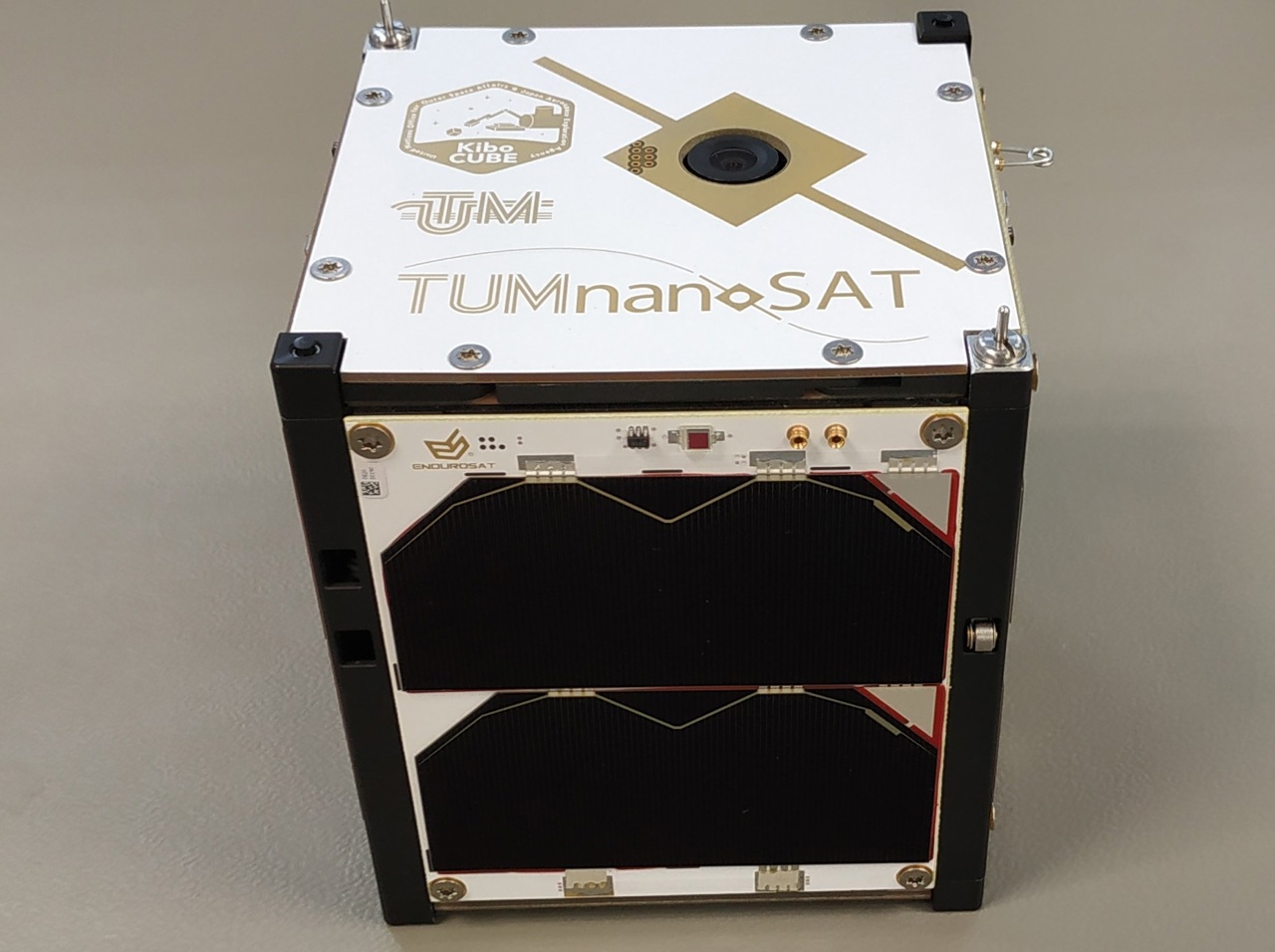
The Republic of Moldova achieved a historic milestone by launching TUMnanoSAT, the country's first satellite, into orbit. Researchers at the Technical University of Moldova (UTM) developed this nanosatellite. It was launched on August 12, 2022, and remained in orbit for nearly six months, until January 31, 2023. This successful mission showcased the technical capabilities of the team based in Chisinau. Following this achievement, UTM researchers are already working on a new space mission, with a launch planned for next year.
The satellite launch was not a spontaneous event; rather, it was the culmination of a long-term process developed at UTM’s National Center for Space Technologies.
This project relied on infrastructure built gradually and a team assembled over the years, from 2008 until the international competition was won in 2019.
Vladimir Melnic, Deputy Director of UTM’s National Center for Space Technologies, explained in an interview with Teleradio-Moldova, “The initial idea behind establishing the Center for Space Technologies at UTM was to build and launch a satellite. However, nothing was ready at the beginning. This satellite development was a crucial stage in our overall progress. You can’t simply say you started today and completed it 15 years later; the entire endeavor required careful planning, infrastructure, and a team that evolved from 2008 to 2019.”
Bureaucratic challenges and international collaborations
For a country without a history in space exploration, sending an object into orbit involves extremely complex procedures. The Republic of Moldova had not signed the post-1991 international treaties on outer space, which meant it initially lacked the official right to launch objects into orbit under its own flag.
The solution came through participation in educational and scientific programs organized by the UN Office for Outer Space Affairs (UNOOSA).
"We cannot launch a satellite into space on our own. It involves immense bureaucracy and high costs. That is why we participated in projects organized by the United Nations. By winning this competition, we secured a legal exception that allowed us to proceed with the launch," explained Vladimir Melnic.
After an initial attempt in 2017, the Technical University of Moldova (UTM) succeeded on its second try in 2019, receiving support from the Japan Aerospace Exploration Agency (JAXA).
The CubeSat-class satellite, weighing about 1.15 kg, underwent rigorous safety checks by JAXA and NASA before launching from the International Space Station using the KiboCube module.
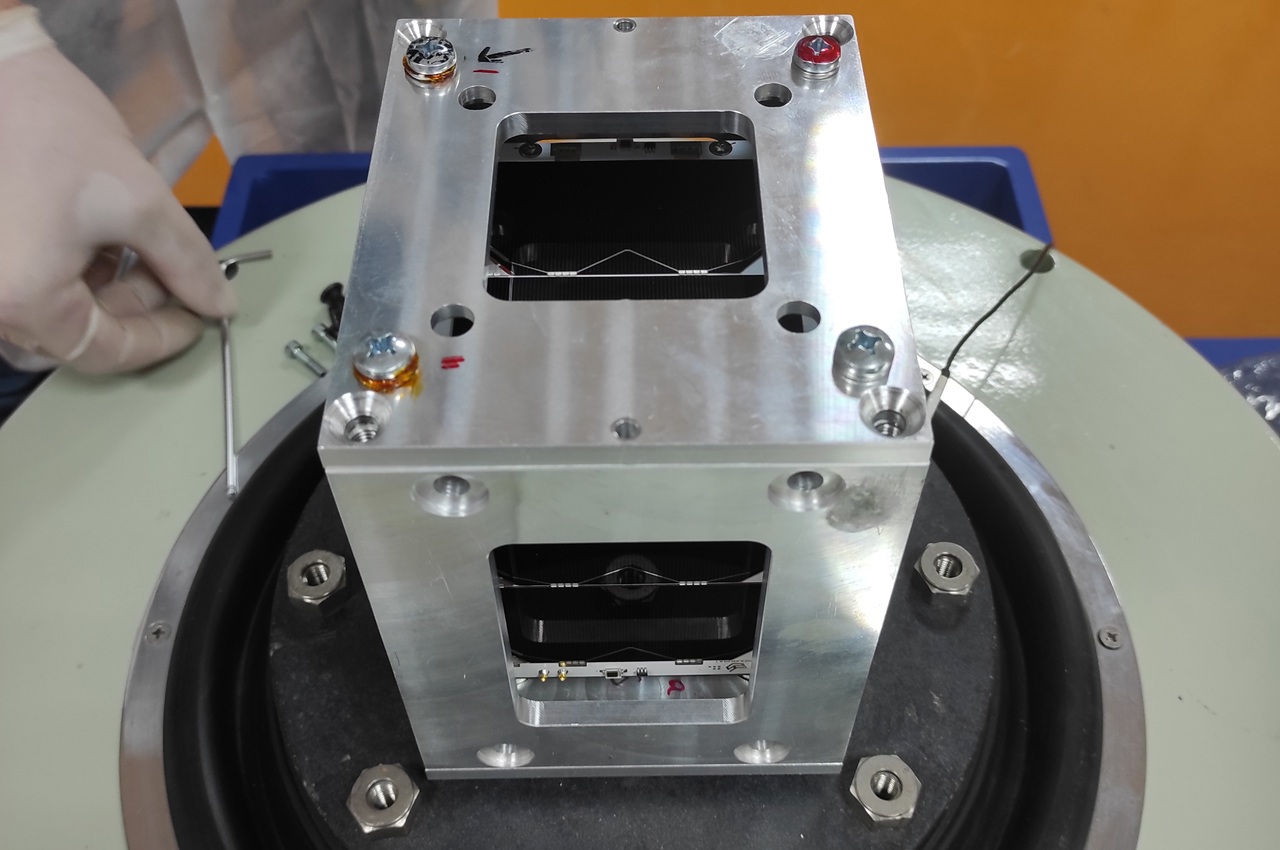
"Two JAXA supervisors assisted us at every stage, guiding us through the necessary bureaucratic and technical processes and helping us pass rigorous tests. The technical documentation was reviewed directly by JAXA and then by NASA to secure launch approval," stated Vladimir Melnic.
The team behind Moldova's first satellite
Prominent academics and a dedicated team of engineers conducted the satellite's research and design under this guidance. Academician Ion Bostan founded the laboratory, while Rector Viorel Bostan led the project.
The technical team included engineers Valentin Ilco, Alexei Martîniuc, Vladimir Vărzaru, and Marin Guțu. Additionally, researchers Nicolae Magariu and Oleg Lupan developed the nanosensors integrated into the research mission.
Technical results and in-orbit operation
TUMnanoSAT—a cube-shaped nanosatellite measuring 10 centimeters on each side—houses power systems, communication equipment, and an onboard computer within its compact structure.
The mission aimed to train young specialists in space operations and to validate the functionality of all subsystems under actual flight conditions.
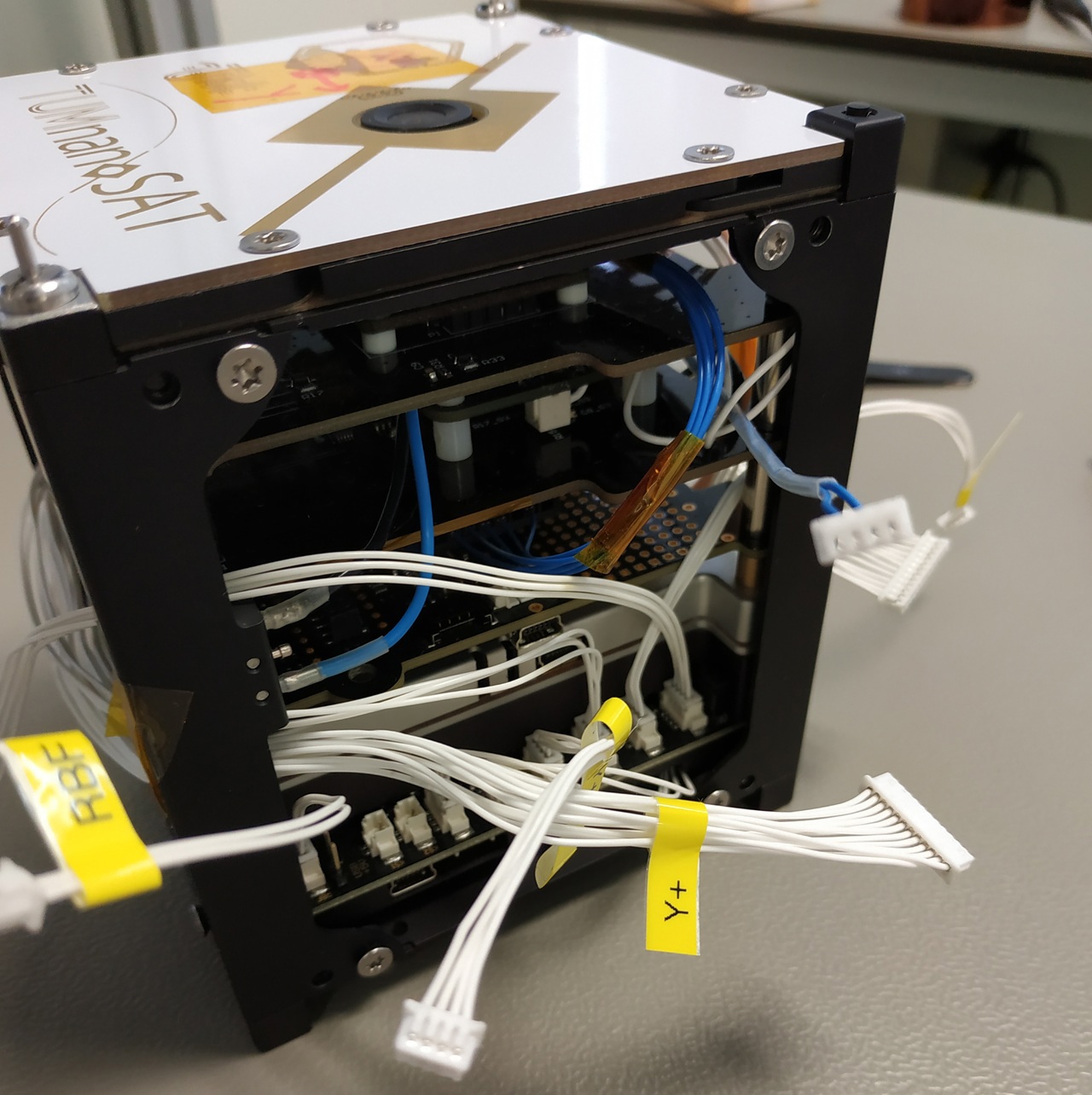
"We received and decoded data regarding the status of the onboard computer. We confirmed that the radio communication system is operational and that the antenna deployment mechanisms are functioning properly. Initial data indicated that the satellite has powered up, the antennas have deployed, the onboard computer is operational, and the power system is generating energy," noted Vladimir Melnic.
The nanosatellite's signal was successfully received not only by the ground station at UTM’s Râșcani campus but also by a global network of radio amateurs. Receiving temperature and power-consumption data confirmed the full success of the established technical objectives.
New space projects led by UTM
The experience gained from TUMnanoSAT is currently being applied to new international initiatives.
The UTM team is involved in the ReCube program, which was launched by UNOOSA in partnership with the Kyushu Institute of Technology in Japan. This initiative aims to develop a 3U-class satellite and includes a collaborative research project with Transilvania University of Brașov.
“A 3U-class satellite is being developed under this program. We have one unit of this assembly. Our focus is on designing the mission, not the satellite's core architecture; we are only delivering the payload,” explained Vladimir Melnic.
The flight model has already been sent to the Kyushu Institute for testing, with the launch scheduled for next year.
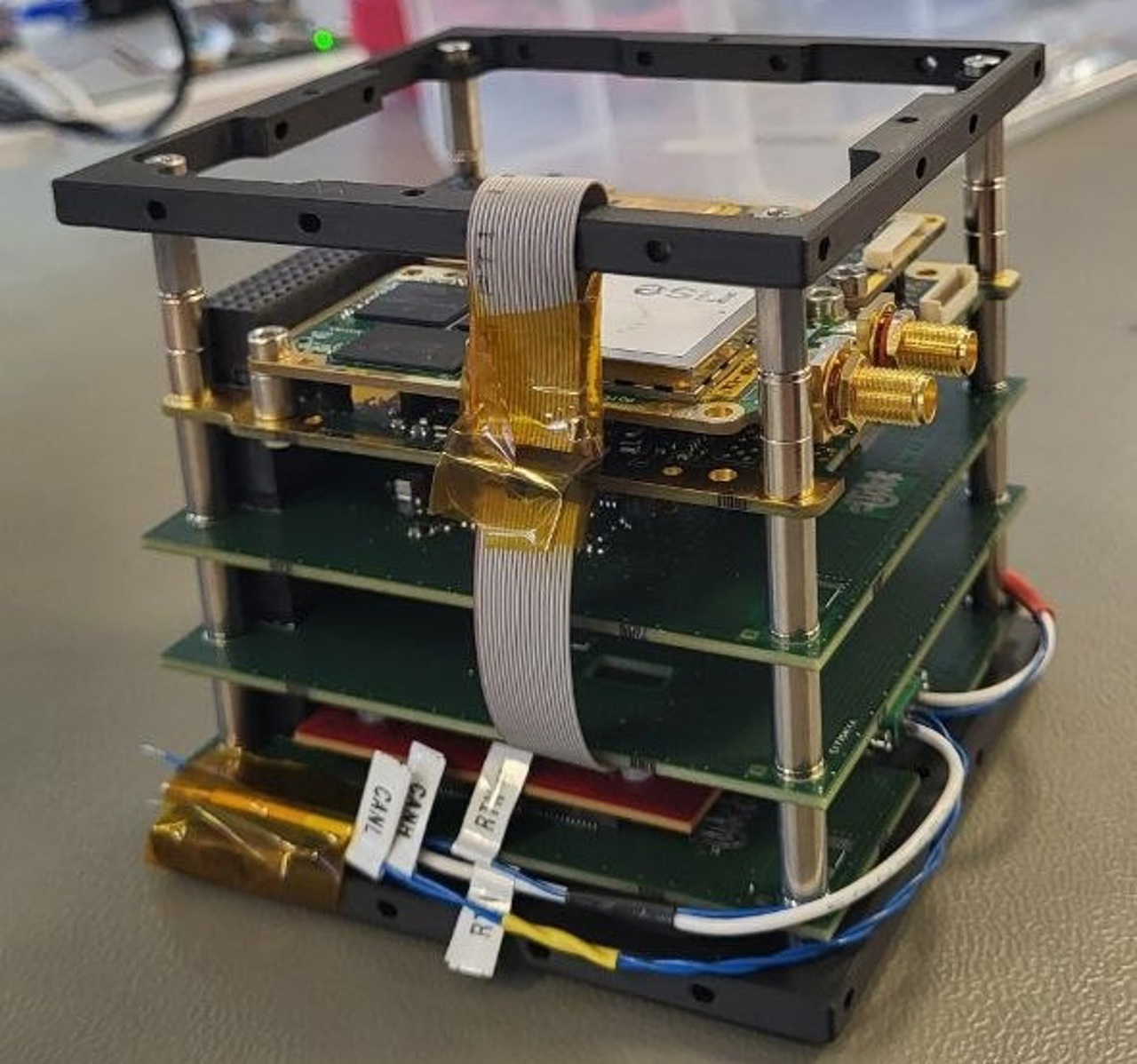
In parallel, the Technical University of Moldova (UTM), in collaboration with Transilvania University of Brașov, is developing the J-CUBE project. This initiative aims to estimate orbital radiation using an artificial intelligence model and by analyzing changes in memory bit states.
Vladimir Melnic explained, "If we have memory units with specific bits set, and a radiation particle flips a bit from 0 to 1 or from 1 to 0, we can estimate the intensity and flux of the radiation based on these changes."
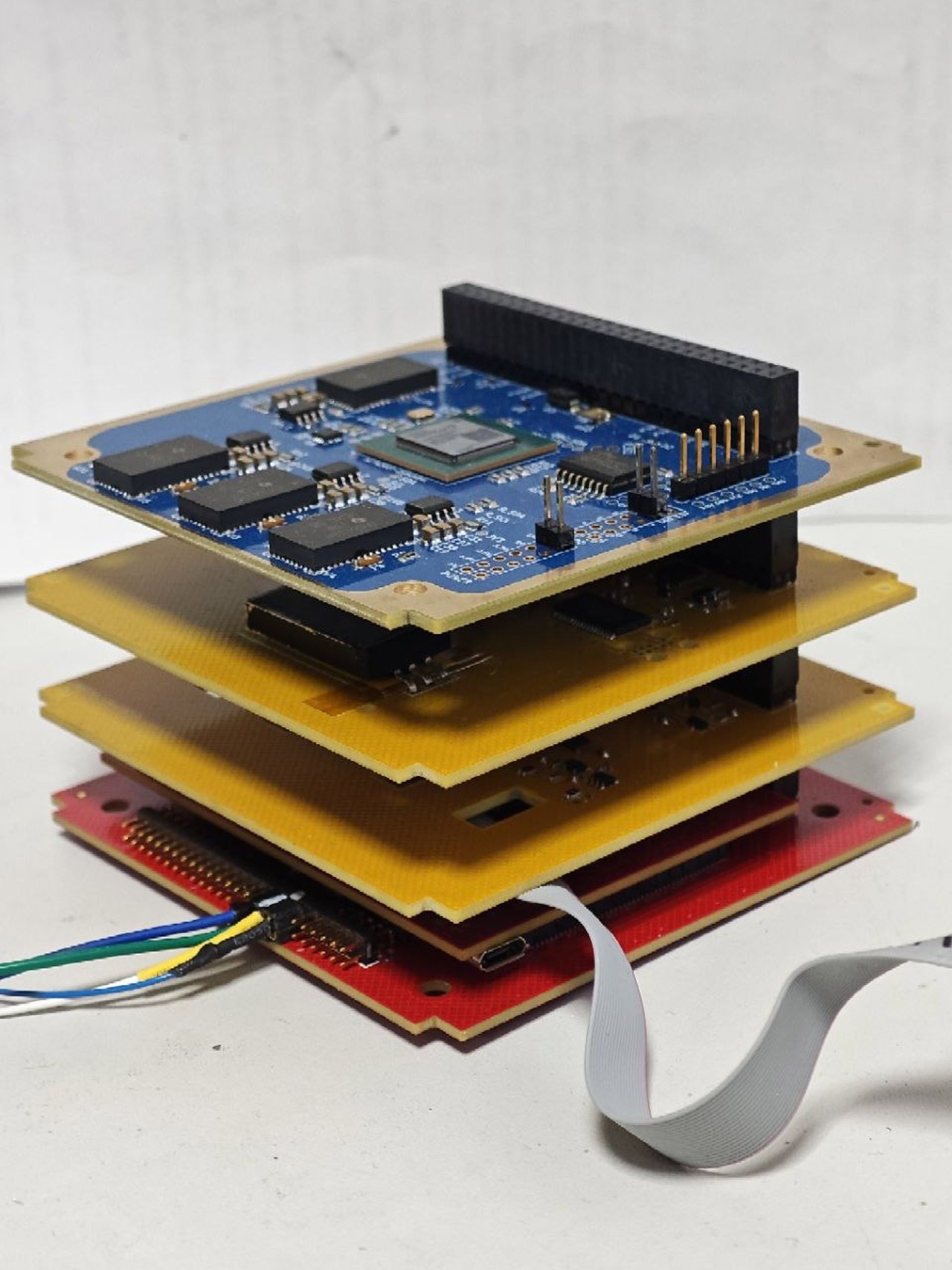
The project consists of four components: an AI-based module; a reference sensor for radiation measurement; a nanostructure module developed at the Center for Materials and Nanotechnologies; and a fourth module created by UTM—the onboard computer, which manages data distribution and communication with the satellite's main platform.
SpaceX's Falcon 9 delivered the TUMnanoSAT satellite to the International Space Station.
UTM covered the costs, having won the international KiboCUBE program.