Moldova marks 25th ethnic festival in celebration of unity
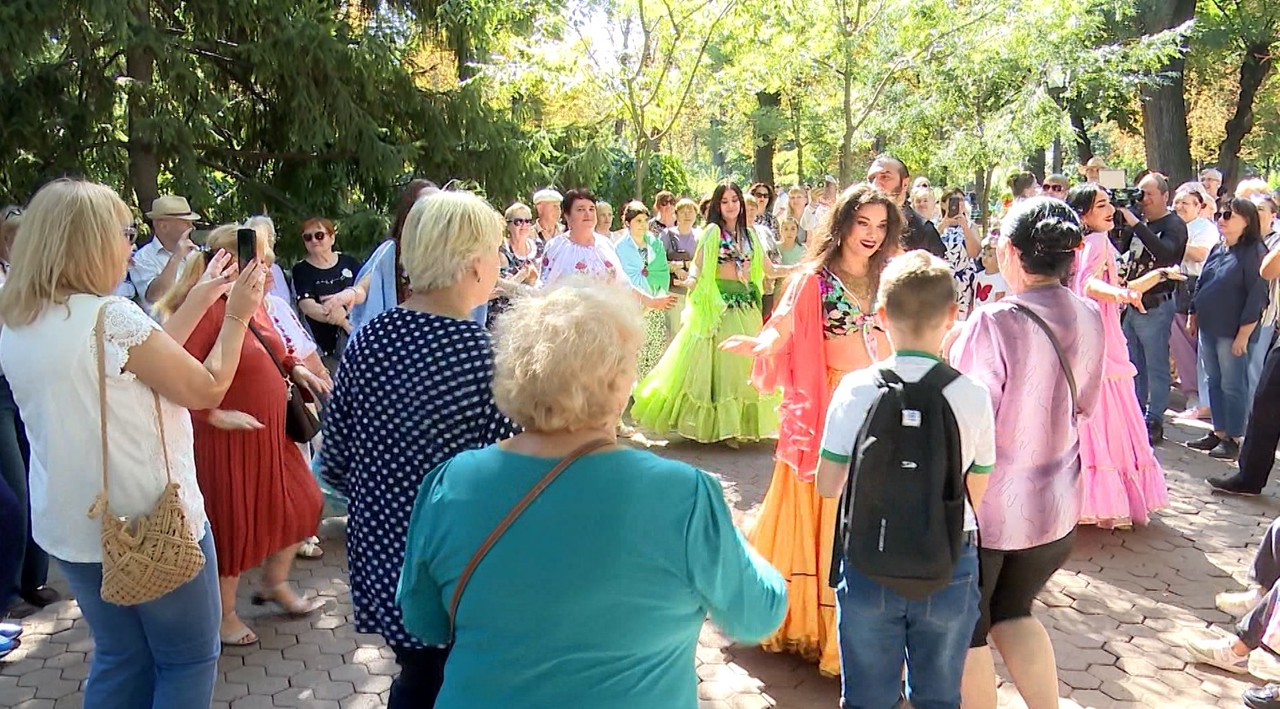
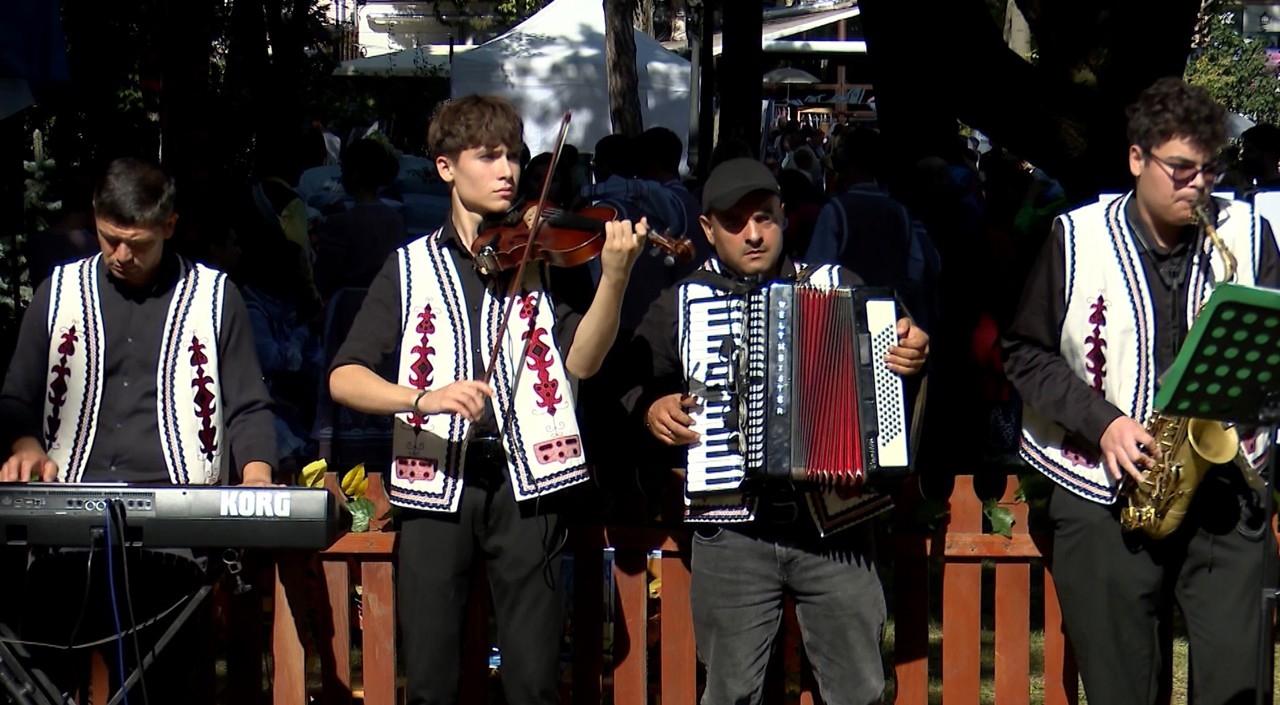
More than twenty ethnic communities showcased their heritage in central Chișinău on Sunday during the 25th edition of the Festival of Ethnicities, highlighting intercultural unity across the country.
The event, hosted in the “Ștefan cel Mare și Sfânt” Public Garden, drew participants from across Moldova who shared traditional folklore, period costumes, and ancestral culinary customs.
Centuries of living heritage
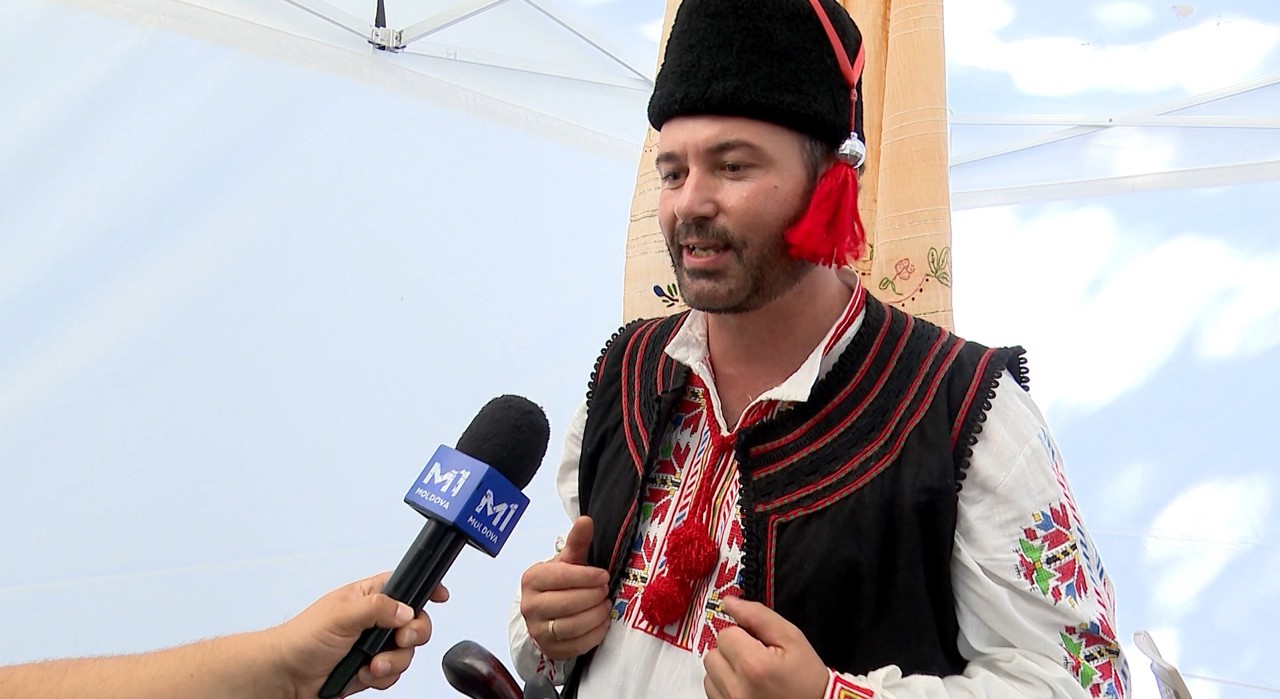
Exhibitors presented rare heirlooms alongside traditional music and dances. A Bulgarian exhibitor from southern Moldova presented a two-century-old costume and authentic historical artifacts.
“Just as Stephen the Great is revered in Moldova, Stefan Karadja is honored in Bulgaria as a freedom fighter who liberated the country from Ottoman rule,” said the participant. “We brought an original 200-year-old blade and an authentic Bulgarian pistol.”
Other participants highlighted their blended cross-cultural heritage through traditional attire.
“I have Afghan roots and wear a traditional costume topped with a pakol hat, combined with a European jacket to merge Asian and European traditions,” another participant said.
Culinary traditions and cultural diplomacy
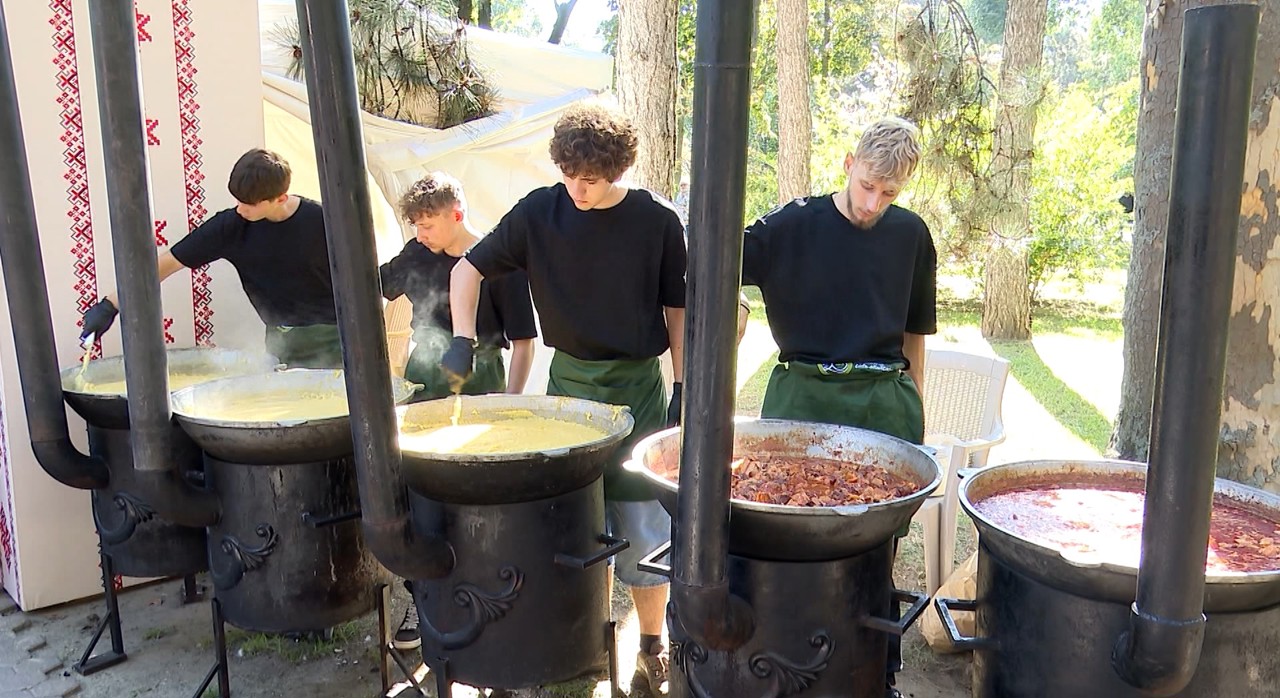
Visitors sampled diverse regional specialties, ranging from Armenian pastries and traditional spirits to Bulgarian banitsa.
“We brought our traditional banitsa, which resembles Moldovan plăcinte, alongside homemade Cabernet wine and grape brandy that both Bulgarians and Moldovans appreciate,” said a local vendor.
For members of the Jewish community, the celebration coincided with major autumn holidays.
“We dip apples in honey to usher in a sweet and prosperous year, which is why we omit salt from the table during this holiday period,” said Jewish Community representative Șabatai Hanucaev. “To celebrate life, we share quality kosher wine.”
National reach and local diversity
Organized jointly by the Chișinău City Hall and the Agency for Interethnic Relations, the festival will be followed by cultural exhibits and workshops throughout September across multiple districts.
“Look at how diverse we are here, with people gathered from Vulcănești, Larga, Naslavcea, Ștefan Vodă, Nisporeni, and Ungheni,” said Chișinău Mayor Ion Ceban. “We are home to dozens of ethnic groups living closely together with a rich culture.”
Lawmakers also pointed to the festival's institutional growth and its significance for civil society.
“This festival has reached a new milestone,” said ruling Party of Action and Solidarity (PAS) lawmaker Natalia Davidovici. “It began as a municipal holiday and has grown into a festival of national standing, drawing representatives from every corner of the country.”
Translation by Iurie Tataru
RELATED COVERAGE
- Moldova's capital hosts Festival of Ethnicities
- Unity in diversity: Moldova's intercultural gala
- Hanukkah light lit in Chișinău as the Jewish community celebrates
- Cultural heritage without borders: folk artisans meet in Iași
- Census 2024: Demographic and ethnic trends in Moldova