United Russia leads parliamentary race with 57% of vote
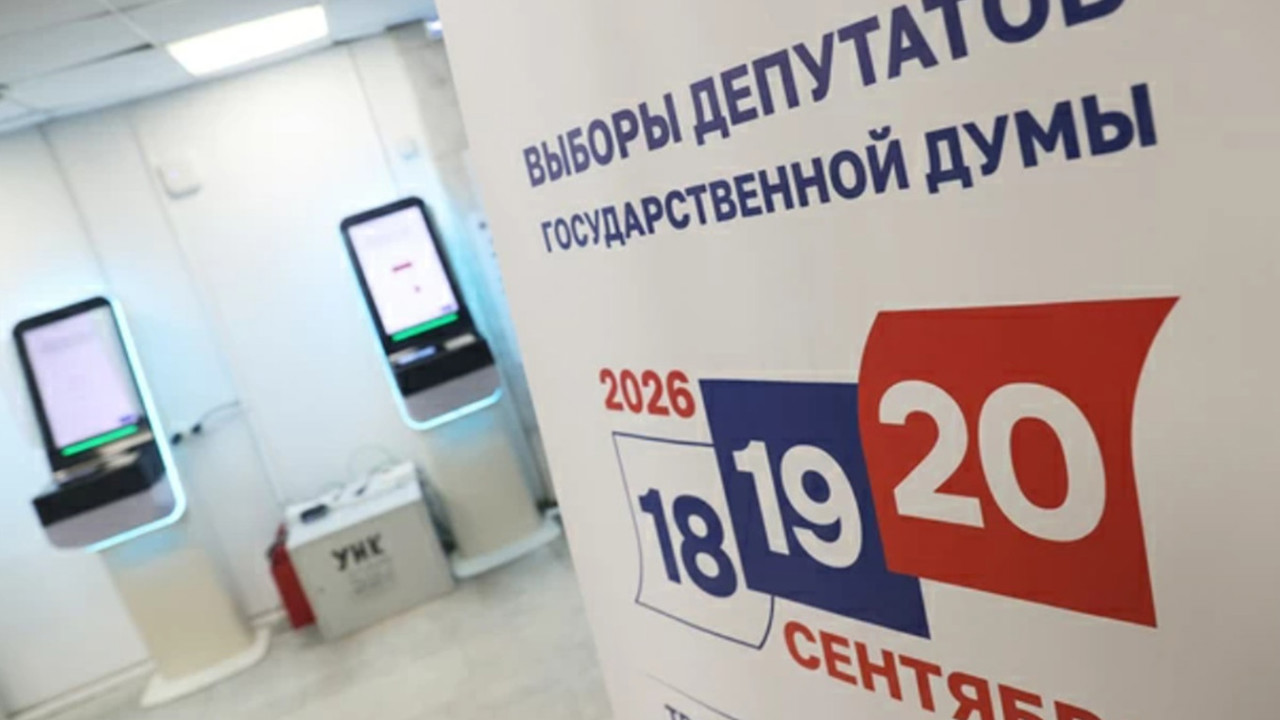
Russia’s ruling United Russia party secured an early lead in State Duma elections with 56.97% of the vote, positioning the Kremlin-backed bloc to preserve its constitutional supermajority amid surging turnout.
With nearly 33% of precinct tally sheets processed, the party expanded its margin significantly compared to the 2021 legislative race, independent outlet agents.media reported. The outcome aligns directly with President Vladimir Putin’s call to treat the election as an explicit domestic endorsement of Moscow’s military campaign in Ukraine.
The Communist Party (KPRF) ranked second with 13.95%, followed by the Liberal Democratic Party of Russia (LDPR) at 9.26%, New People at 8.06%, and A Just Russia – For Truth at 5.22%. Five years earlier, United Russia won 49.82%, meaning the party gained over seven percentage points, while the Communists saw their share decline by nearly five points.
Path to a constitutional supermajority
Preliminary returns indicate United Russia is set to command more than 300 seats in the 450-member chamber. Party candidates were leading in 181 single-mandate constituencies with a quarter of ballots counted, while the proportional party list secures an estimated 125 additional seats, according to Interfax calculations.
The party will also receive bonus seats through the redistribution of votes cast for contenders that failed to cross the 5% legal threshold. Prior to the vote, United Russia held 324 seats.
The early official tallies surpassed exit polls conducted by state-aligned pollsters. The Russian Public Opinion Research Center (VTsIOM) had projected United Russia at 49.4%, while the INSOMAR research institute estimated 52.8%. Both institutes previously cautioned that final results could rise because their surveys omitted annexed territories, border regions, remote northern areas, military personnel, and remote electronic voting.
Turnout reached 56.66% at the close of polling stations, up from 51.72% in 2021. Analysts noted that once late-arriving ballots are tabulated, overall turnout could exceed 60%, marking one of the highest levels in modern Duma elections.
Observer pressure and system failures
Independent electoral expert Stanislav Andreychuk described the campaign atmosphere as exceptionally stern.
“Instead of holidays, raffles, and pies, we saw discipline and order,” Andreychuk said. He observed that state-dependent voters were mobilized under pressure during the initial voting phase, whereas technical barriers emerged as protest voters appeared later in the weekend.
In Moscow, voters waited up to several hours for paper ballots following a breakdown of the electronic voter verification registry. Dmitry Reut, deputy chairman of the Moscow City Election Commission, blamed the disruption on external cyberattacks.
Independent monitor Roman Udot described the process as “a collapse of the electoral system,” pointing to unsealed ballot boxes, substituted seals, and irregular signatures across Siberia and the Far East. The Communist Party reported that at least 1,175 election observers were expelled from polling stations nationwide.
Legislative backing for the front line
In the run-up to the election, Putin urged citizens to cast their ballots as a direct signal of national unity behind the armed forces, stating that the vote must “demonstrate once again that millions of people stand behind our soldiers.”
United Russia federal list candidate and state television war correspondent Yevgeny Poddubny echoed that message on election night.
“The State Duma will be seriously strengthened by veterans from the front,” Poddubny said on the Rossiya 1 network.
Russia’s next federal election cycle will take place in March 2030.
Translation by Iurie Tataru
RELATED COVERAGE
- Russia holds parliamentary vote with no opposition on ballot
- Putin urges direct talks with Kyiv without outside mediation
- Russia moves to give Putin power to use troops against foreign courts
- Chisinau condemns Russian passport handouts in separatist region
- Russia dismisses Trump's "theatrical" sanctions ultimatum