The first Master of Sport in wrestling aims to preserve its history in a museum
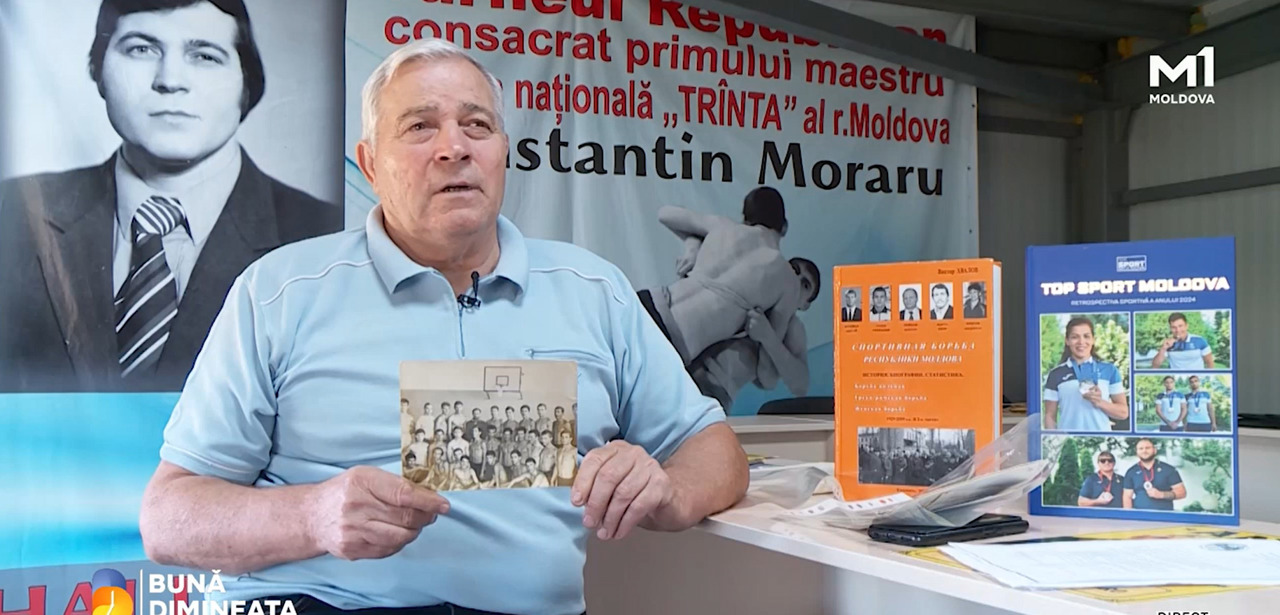
Constantin Moraru, the first Master of Sport in trântă (traditional wrestling) in the Moldovan SSR, dedicated his life to the sport and the promotion of this national wrestling style; he now aims to establish a museum dedicated to the discipline. Originally from the village of Nemțeni in the Hâncești district, the former athlete and coach says he possesses a significant collection of photographs and materials documenting the history of trântă and wants to share them with younger generations.
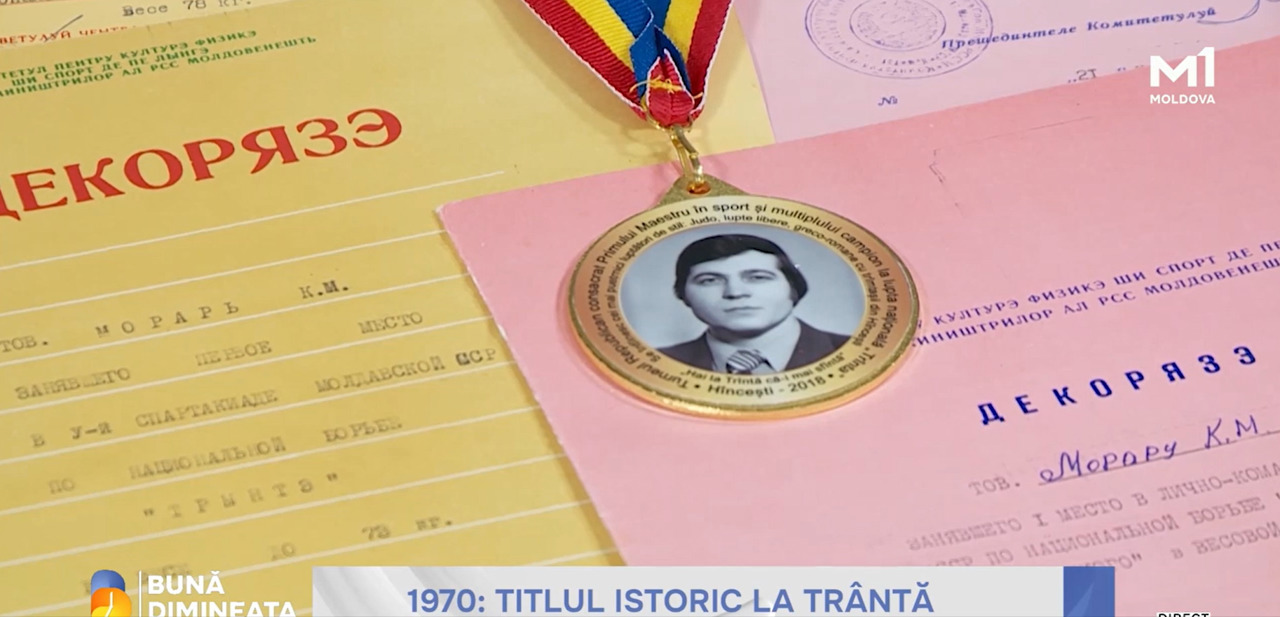
Constantin Moraru spent his childhood in a large family in the village of Nemțeni. He completed eight years of schooling in his home village, after which, in 1963, he enrolled at the Hâncești College of Mechanization, where he would discover a passion for sports.
"When I arrived here, I saw so many children—young people aged 14 or 15—playing sports in the building where we studied: the Manuc Bey building, which houses the museum today," recalls Constantin Moraru.
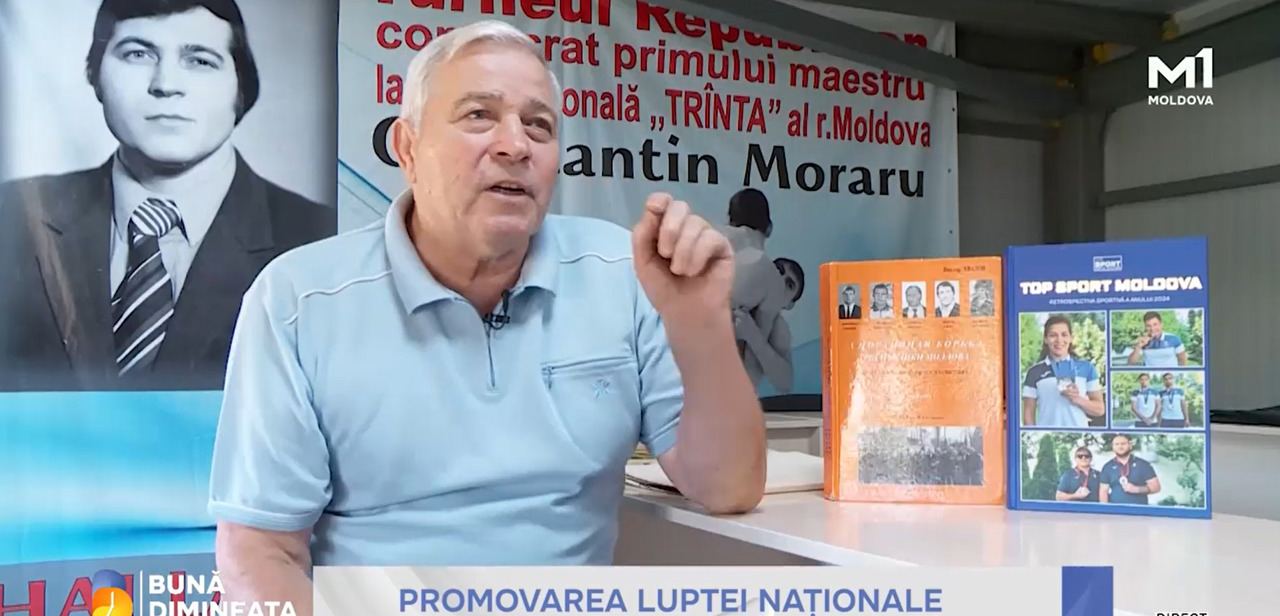
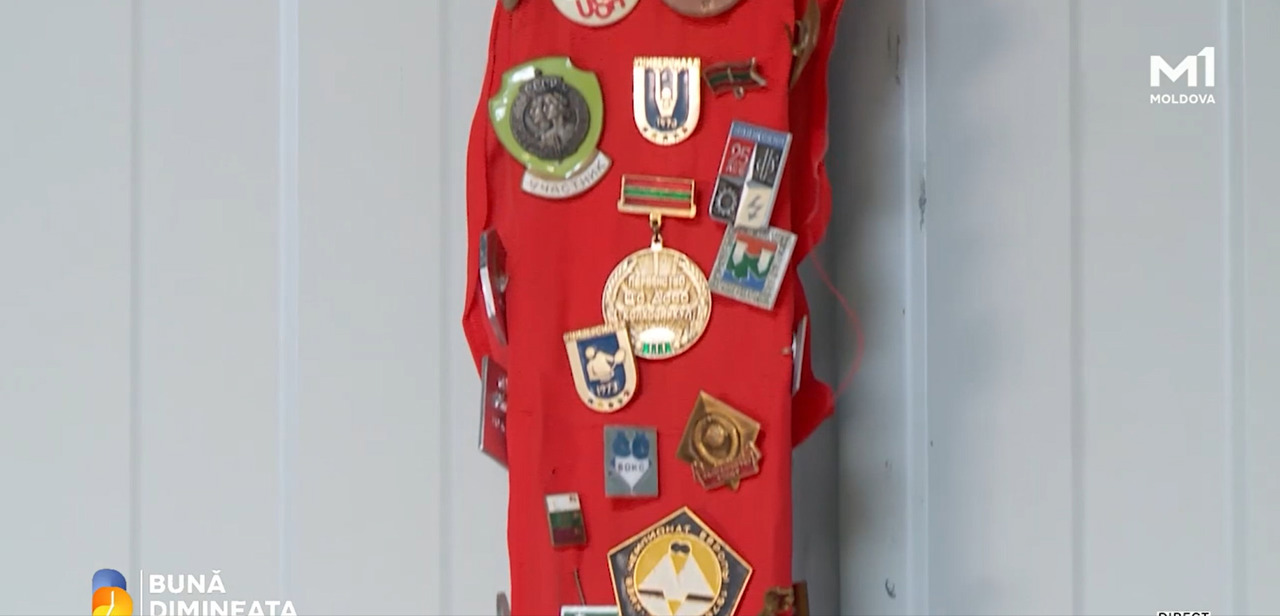
Although he trained professionally as an engineer, sport remained a constant in his life. Years of training, discipline, and competition earned him the title of the first Master of Sport in wrestling in the Moldovan SSR in 1970. Later, Moraru also worked as a coach, helping to train numerous athletes.
"I cannot give up my love for sport, for children, and for achieving results. I am proud to have students who became Masters of Sport during that time. Even today, they thank me," the master states.
For Constantin Moraru, trânta is not merely a sport, but a part of the national heritage. He believes schools should teach and promote the history of this wrestling style so younger generations can learn its origins and the people who shaped it.
"In every school, people should know what our national wrestling style represents—where it comes from and who promoted it. It is not about me; it is a matter of national heritage," said Constantin Moraru.
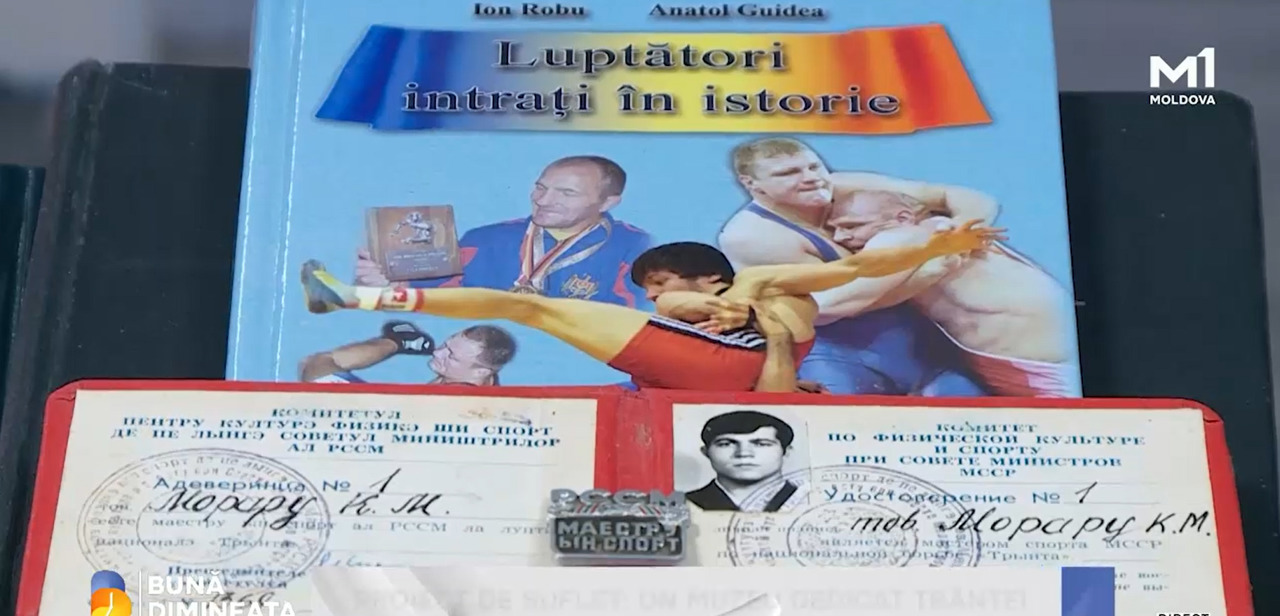
He last competed as a wrestler in the championship held in 1983 in Hâncești. He was 35 years old at the time and, alongside his own training, coached the teams. The experience he has gained over the decades now leads him to consider preserving the sport's history.
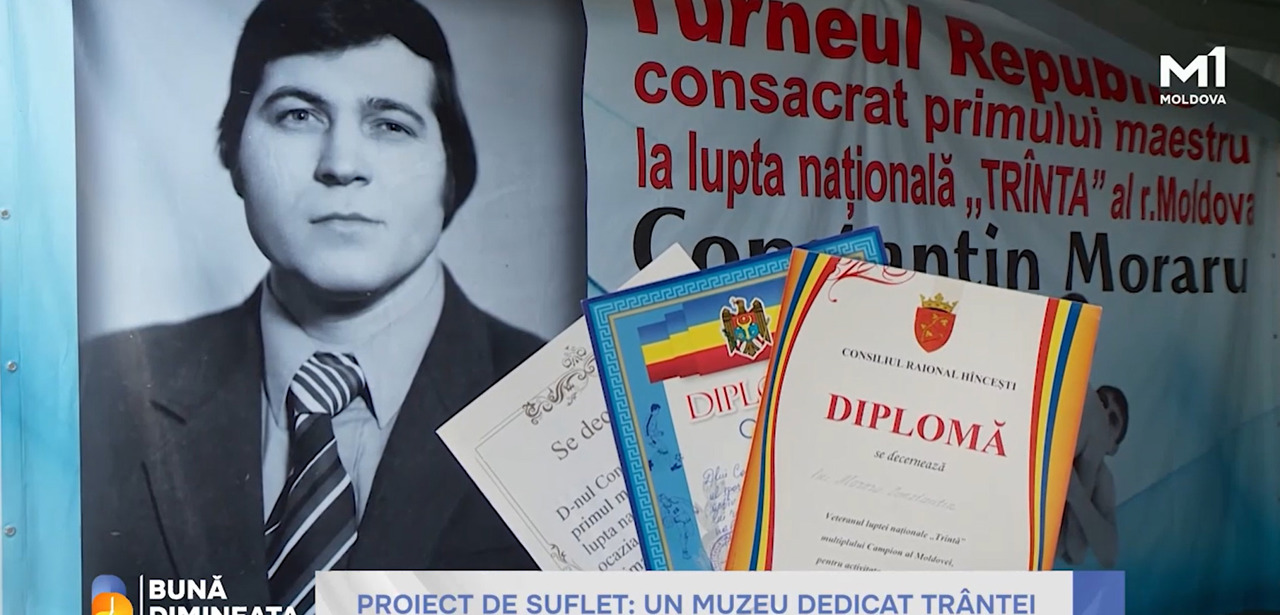
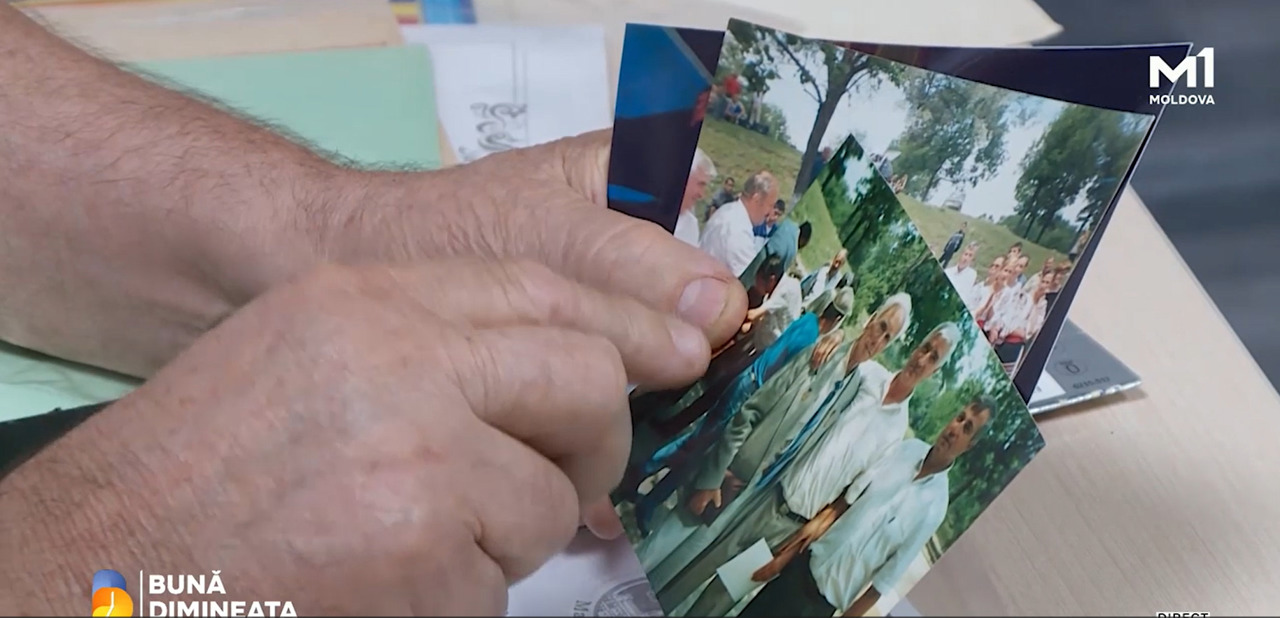
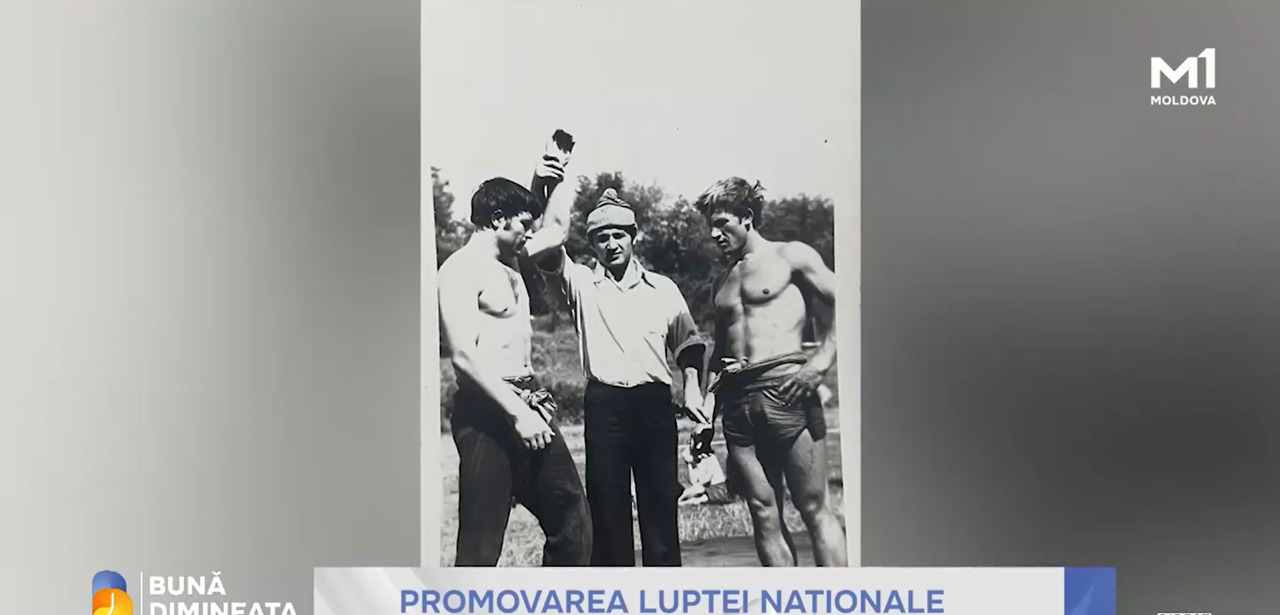
Constantin Moraru states that he has between 80 and 90 percent of the materials he considers important for documenting the history of the national trântă team. These include photographs from the early days of the sport's development in the Republic of Moldova, as well as images of its first coach.
"I show who laid the foundations of this sport—who those people and key figures were. I have photographs from the very beginning, featuring the first coach, who was Belarusian. These photos also capture the initial results," says the master.
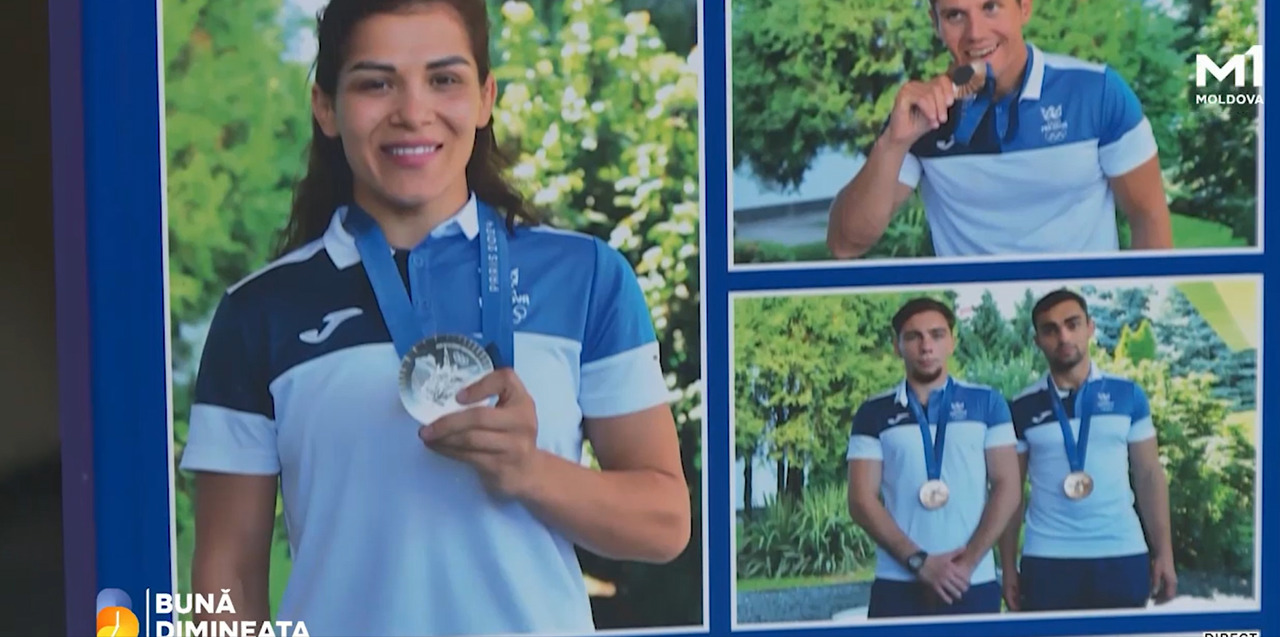
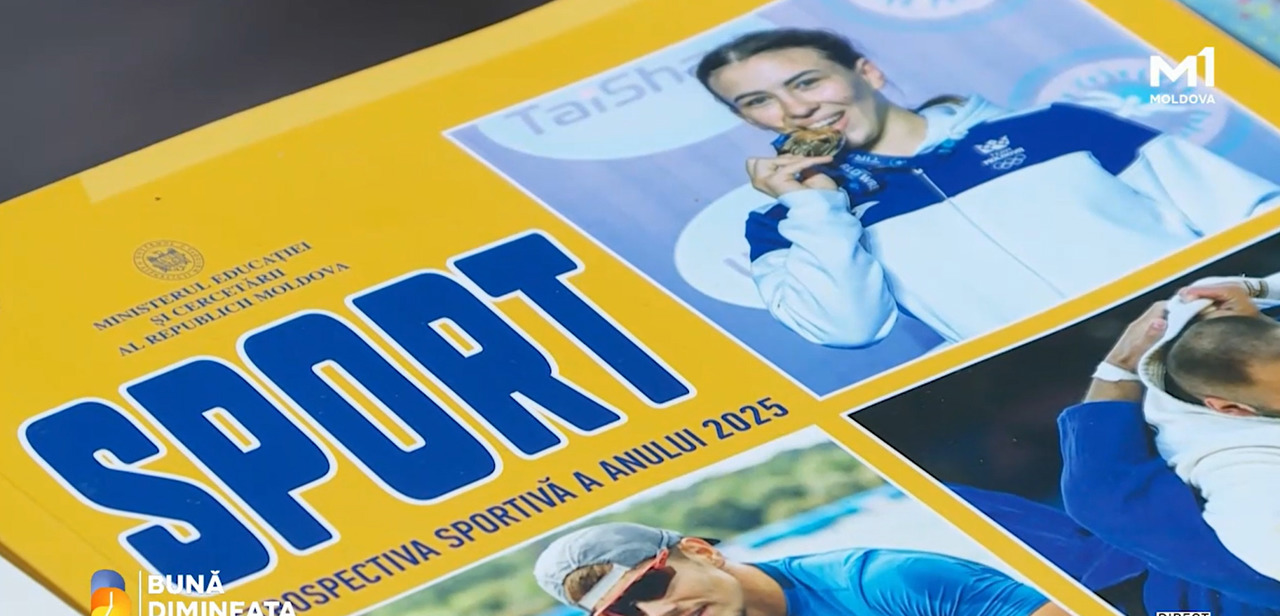
He says that such a museum could help preserve the memory of the athletes and coaches who laid the foundations of trântă (wrestling) in the Republic of Moldova, while also educating new generations.
"If we want to develop this national sport of ours, all children need to know... there are generations who know nothing about what is actually going on," states Constantin Moraru.
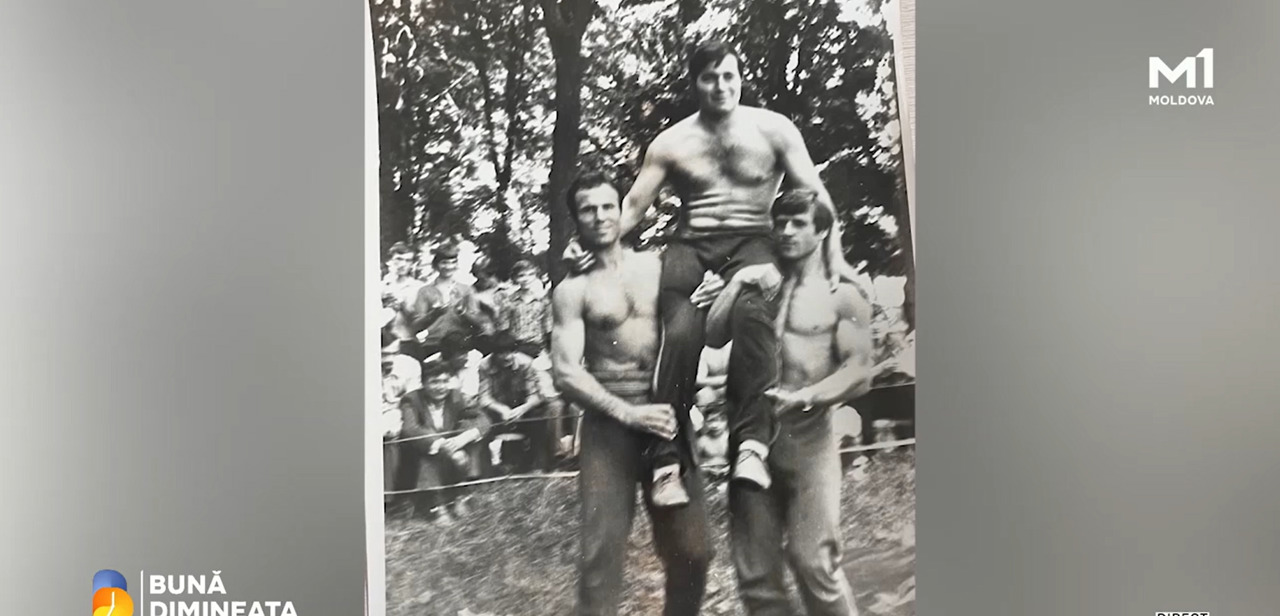
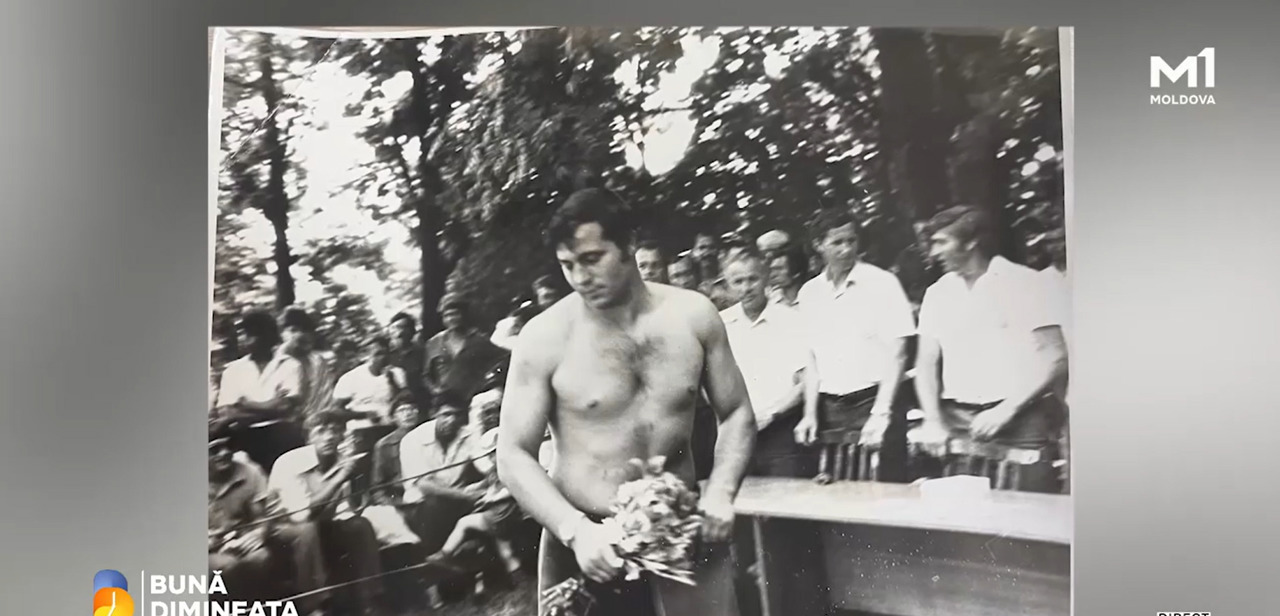
For the former athlete, wrestling—and sport in general—has remained central to his life. He says the results he has achieved over the years are largely due to athletic discipline and the values it instils.
"Sport means health. (...) My achievements in life are thanks to sport. You must show character, you must have ambition, and you must fight and win," is Constantin Moraru's message to the younger generation.