Future European budget implications for Moldova: Fund allocation and Eastern Flank priorities
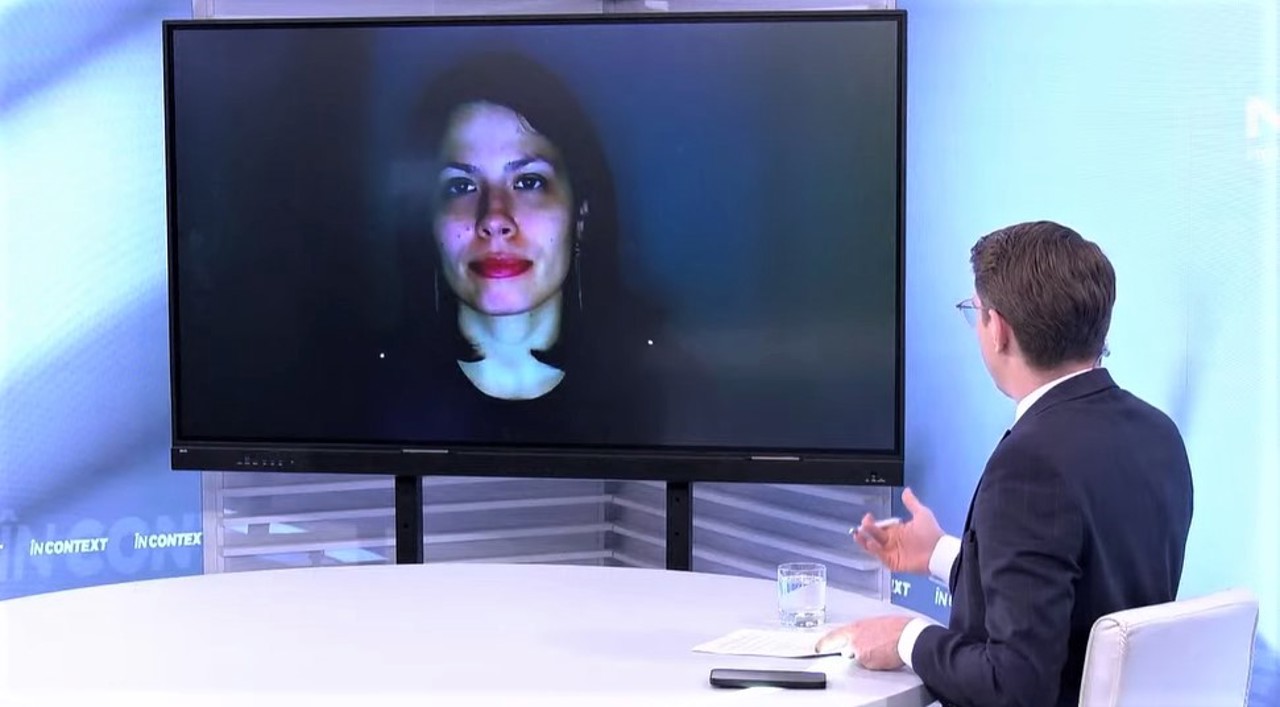
Negotiations over the European Union's future Multiannual Financial Framework (MFF) for 2028–2034 promise to be extremely difficult. Member states will have to strike a delicate balance between funding cohesion policy and new priorities related to defence, warns expert from Brussels Tana Foarfă.
Member states hold differing views on the future of the Multiannual Financial Framework (MFF), with one of the main points of contention centering on both the volume of resources available after 2027 and each state's contribution to the EU budget.
The Irish Presidency is preparing a revised document. The bloc needs to fund defense, competitiveness, and new technologies while maintaining support for agriculture and cohesion policy.
Furthermore, the bloc must repay the debt incurred for post-pandemic recovery. The European Commission had put forward a €2 trillion proposal, but the budget will also require the European Parliament's approval.
"There is a camp of member states that wish to continue benefiting fully from these funds. And there are a number of states that are net beneficiaries—meaning they contributed far less to the budget than they received in return. However, there are other member states, such as Germany (...), that believe a somewhat more pragmatic approach is needed," stated Tana Foarfă, Director of the Europuls Romania Center, on the Moldova 1 program "În Context."
The clash between contributing and beneficiary states
According to the expert, the challenge facing European Council President António Costa is to find a compromise amidst a complex international landscape. Foarfă argues that, beyond the political calculations and alliances that will emerge during negotiations, negotiators must take into account the scale of Germany's contribution. "Germany, as a state, contributes a substantial amount to the EU budget. Clearly, from this perspective, for states like Romania—as well as other member states—to benefit from this budget, countries like Germany must continue their contributions to the European budget. Therefore, their voice is crucial. On the other hand, the discussion surrounding new European budget resources may well involve political nuances," explained the head of the Europuls Romania Center.
Defense Competing with Traditional Priorities
One of the most significant shifts in the architecture of the future European budget is the increased emphasis on security and defense-related priorities.
These sit alongside traditional areas—such as cohesion policy and agriculture—as well as investments in infrastructure and competitiveness.
According to Tana Foarfă, the size of the future budget must be viewed in light of the growing number of objectives the EU needs to fund.
"We are talking about the funds required for reforms and investments in the respective member states. This includes the areas we have long been familiar with—the Cohesion Fund, agricultural policy, and so on. But there is also a component focused on a 'Global Europe': strengthening defense capabilities and values, and effectively countering warfare in both its physical and hybrid dimensions. These are distinct elements, which is why the total budget amount is crucial to ensuring there are sufficient funds to cover all these priorities," the expert stated.
A two-trillion-euro budget spanning six years
The European Commission has proposed a two-trillion-euro budget covering a seven-year period. In addition to traditional policies, this sum must cover new requirements related to defense, competitiveness, technology, climate action, and support for candidate countries. The scale of current crises fully justifies such a significant financial magnitude, Foarfă maintains: "It is a huge sum, yet a necessary one, given all the challenges we face."
"We must invest in addressing the climate issues confronting us—ranging from droughts and floods to wildfires. Dealing with these matters—specifically, building resilience in this regard—requires substantial funding. And that is without even factoring in everything else, such as physical and digital infrastructure. So, while the figure may seem absolutely enormous, we are talking about a six-year timeframe and a budget covering 27 member states, as well as candidate countries that naturally need to develop throughout their accession journey," argued the director of Europuls Romania.
Republic of Moldova interested in the future EU budget
For countries benefiting from European funds, maintaining substantial contributions is directly linked to the capacity to finance EU programs.
In the context of the pre-accession process and the strengthening of regional resilience, the Republic of Moldova is directly affected by the EU's new financial architecture.
"It is clear that the Republic of Moldova also has a direct interest in the European-level discussions regarding the future budget, because it is not just about the total amount, but also about how the money is spent. We therefore need to see what the spending priorities will be: whether we can strengthen the Eastern Flank and focus on infrastructure and critical elements in this regard—areas that are, of course, of direct interest to us," concluded Tana Foarfă, speaking on Moldova 1.
EU disbursements under the Growth Plan for the Republic of Moldova
The Growth Plan for the Republic of Moldova, adopted by the European Commission in October 2024, has a total value of €1.9 billion for the 2025–2027 period and is structured around two components: the Reform Agenda—comprising 56 reforms and 153 actions—and a list of investment projects.
The package includes €1.5 billion in concessional loans (with a 10-year grace period and a 40-year repayment period) and €520 million in grants; the latter increased by €100 million from the initial proposal following negotiations in the European Parliament.
Disbursements made to date total €477.9 million:
• €270 million—pre-financing, transferred in March 2025;
• €18.9 million—the first tranche, for the first half of 2025;
• €189 million—the second tranche, disbursed in 2026 for 24 of the 26 actions completed in the second half of 2025 (93%); of this amount, €173 million went directly to the state budget, while approximately €16 million supported projects through the Neighbourhood Investment Platform.