Moldova must overhaul urban mobility to curb car waste, expert says
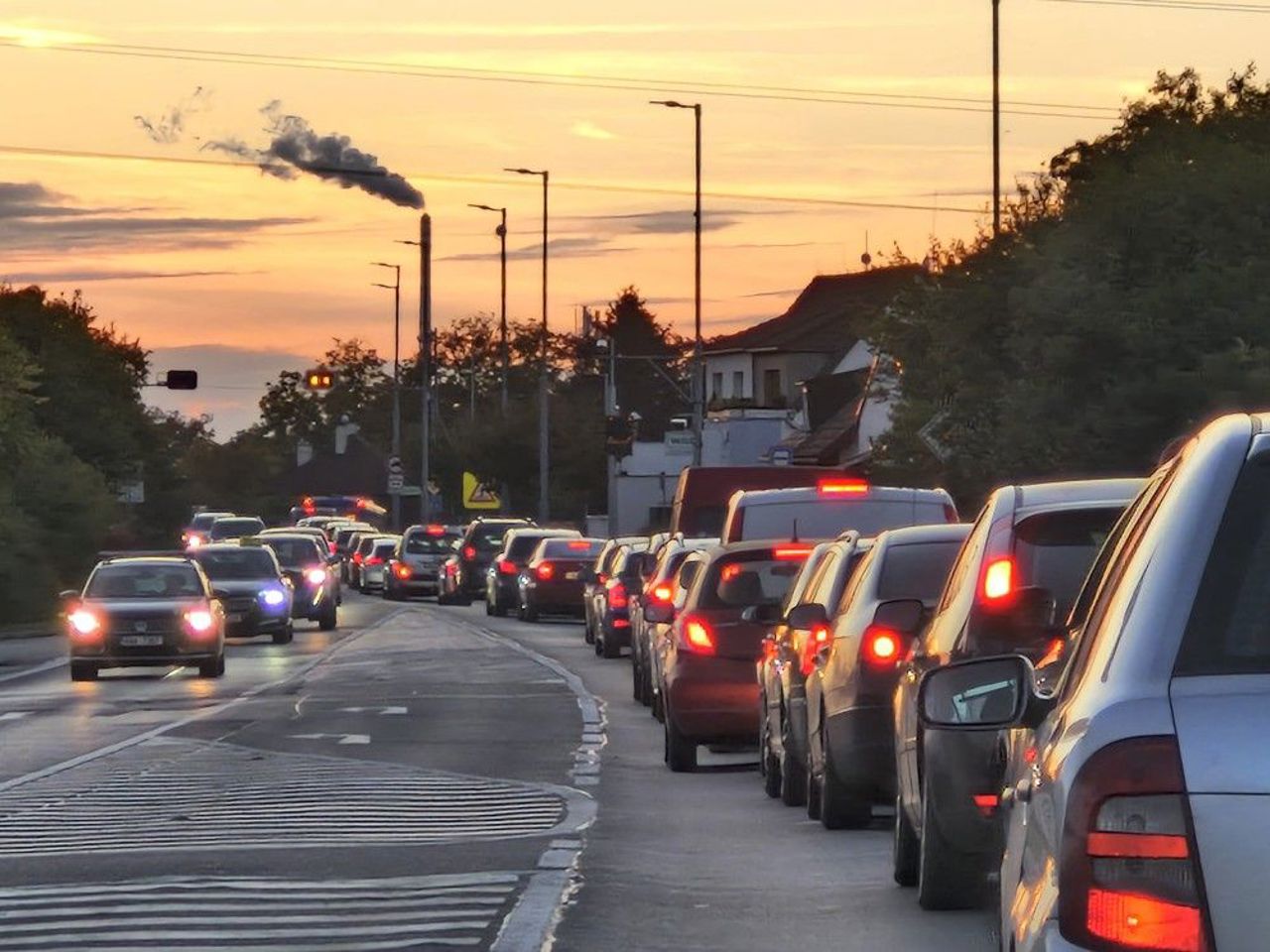
Mounting traffic congestion and systemic deficits in alternative transport are intensifying environmental and urban mobility strains across Moldova, environmental expert Ruslan Nercaș warned during an appearance on public broadcaster Moldova 1.
The environmental footprint of automobiles extends far beyond tailpipe emissions during transit, encompassing the entire vehicular life cycle from assembly through hazardous waste disposal.
“A vehicle is not solely a source of pollution while running; it generates environmental harm from conception through post-operational disposal,” said Nercaș.

Hazardous automotive waste and recycling hurdles
While metal chassis components can be recovered through conventional scrap processing, managing non-metallic hazardous automotive waste presents acute environmental risks. Spent filters, vehicle batteries, worn tires, and lubricant oils require dedicated collection mechanisms and certified recycling pipelines.
A primary hazard stems from the uncontrolled incineration of used engine oils, which disperses toxic airborne particulates when burned without industrial filtration.
“Automotive oil accumulates hazardous chemical elements, including heavy metals, over its operational life,” said Nercaș. “When burned uncontrollably without appropriate filtration equipment, these toxins are dispersed directly into the air people breathe.”
Infrastructure gaps stall transition to green transit
Worsening gridlock means private vehicles no longer guarantee rapid transit across Chișinău, yet shifting commuters to cycling remains unfeasible without safe infrastructure. Pavement hazards and aggressive driver behavior continue to deter potential cyclists.
“We currently lack adequate urban cycling infrastructure, an observation based on my own experience,” noted Nercaș, pointing to models in Italy where cycling provides an accessible, cost-effective transit solution.
Alleviating urban automobile dependency requires institutional intervention rather than individual burden-sharing, the expert emphasized. Authorities must deploy integrated urban mobility solutions, including affordable public transit, dedicated bicycle corridors, pedestrian zones, and strategic park-and-ride facilities.
Such peripheral intercept parking lots have succeeded abroad when paired with subsidized or zero-fare transit passes. While responsible driving choices can mitigate congestion, sustainable long-term progress depends on the state creating viable alternatives that make walking, cycling, and public transit practical daily choices.
Translation by Iurie Tataru
RELATED COVERAGE
- Safe bicycle trails would encourage over 96% of Chisinau residents to ride bikes
- The Republic of Moldova will install 18 automatic air quality monitoring stations
- Increased traffic at Chisinau exits: Police are directing vehicles
- Moldova expands waste management as producers face EPR integration
- Moldova unveils 2026 infrastructure roadmap: Bridges, rails, and "European courtyards"