Disused rooms become modern chess hub in Rezina with EU aid
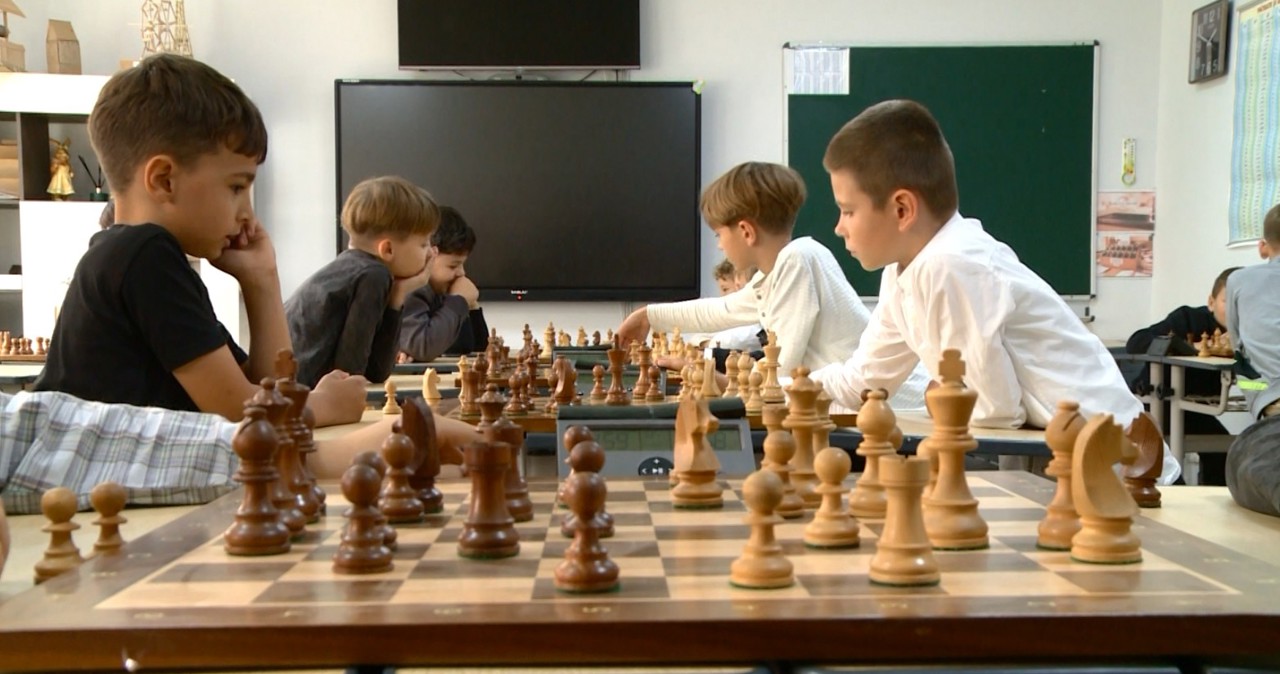
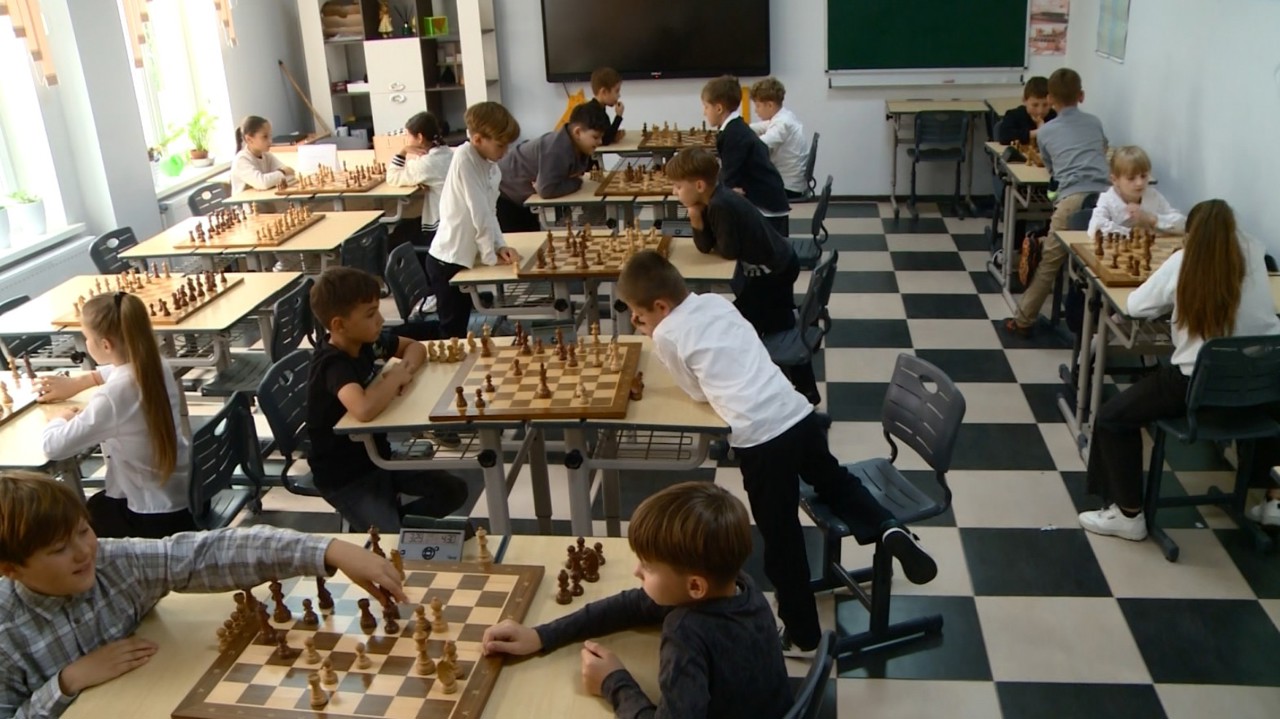
A high school in northeastern Moldova transformed two disused classrooms into a modern chess training hub backed by European Union financing, expanding extracurricular learning opportunities for approximately 100 students in Rezina.
The initiative at the “Alexandru cel Bun” High School completely refurbished the dilapidated premises, fitting them with purpose-built furniture, magnetic demo boards, professional pieces, and digital tournament clocks. The school’s chess club, which has operated continuously since 2018, now hosts structured 45-minute training sessions twice a week.
Tactical training and community engagement
Under the program, beginners master foundational strategy and opening theory, while more advanced pupils solve tactical puzzles and participate in competitive round-robin tournaments. School officials note that the analytical skills cultivated across the chessboard directly enhance academic focus in mathematics and daily problem-solving.
“The children are especially drawn to competition,” said Tatiana Todei, head of the school’s chess club. “We organise tournaments between classes, and the winners move on to compete against parallel grades. Students receive diplomas, and their enthusiasm is evident.”
Participating students echoed the practical value of the discipline. “For me, intellectual games have always been captivating, and I joined the school club in second grade,” one student noted. Another player highlighted the cognitive resilience learned at the board, adding: “It helps me navigate and solve very difficult situations in real life.”
EU investment transparency at the grassroots
The modernization was rolled out under the “Chess Without Borders” project, managed by the Moldovan Chess Federation and financed through an EU investment of approximately €110,000 (approx. 2.14 million MDL). The site is part of the “Where is the Money?” public accountability campaign, designed to show Moldovan citizens how European development assistance translates into tangible local improvements.
“We have the opportunity to speak directly with those who benefited from European investments,” said content creator Doina Danielean during a visit to the high school. “They show us where the funds went and share how community life improved.”
The local upgrade reflects a wider push to modernize Moldova’s educational infrastructure as the nation advances along its European path. In June 2026, the European Union concluded a €51.5 million financing agreement to upgrade and equip general education institutions nationwide.
Translation by Iurie Tataru
RELATED COVERAGE