IFAD backs €260,000 reservoir revamp in southern Moldova
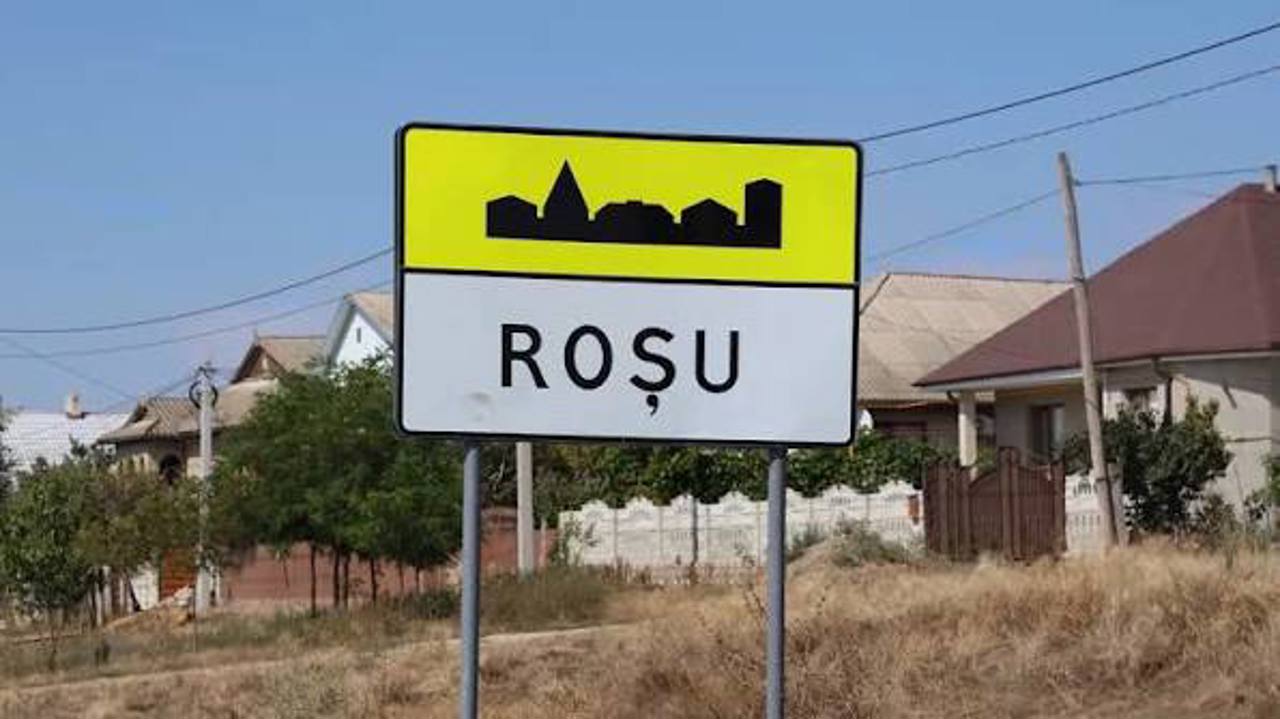
Farmers in southern Moldova will soon secure expanded irrigation for greenhouses and open crops as rehabilitation of a long-abandoned reservoir nears completion in Cahul district, local authorities reported.
The reservoir in the village of Roșu, originally built in the 1970s, had been out of service for nearly two years due to severe silt buildup. Excavation works began recently, with full completion scheduled for May next year.
International funding and progress
The local administration secured financial backing from the International Fund for Agricultural Development (IFAD). The overall project cost stands at approximately €260,000 (approx. 5.06 million MDL), including around 500,000 MDL allocated for technical documentation, Roșu Mayor Nicolae Savilencu said in an interview with Radio Moldova.
Contractors have already cleared roughly 80% of the reservoir basin, allowing long-clogged underground springs to resurface.
“We are also counting on rainfall, because natural springs alone may not suffice during extreme dry spells,” said Nicolae Savilencu. “Drought takes a severe toll, and many springs dry up. Nevertheless, once this project concludes, the basin will store essential irrigation reserves.”
Technical hurdles and flood management
Despite substantial progress on the reservoir bed, local engineers must still resolve how excess runoff will be managed during flood conditions. The original Soviet-era dam was decommissioned, fundamentally altering hydrological flows in the area.
“The contractor is currently sourcing 120-centimetre drainage pipes,” the mayor noted. “These specifications are scarce in Moldova, but we trust the engineering team will find a viable solution.”
The reclaimed water will primarily supply nearby commercial greenhouses and vegetable tunnels, while offering relief to adjacent farmland.
National irrigation deficit
Moldova currently irrigates between 30,000 and 40,000 hectares, representing roughly 1.6% of its total arable surface. The country's acute exposure to climate shocks has made modern water infrastructure an urgent economic priority.
“In the context of European integration, an agricultural sector without irrigation simply cannot remain competitive,” said economist Veaceslav Ioniță.
Current capital allocations for irrigation account for roughly 1.8% of national Gross Domestic Product (GDP). Under optimistic policy scenarios, industry analysts project that figure could rise to 2% in the coming years.
Translation by Iurie Tataru
RELATED COVERAGE
- IFAD irrigation helps Moldova farmers fight drought
- Agriculture in Moldova faces drought; expert calls for a change in farming approach
- Farmers in southern Moldova who lost crops to drought will receive government compensation
- Taraclia Reservoir shrinks by 30% as severe drought hits southern Moldova
- Returned migrants build sustainable cherry agribusiness in Moldova